
Seoul, Land of the Black Winter Coat – Part 2
When we last met on these pages, I was pondering the roots of the color choices people in Seoul, South Korea make about clothing.
Today I have answers, but hang on, because it’s not all black and white.
The palette in the following picture, if encountered by me at the paint counter in a hardware store, I would immediately describe as a fairly wide range of subtle neutral colors. I’ve studied the crayon box; I know the shades. These 33 colors comprise:
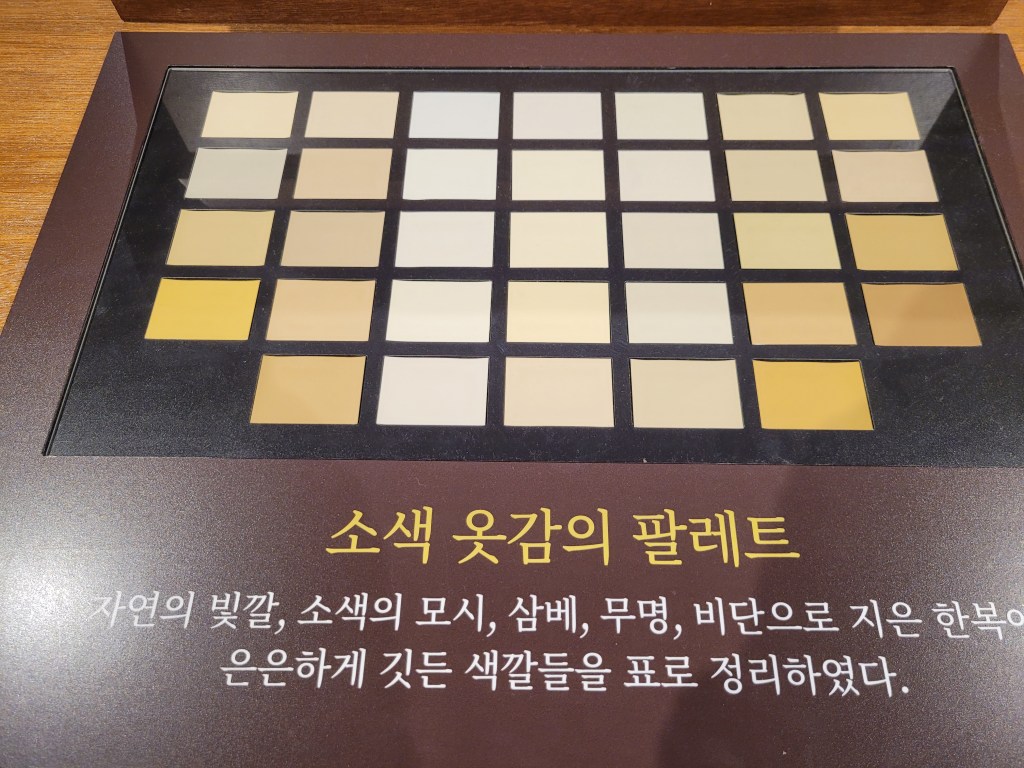
Ecru, Beige, Off-White, Tan, Cream, Fawn, Iced Lemon, Buttercup, Buttercup Honey, Mushroom Soup, Cream of Mushroom Soup, Lace, Ivory, Gold, Grey-White, Clover Honey, Wildflower Honey, Porcelain, Yellow-White, Light Rust, Sand, Sun, Marigold, Marigold Honey, Buff, Bisque, Biscuit, Saltine Cracker, Toast, and Snickerdoodle.
I may have left a few out (Lays Baked Chips, Ritz Original, Oyster Cracker, The Captain’s Wafers) but you get the general idea. We have a pretty specific name for each, because we see these as all different colors.
Or are they?
What if these are actually all one color — White.
This post presents a wholly different way of perceiving and talking about colors, based on a very enlightening exhibit I got to see here in Seoul last summer. It was called “Shades of Nature: The Variety of White,” and it presented a history of white and black and color in general in Korean culture. (Unattributed quotations below are from the informative texts provided in this exhibit.)
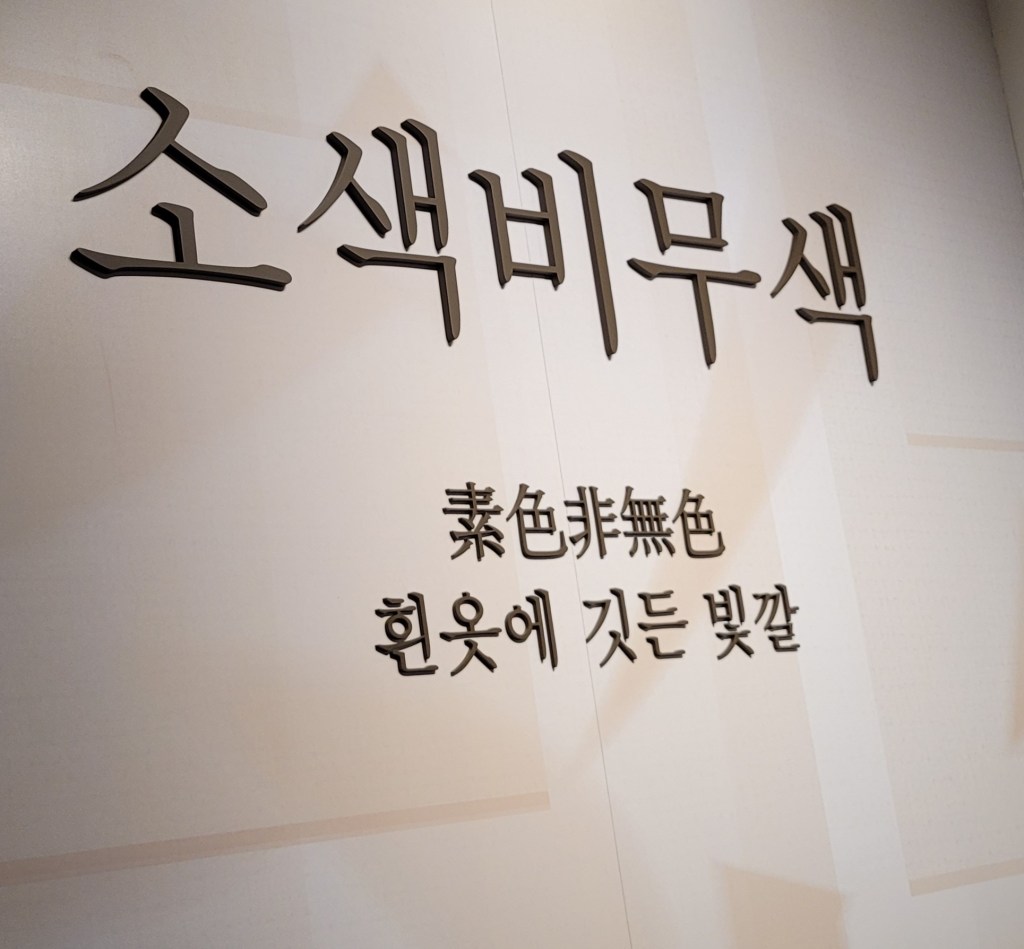
I have also been reading about this topic since I went to that exhibit, so I can also share insights from some scholarship in the world of color theory and national identity.
Color in Korea is historical, political, and cultural, and wholly different from how we perceive it outside of Korea.
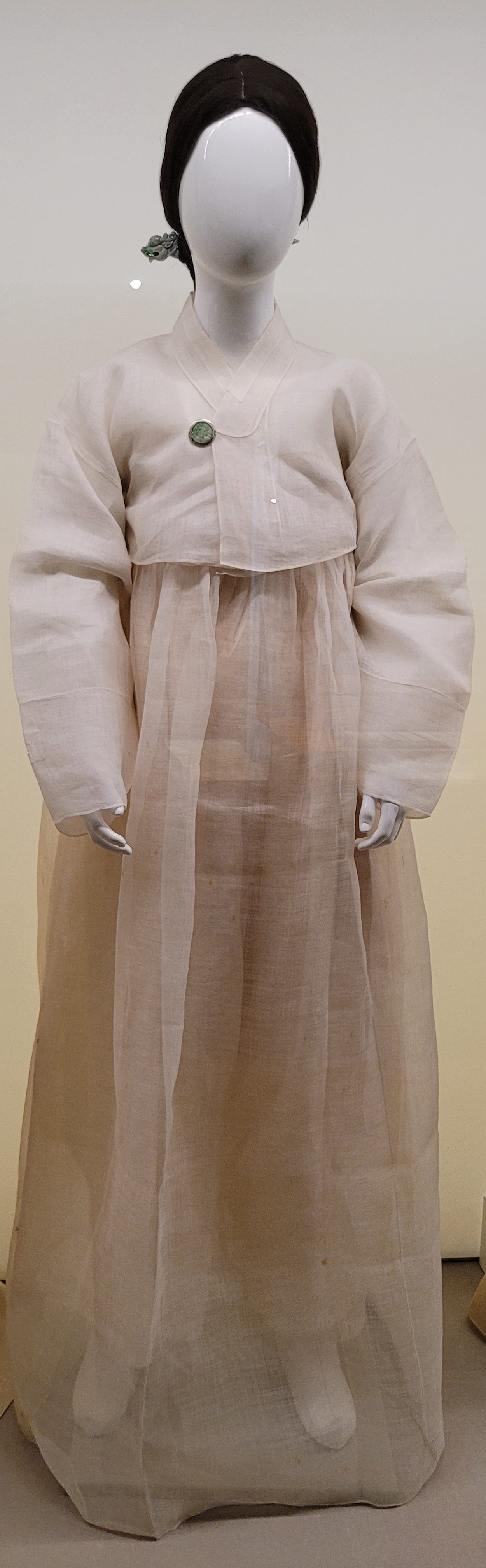
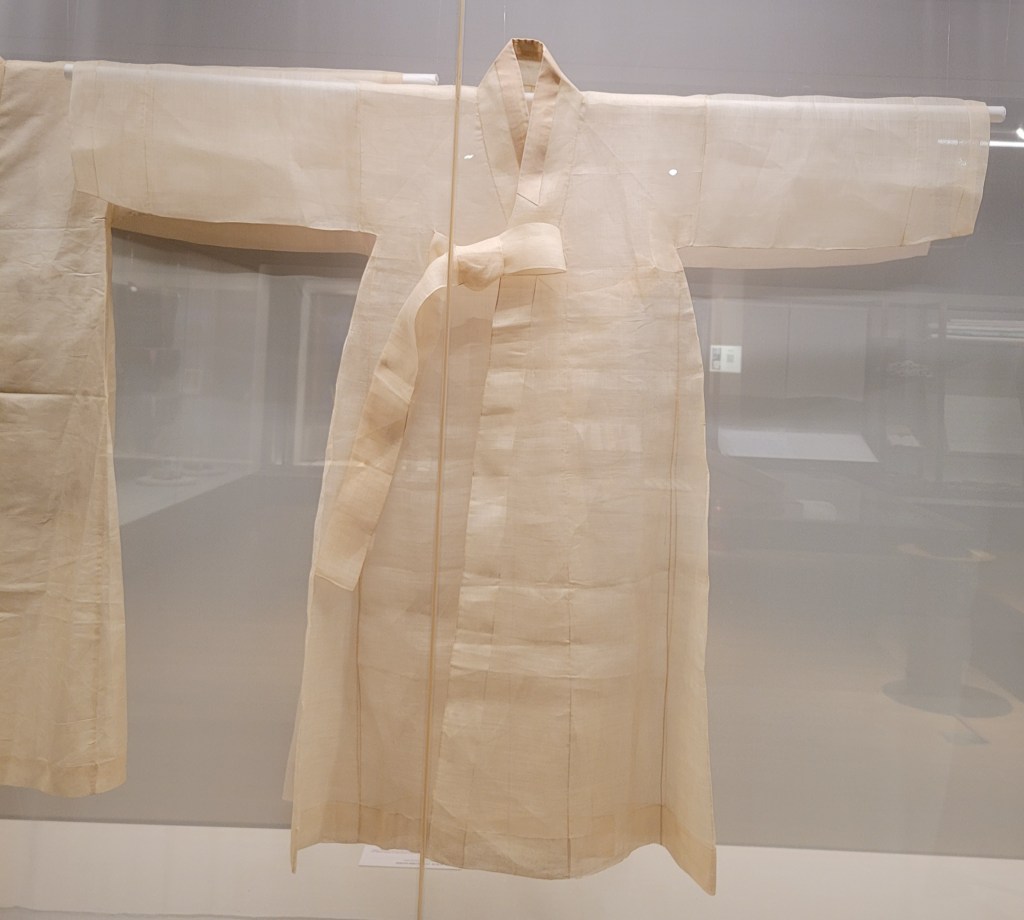
There is a long history of making textiles in Korea from indigenous plants: Silk, Cotton, Ramie, and Hemp. Each produces a thread in this White-Beige-Snickerdoodle family. Here is Ramie:
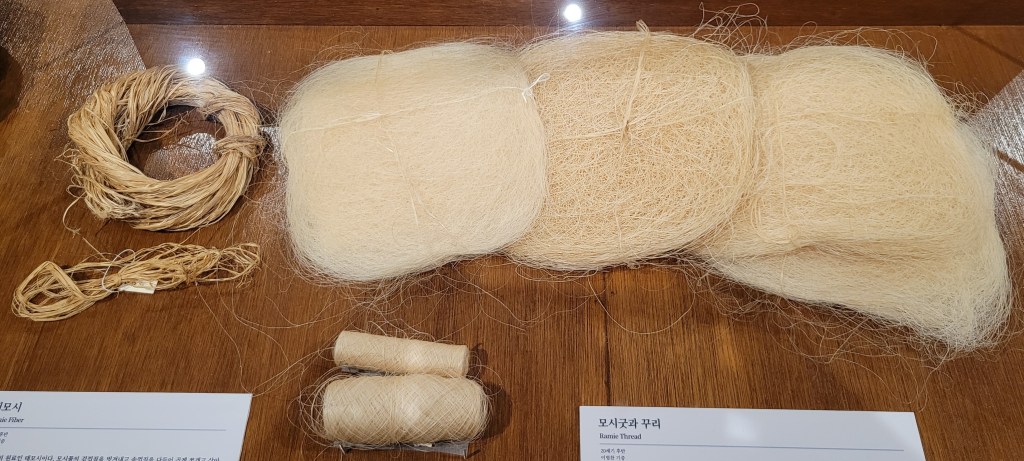
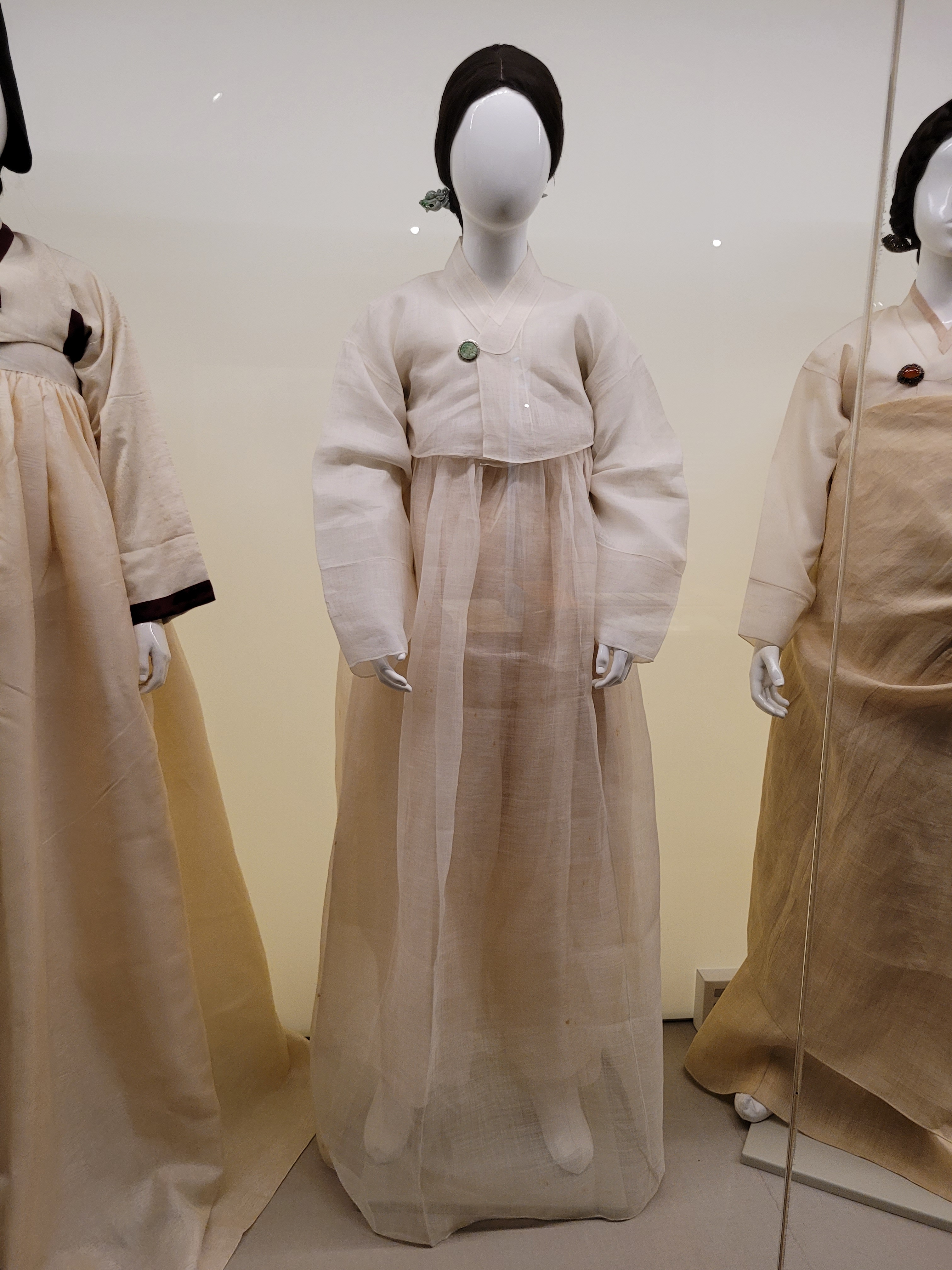
These textiles come from nature, and though they can be color-dyed, they don’t have to be.
But here is the Really Important Point: If you dress in fabric that comes directly from your lived environment, you are deeply aligned with that environment.
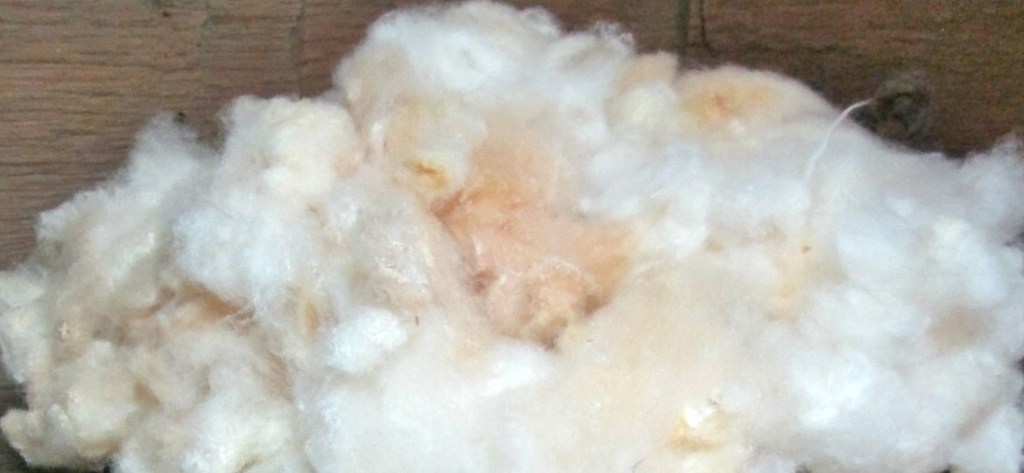
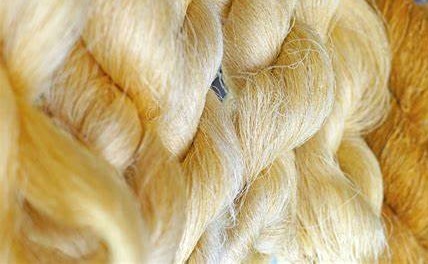
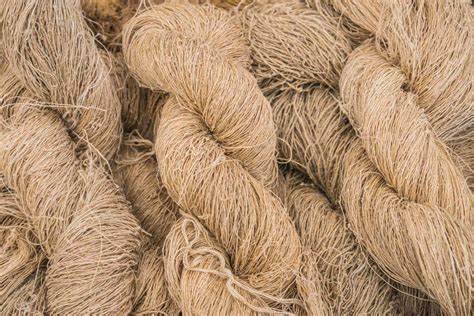
You can see the natural shades, above, of raw Cotton, raw Silk, and raw Hemp. Clothes in colors “given by nature” are construed as exhibiting Confucian-aligned values of frugality, elegance, and honorable simplicity. Even when less-hierarchical Buddhist values became prevalent over Confucian ones in Korean society, the valuing of honorable simplicity and humility continued.
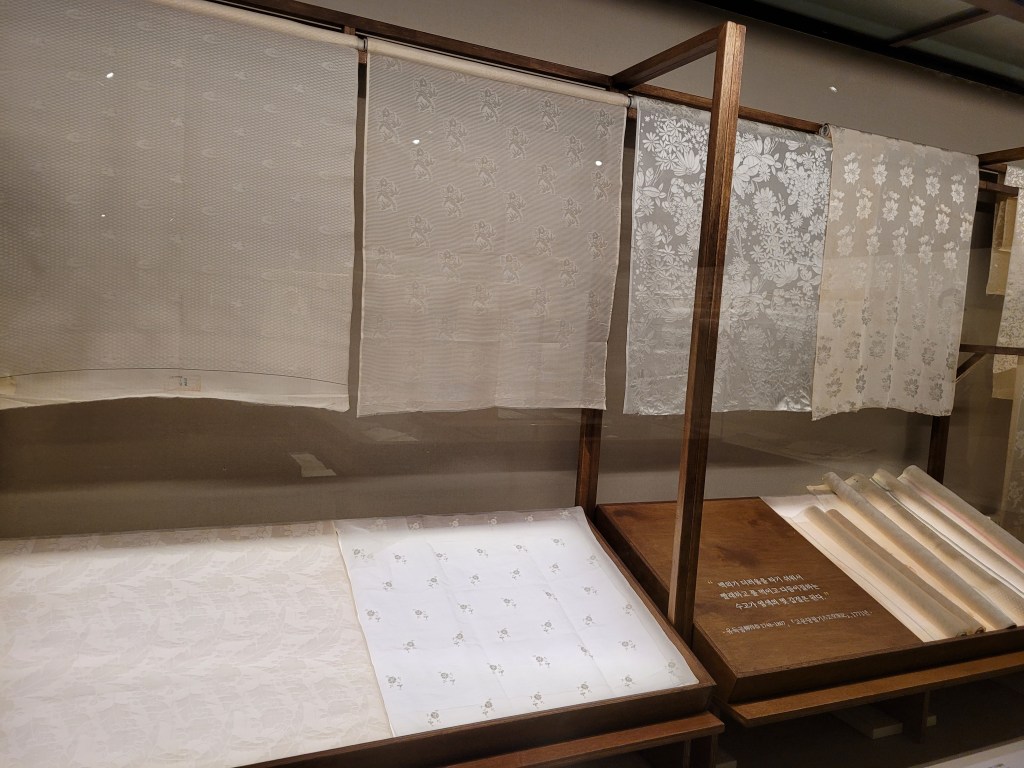
These are all vintage textile samples in Ramie, Cotton, Silk, and Hemp. The textures and weights differ, and each can have pattern and delicacy.
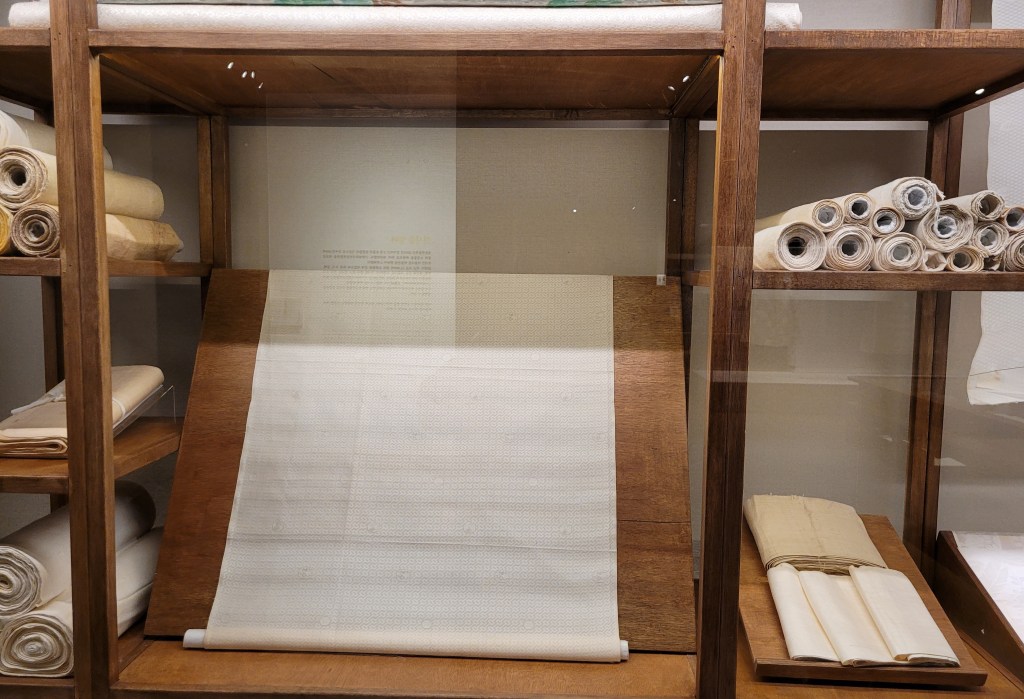
But they are all considered examples of white fabrics.
This means that in Korea, these garments are all the same color:
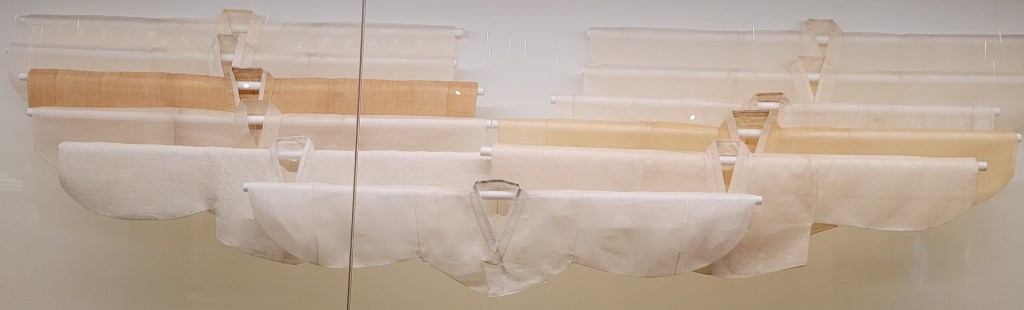
They are all white.
It makes perfect sense to Korean people: practicality is valued; everything matches because the entire palette is harmonious; it is easy to appreciate things that are straightforward.
And this shared monochrome fashion palette accords with something else extremely important: the powerful national cultural emphasis on never standing out, always fitting in, and not being the jutting-out-nail that gets hit hardest by the inevitable hammer.
Judy Park, a textiles and fashion scholar at Seoul Arts College, concludes in “A Study on Colour Associations and Clothing Colour Choices in Korea” (2017) that Koreans have strong emotional associations with specific colors, as well as firm ideas about the appropriateness of certain colors for certain occasions. In her study, most survey participants opted for “white, grey, beige, or black” for work, a graduation ceremony, a first birthday celebration, or a wedding.
The participants in her study expressed that they sought clothing that felt appropriate, but which would not make them attract any undue attention. They edged towards colors that helped them to achieve this: the Seoul-full neutral color palette.
White itself is loaded with potent symbolism, representing simplicity and focus. Historically Koreans were called “the people who wore white” by both visitors and invaders.
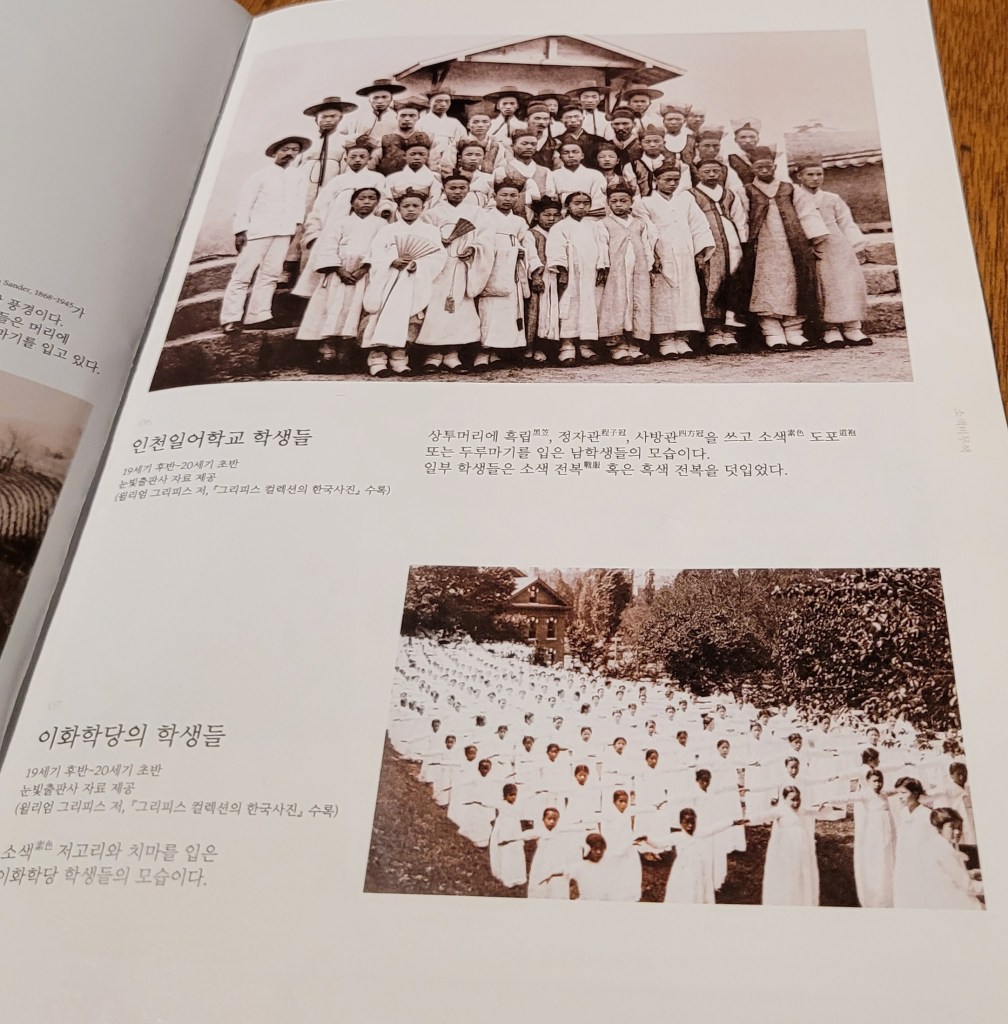
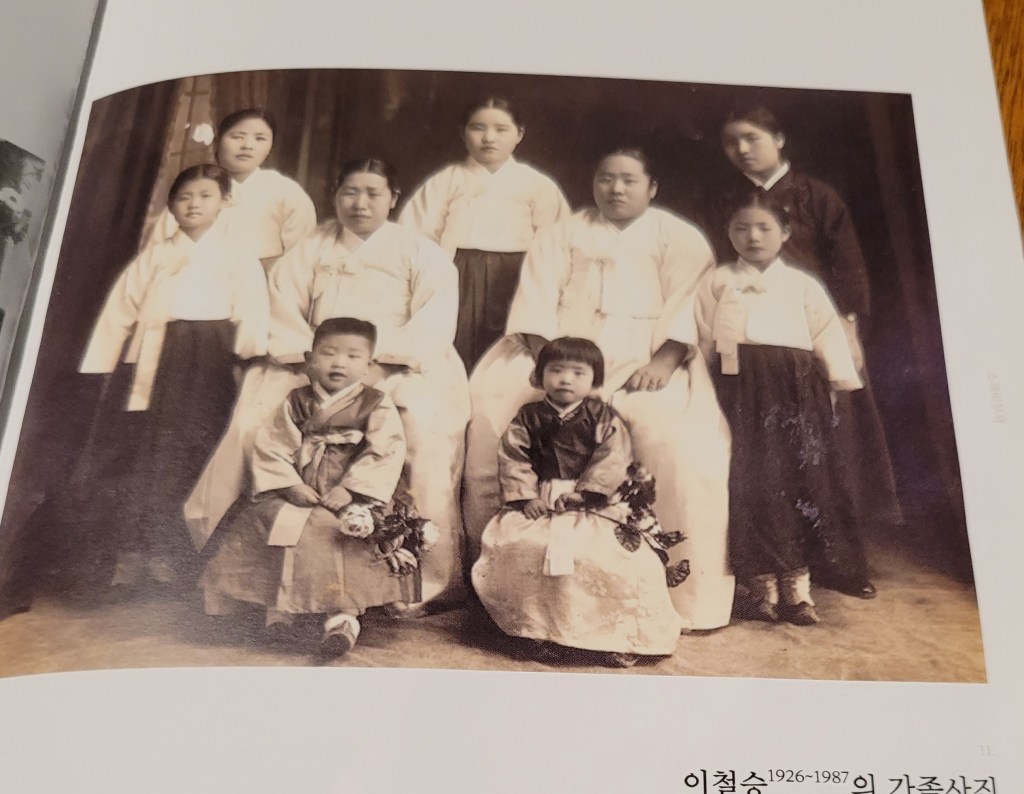
Under the brutal and assimilationist Japanese occupation of Korea (starting late 1800s, official from 1910 – 1945), Koreans were encouraged by the Japanese to reject traditional Korean ways, and significantly, to wear color. But the Koreans staunchly continued to wear white, ignoring colonial edicts and commands.
Korean Clothing Was Never Completely Without Color
Historically, colorful garb was worn by children to ward off bad spirits, for formal military uniforms, and in some customary outfits. In Korea, tradition is powerful.
This is Hanbok, a traditional Korean outfit, and its shapes are still apparent in contemporary Korean fashion choices and styles.
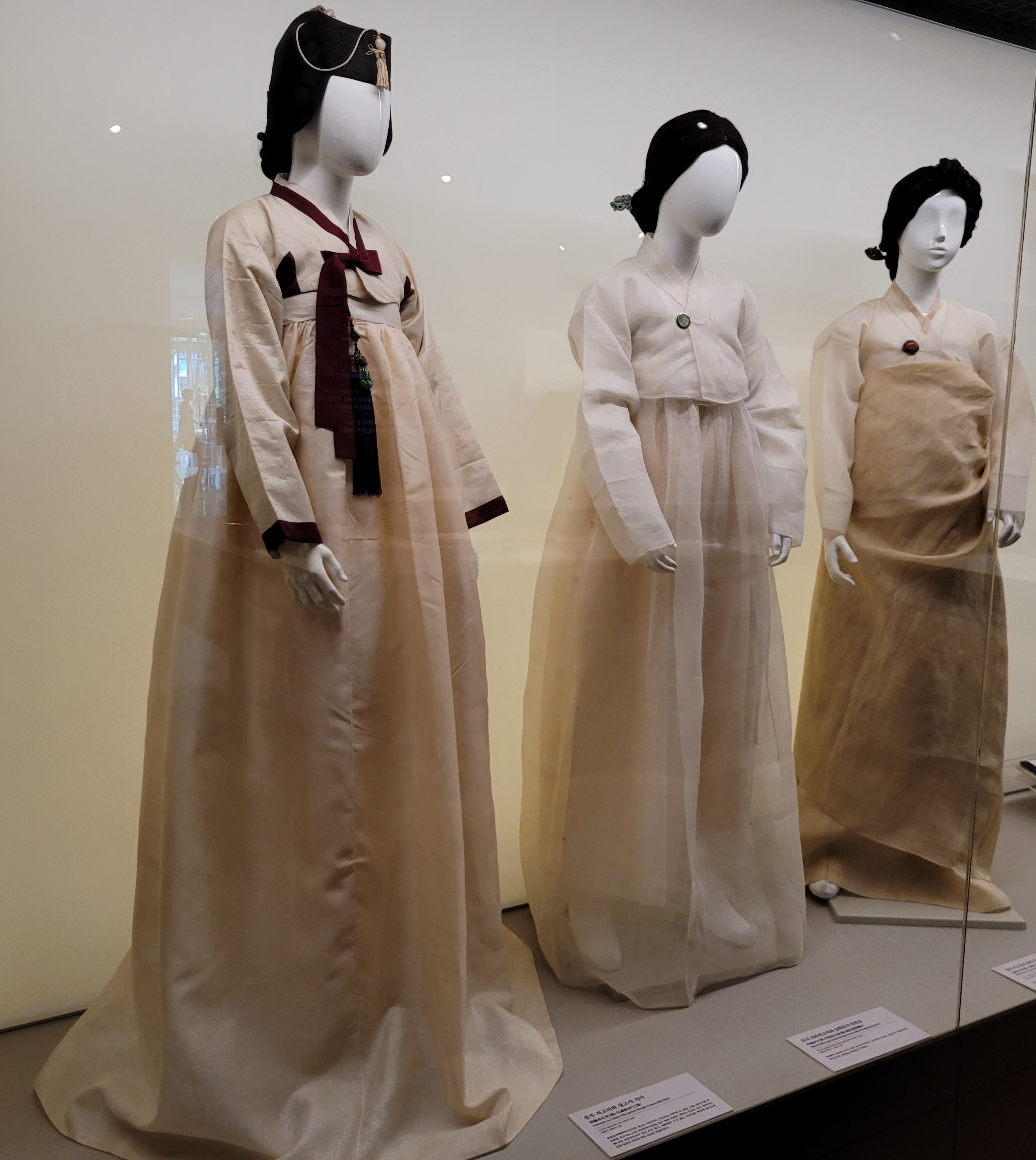
You can rent a colorful Hanbok outfit in Korea by the hour or for a day. Tourists, both Korean and non, regularly don Hanbok to walk around the palaces in the city (all admission fees are waived if you show up in Hanbok). The rental versions for children, women, and men come in all sizes. Colorful Hanbok is still worn today for weddings and other important family events.
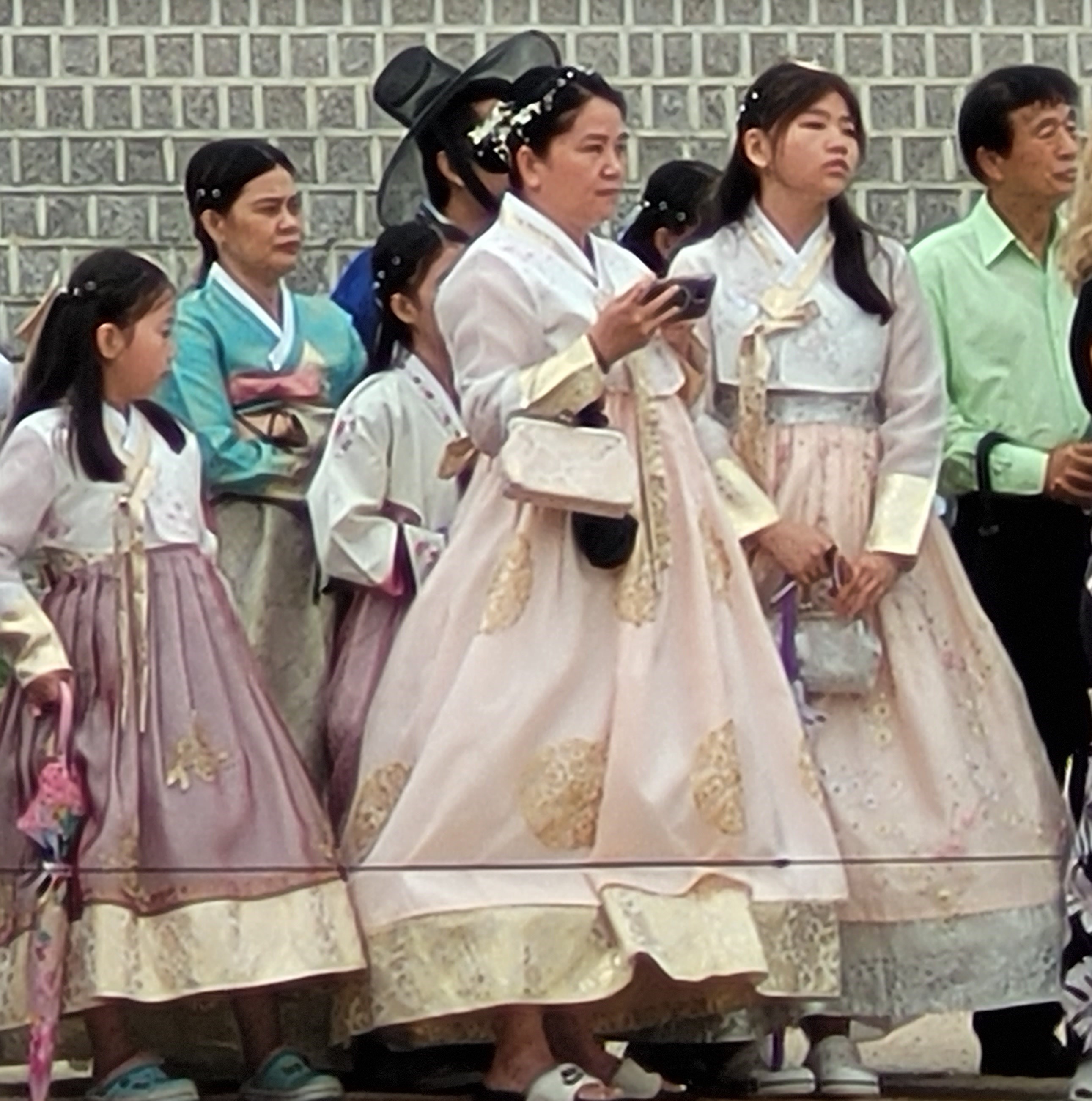
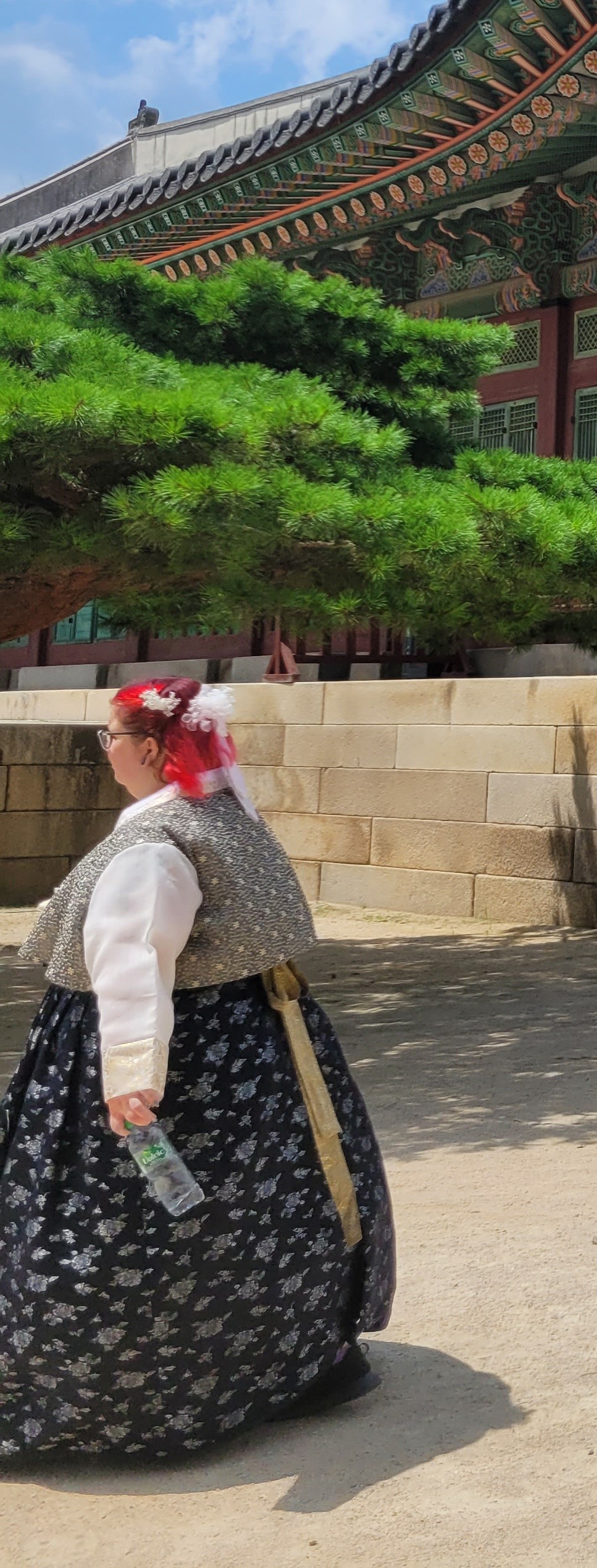
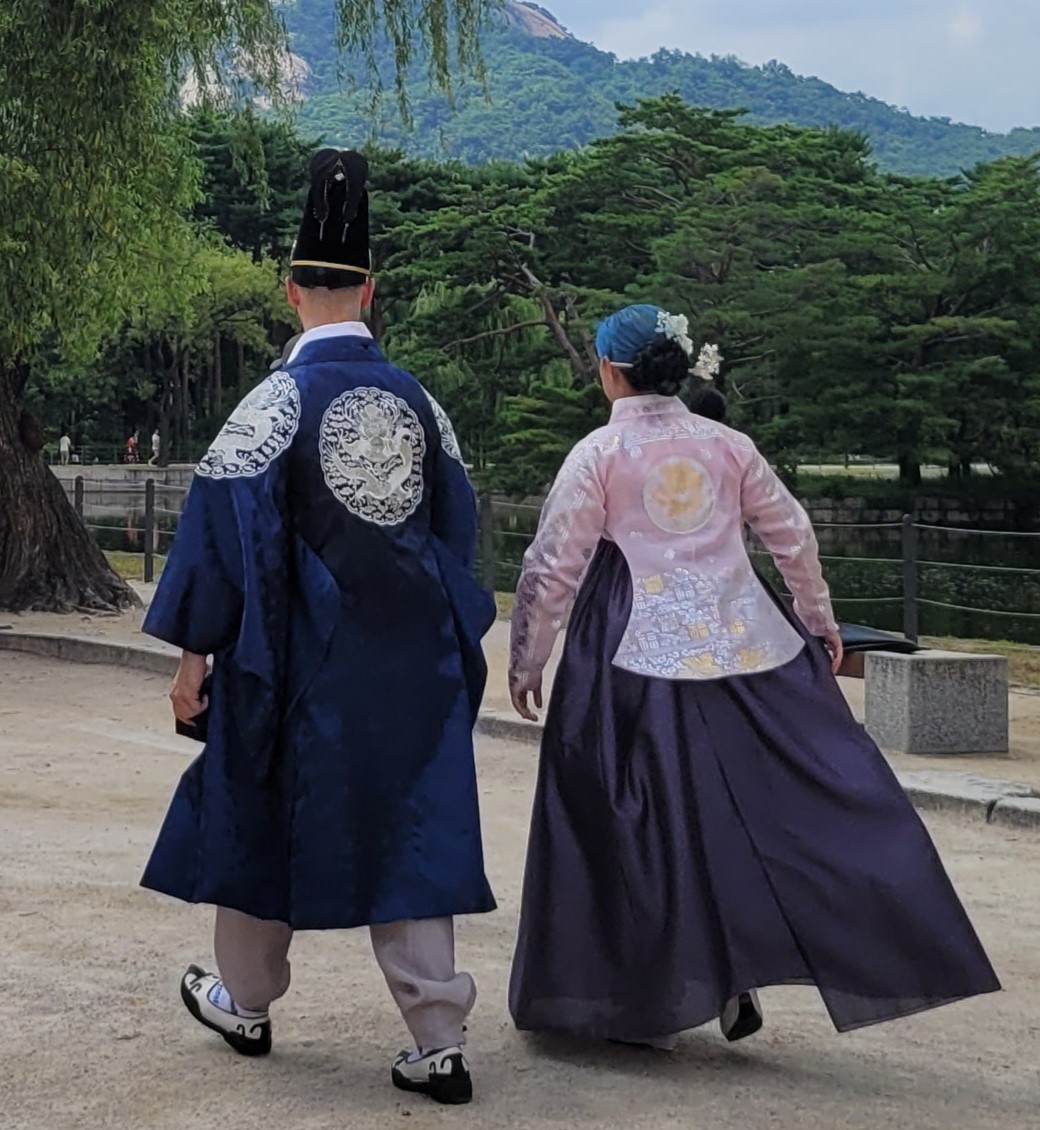
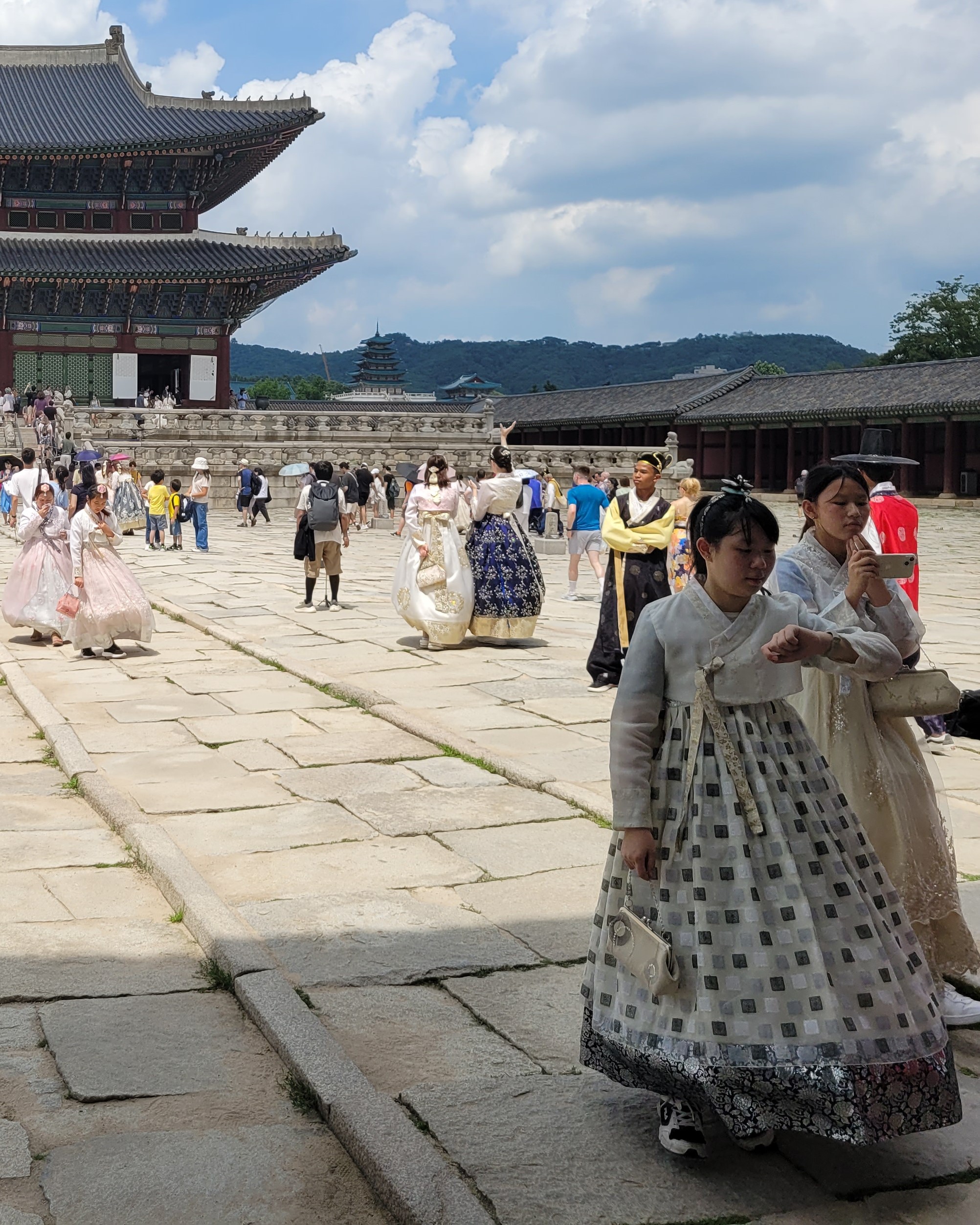
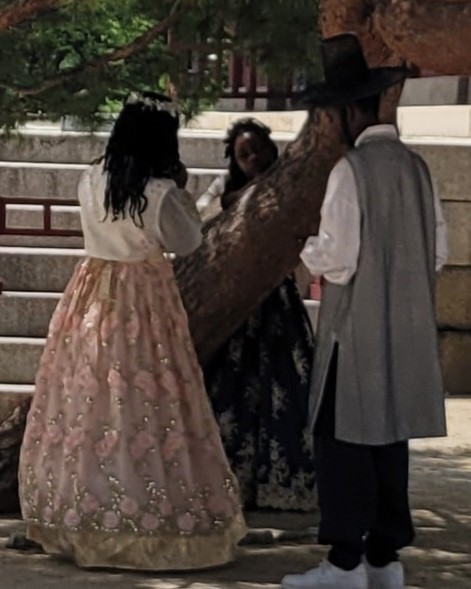
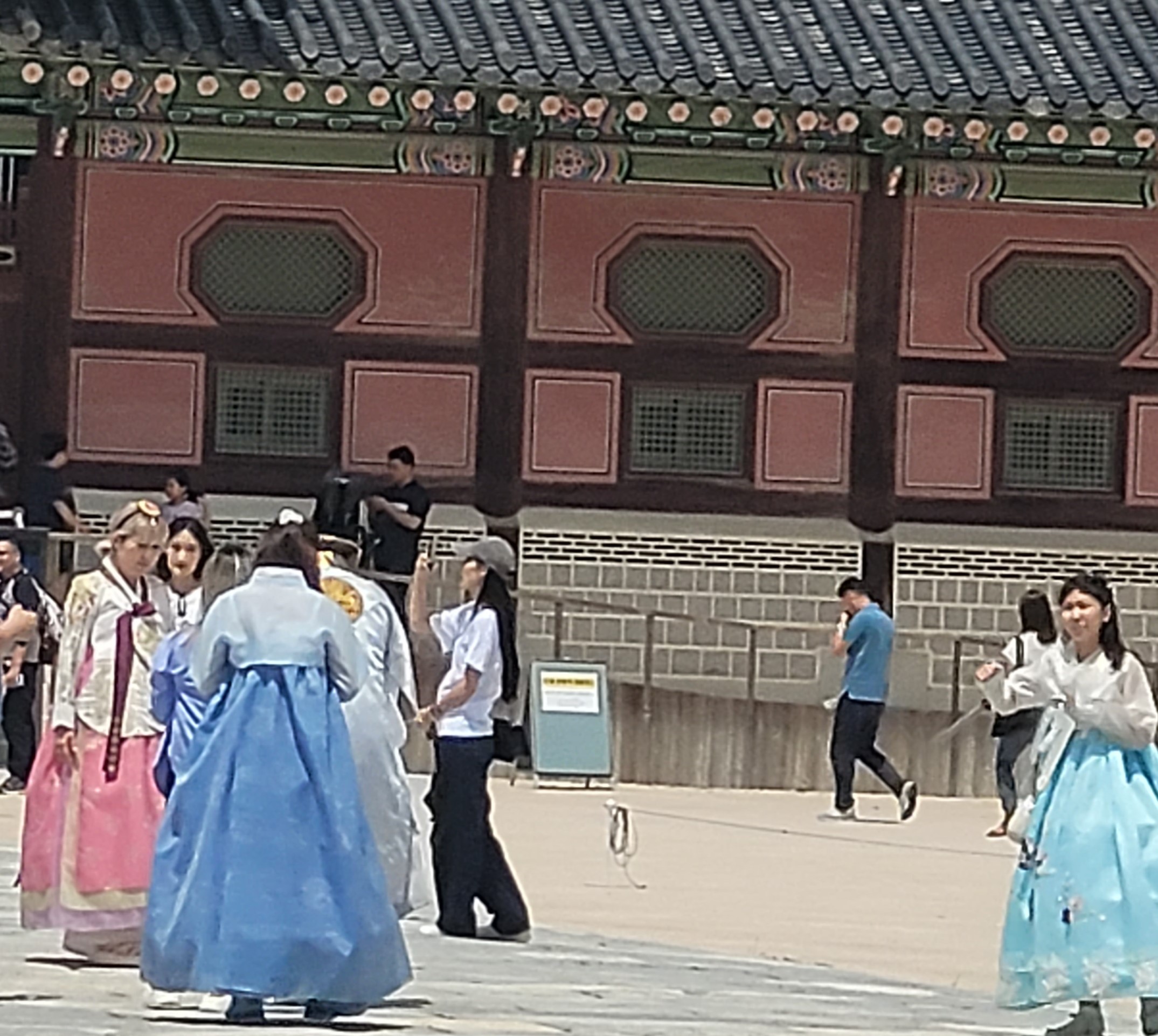
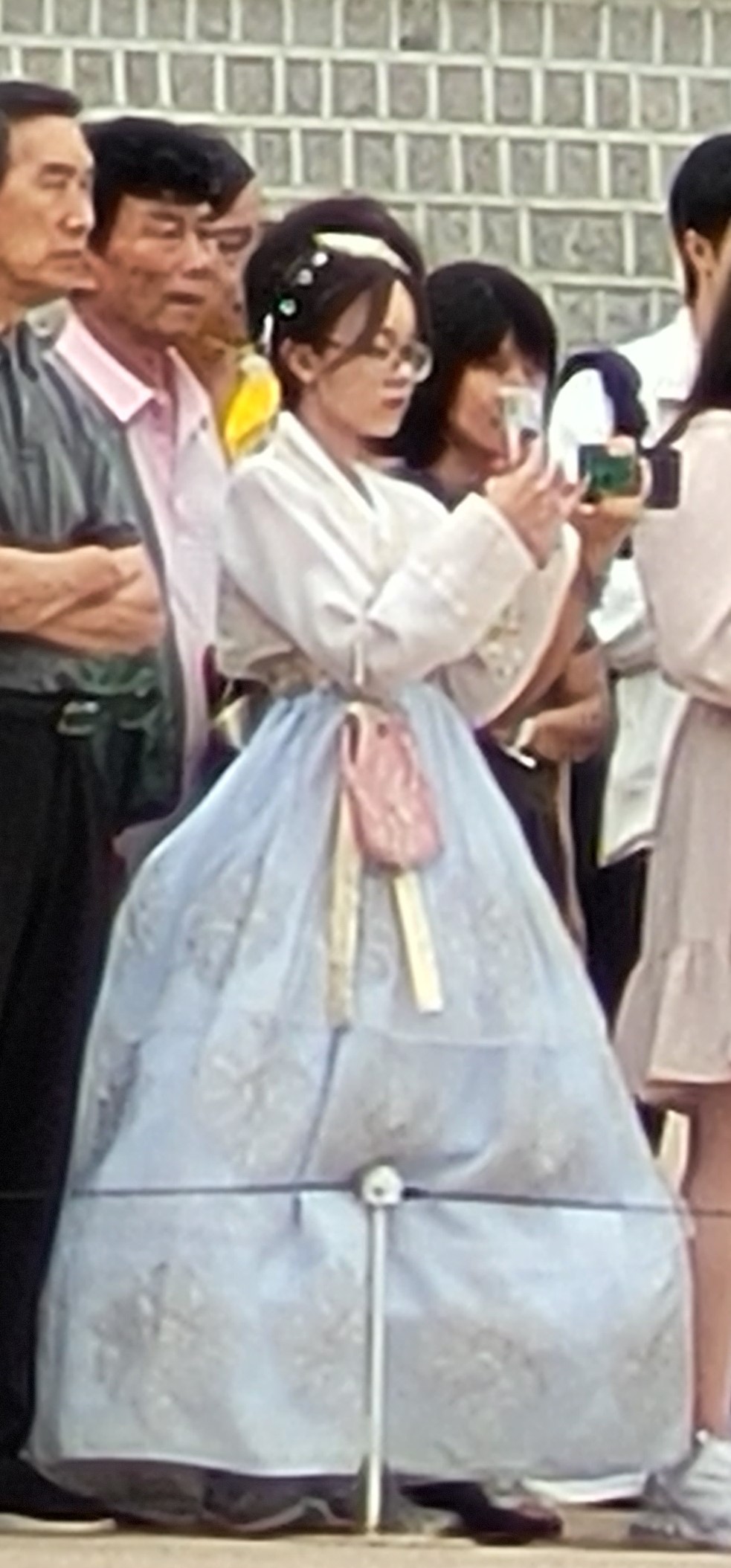
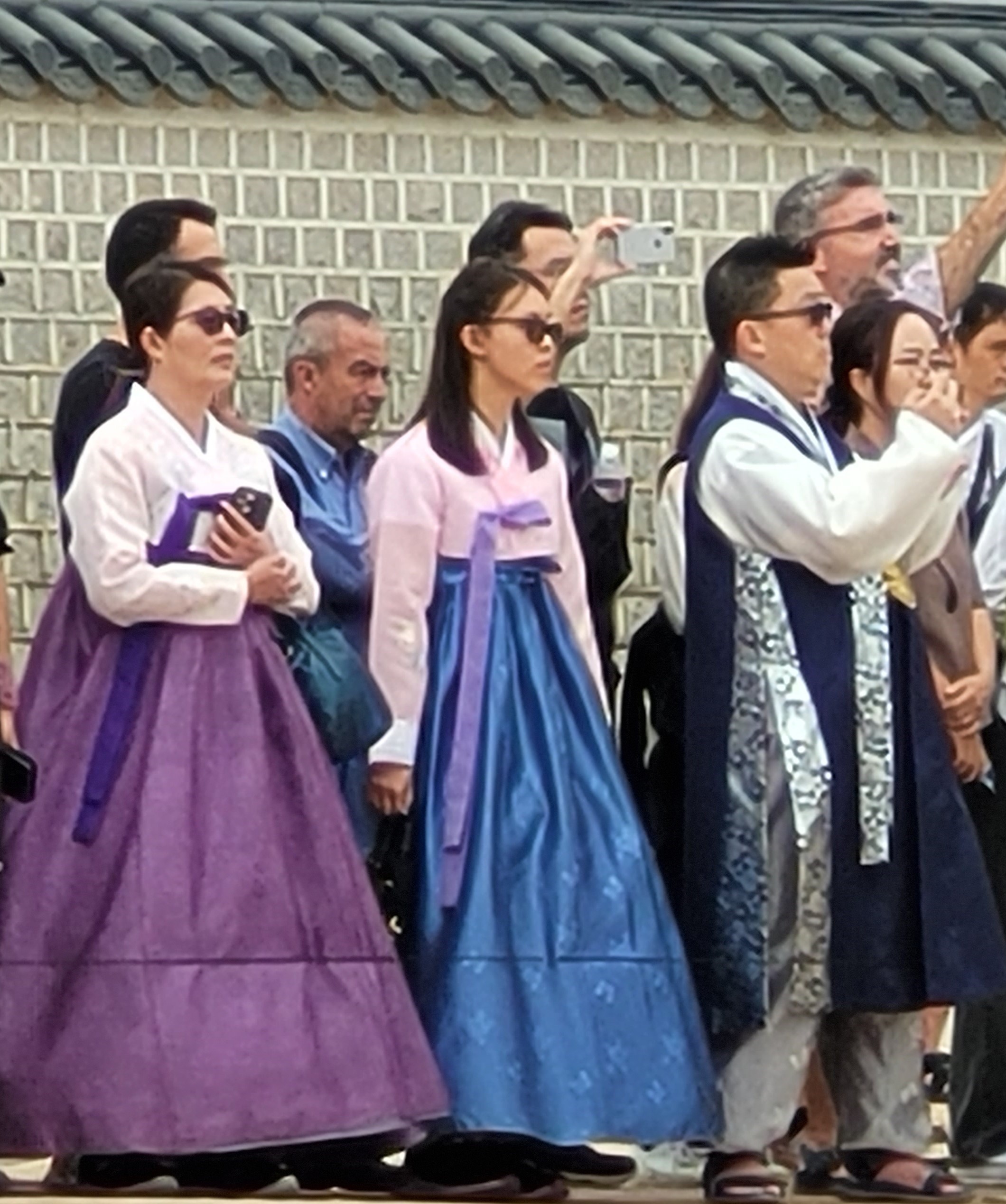
That day we were all watching the Changing of the Guard at Gyeongbokgung Palace (1394, built by King Taejo, first king and founder of the Joseon dynasty), which is a lot of drumming, flags, marching, shouted commands, dress uniforms, and dramatic ceremony.
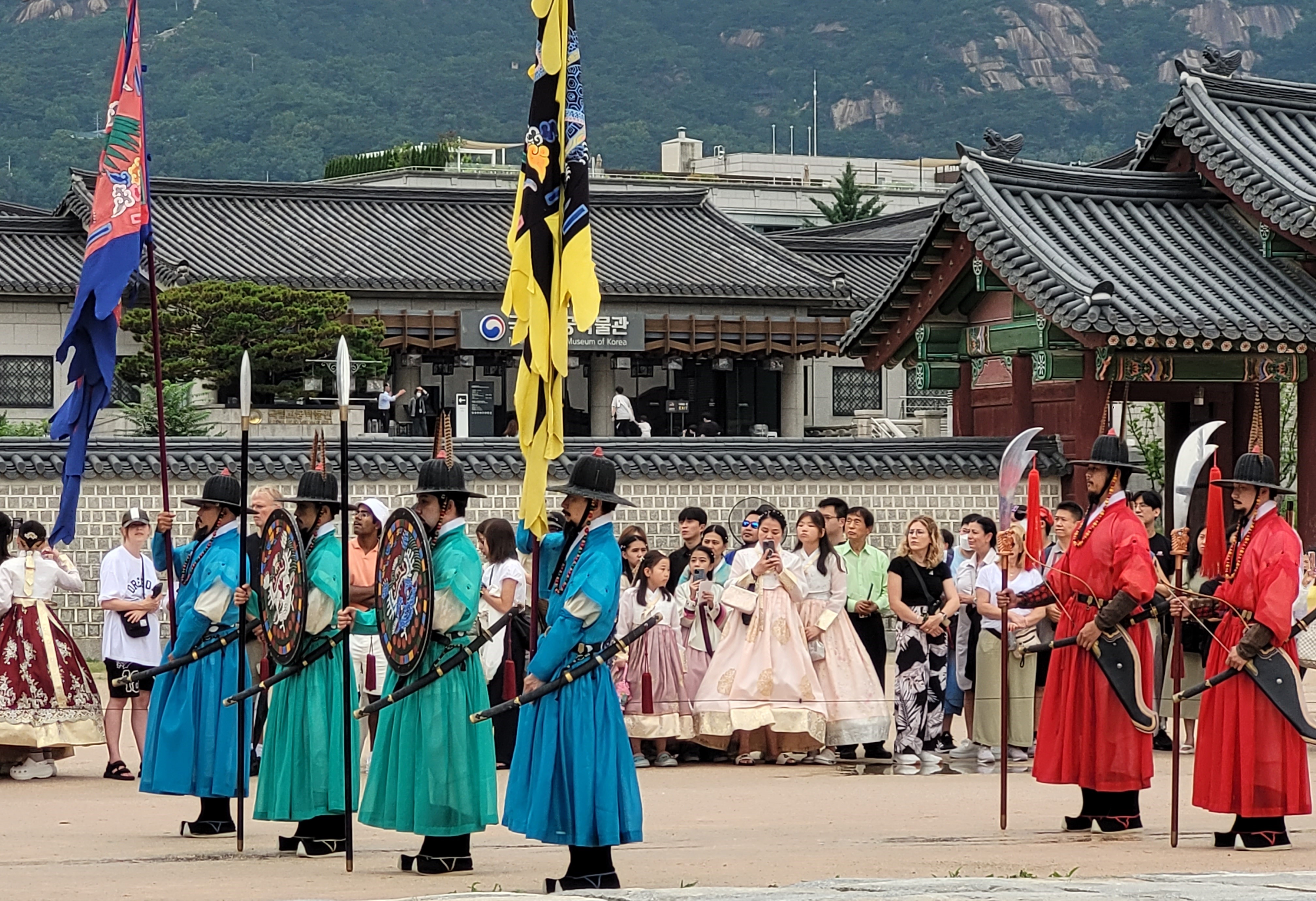
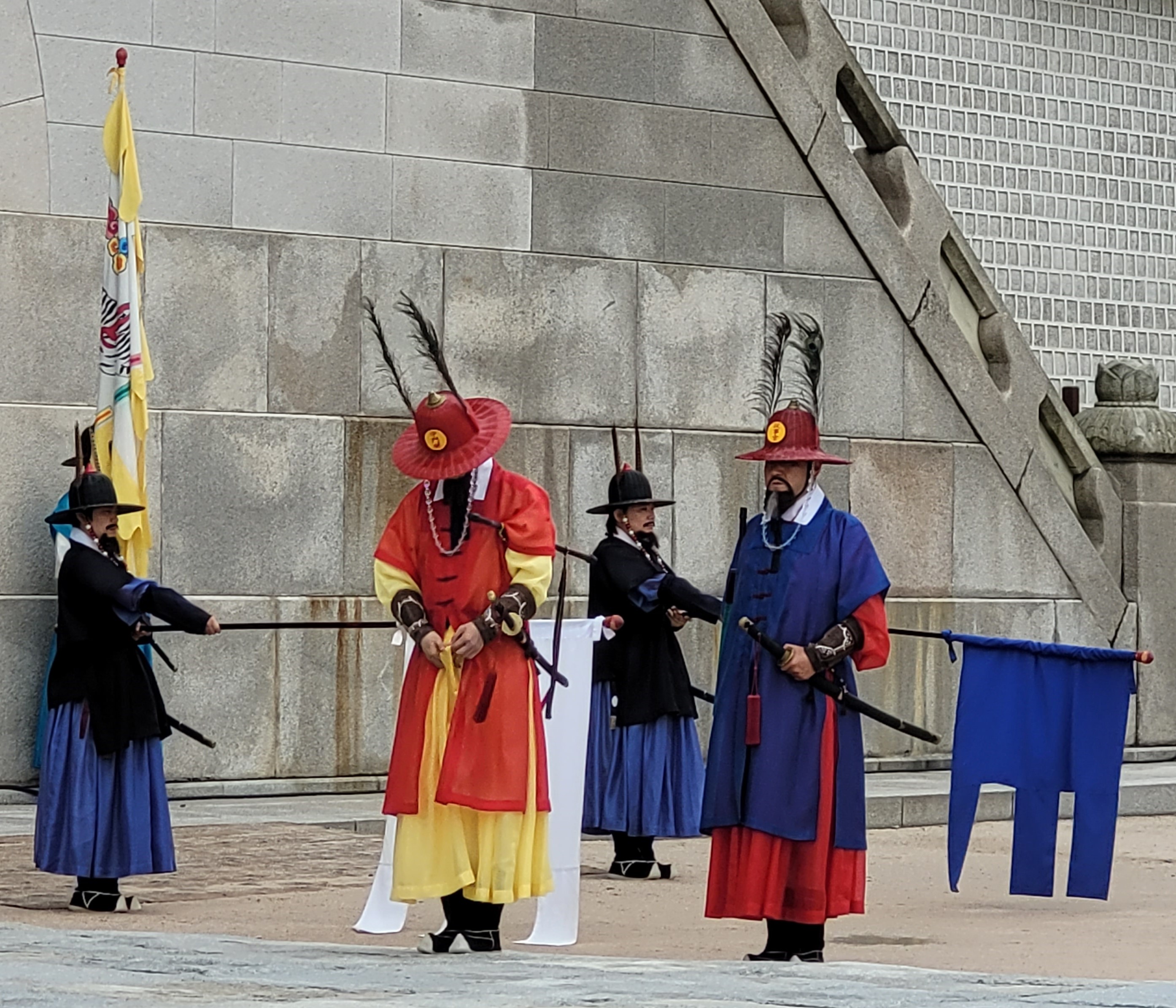
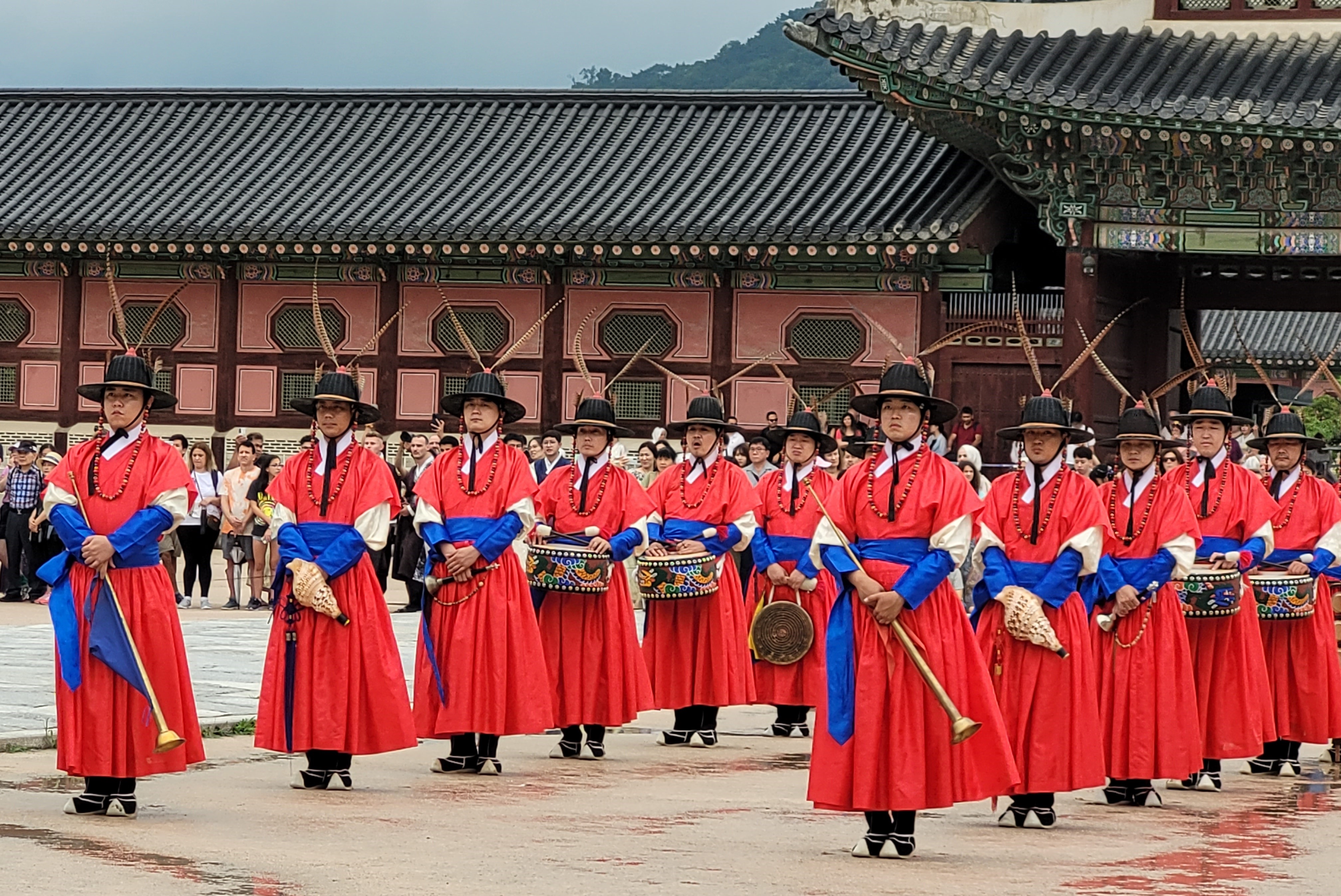
It was a pretty hot day.
The official guards paraded about in their traditional historic uniforms.
The tourists paraded about in their rented Hanbok.
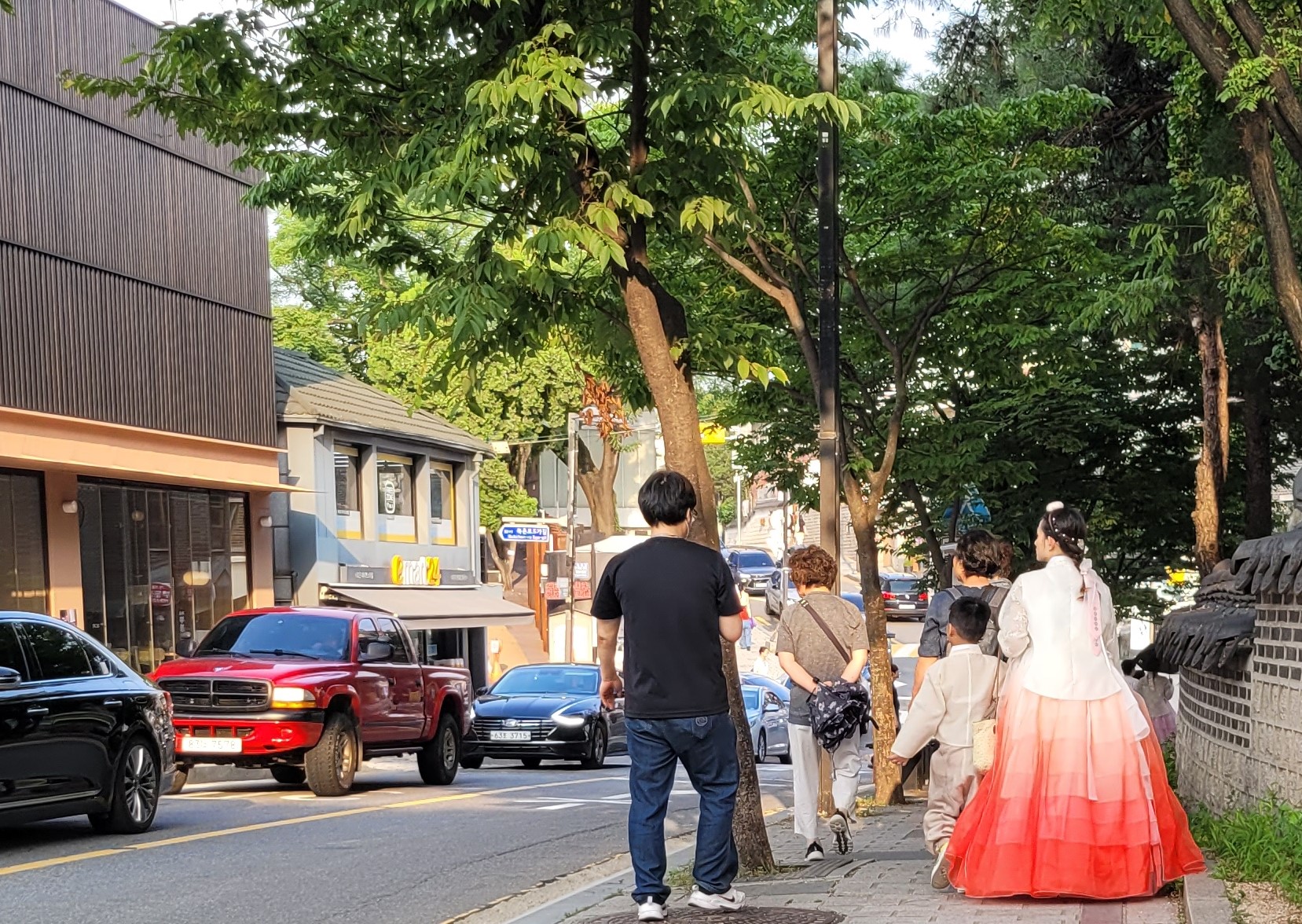
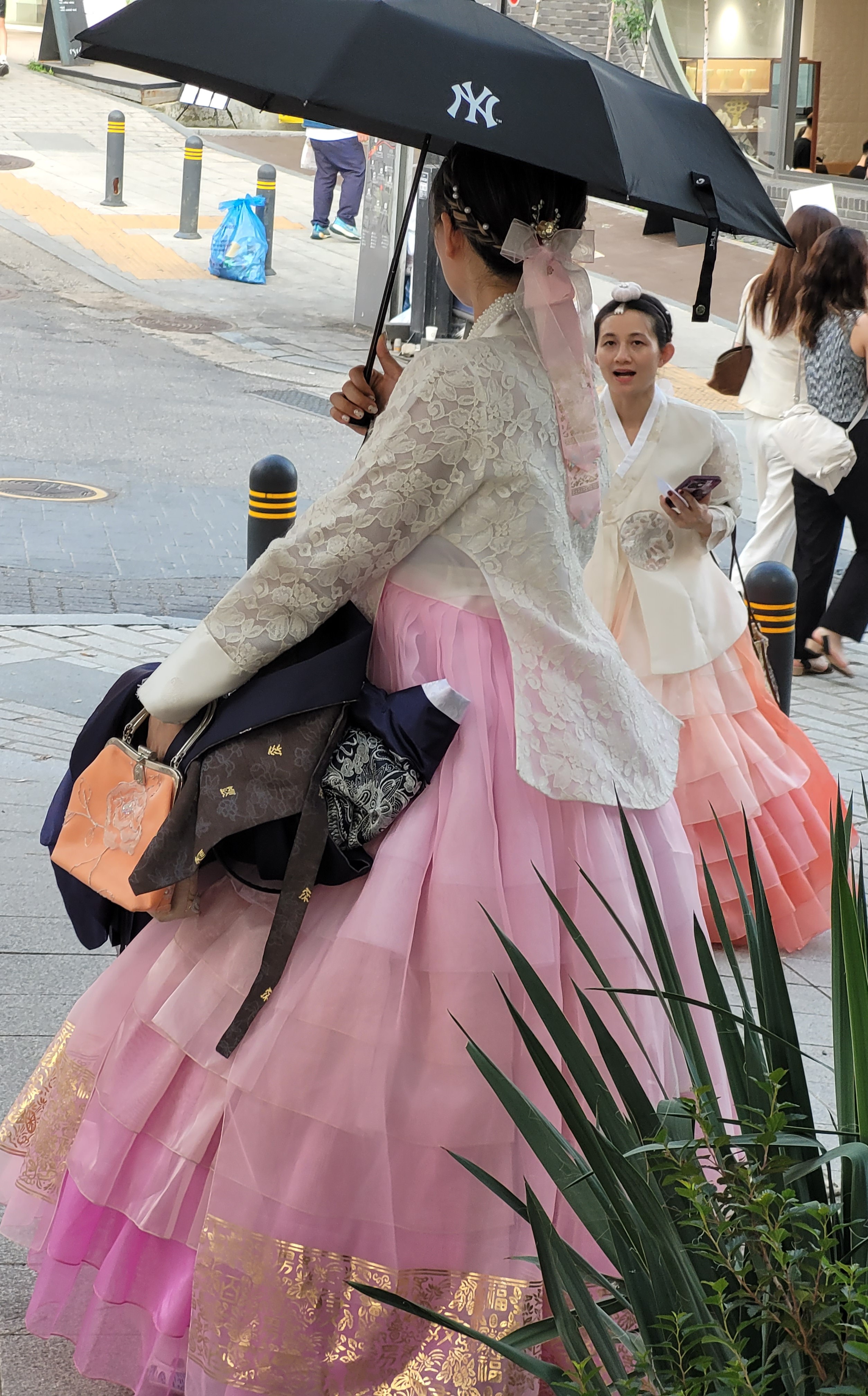
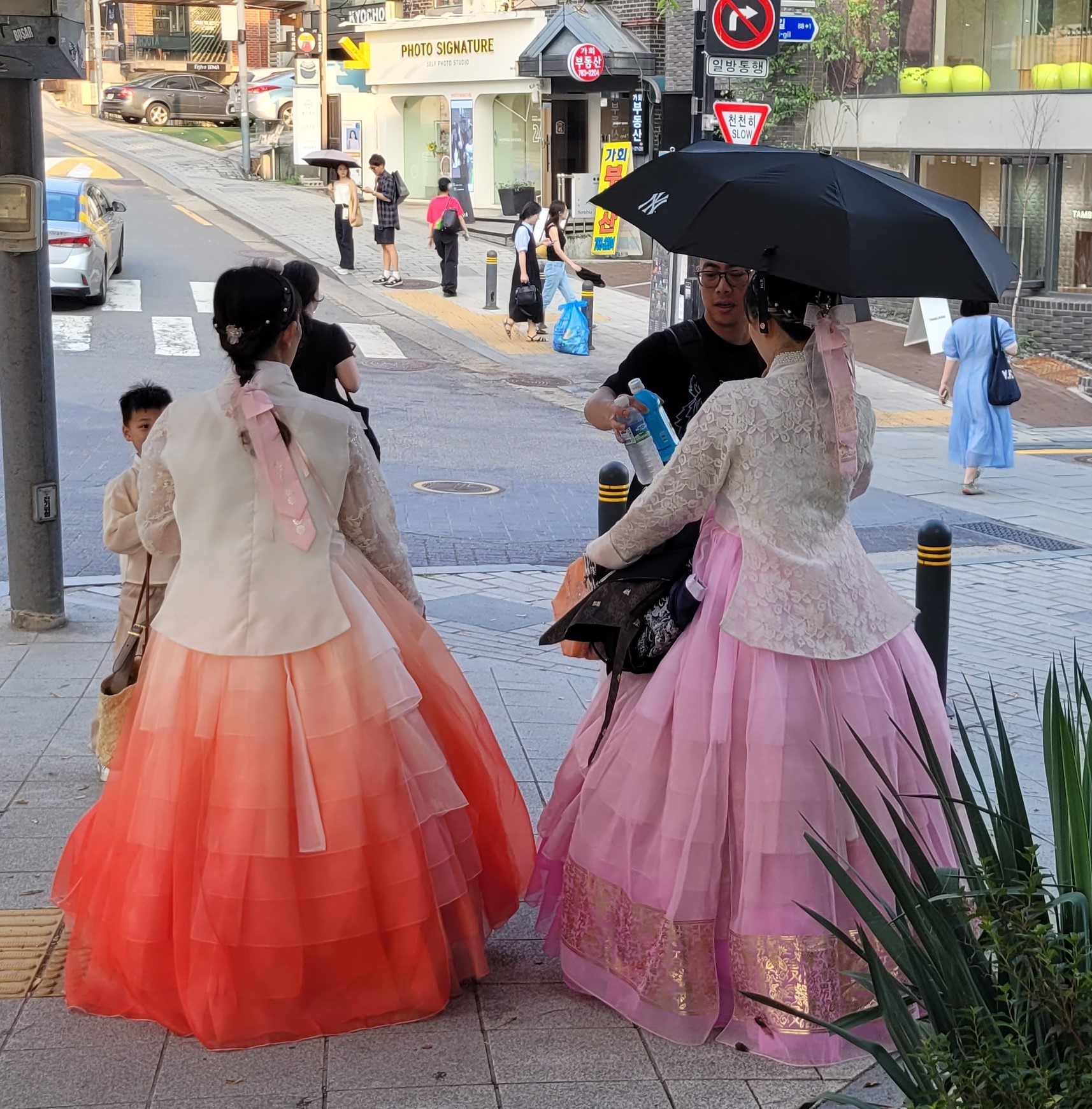
I think you will concur that elegant Hanbok and a NY Yankees umbrella is a most wonderful combination.
There are many layers in Hanbok, so the Hanbok rental stores help you to get dressed. There are under-trousers, and under-shirts, and over-jackets, and over-skirts. I did not rent Hanbok on that visit, as the prospect of marching around in many layers in the heat was not appealing. (You know, I am not sure if I have ever worn anything floor-length in my entire life. I think not.)
So the history of Korean garb is not totally without color, but the core national cultural values, as still practiced today, are still linked to the White-Black colorway.
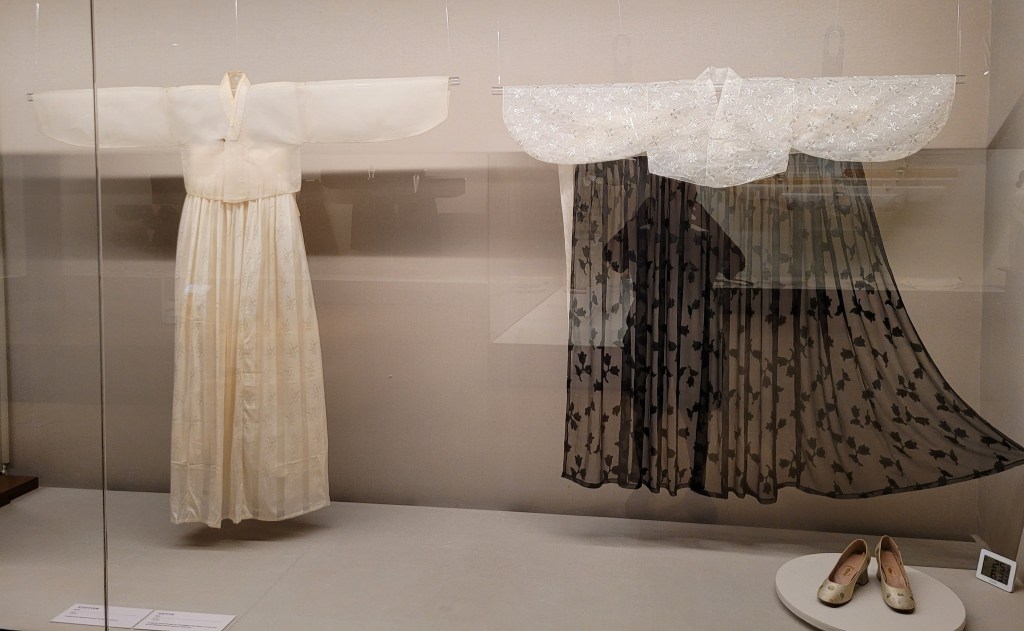
In the West, black and white are seen as strongly contrasting opposites. But here in the East, they are not opposites; rather they comprise an harmonious whole.
The Korean perspective sees white with black as beneficial to each other, in balance, symmetrical, complementing each other, while “creating a neutralized and harmonious air.”
Fashion historians here write about white and black having a balancing energy that people can sense. This accords with Park’s findings that people relate to the feelings they get from wearing certain colors, feeling wholly balanced and appropriate when wearing certain colors.
Here in Korea, the connection to simplicity in dress, to unadorned clothing that manifests nature, and to the mental well-being that ensues, is described as being “passed down in the DNA of Koreans.”
The exact balance is found in clothing that is “frugal but not shabby, exquisite but not extravagant.”
Fashion Today
So yesterday I went to the neighborhood of Myeongdong, a popular, very busy, very trendy fashion and beauty shopping district. And you want to know what is WAY IN for winter fashion? Bucket hats. Bucket hats are HUGE at the moment!
But only in these colors:
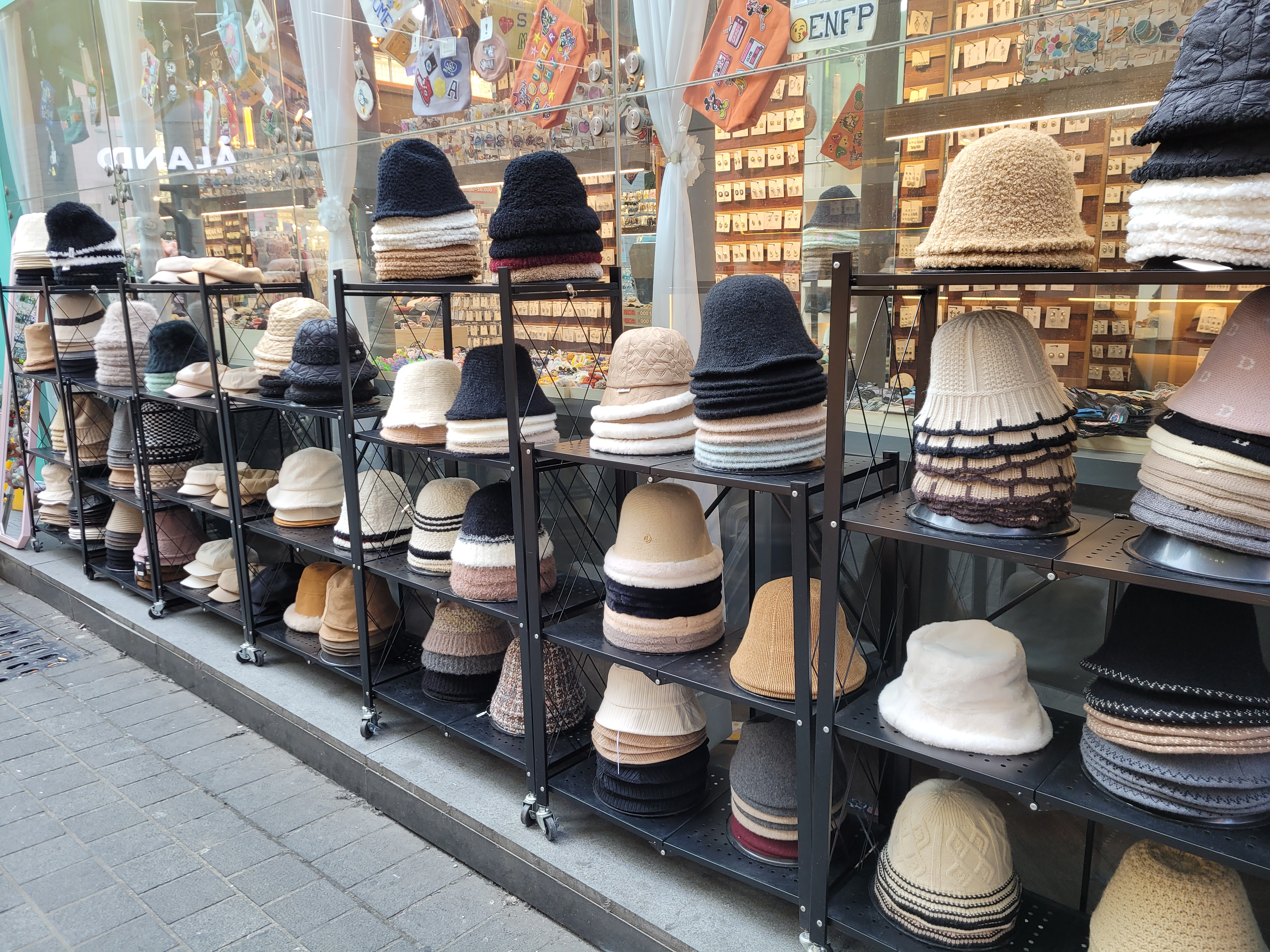
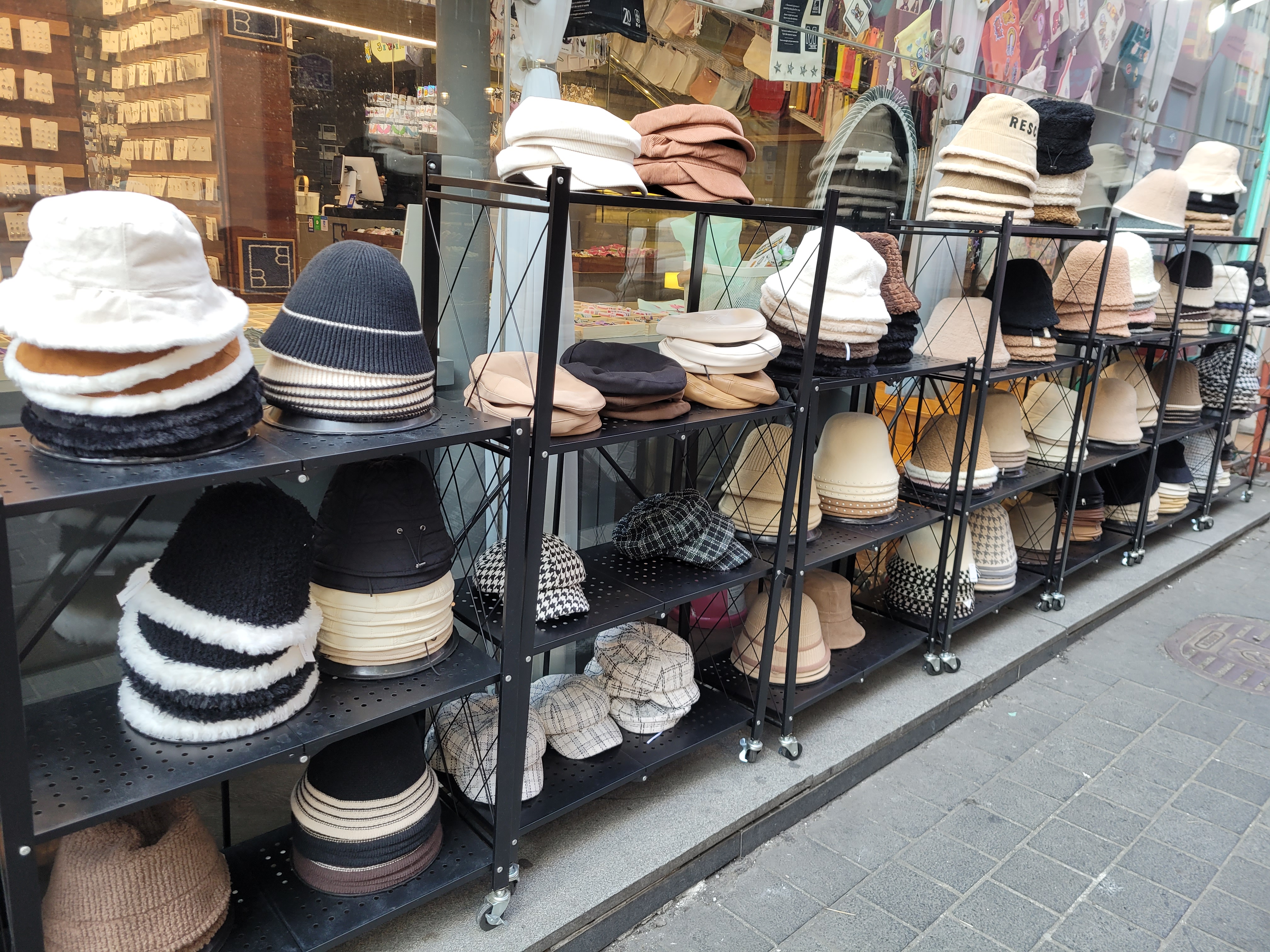
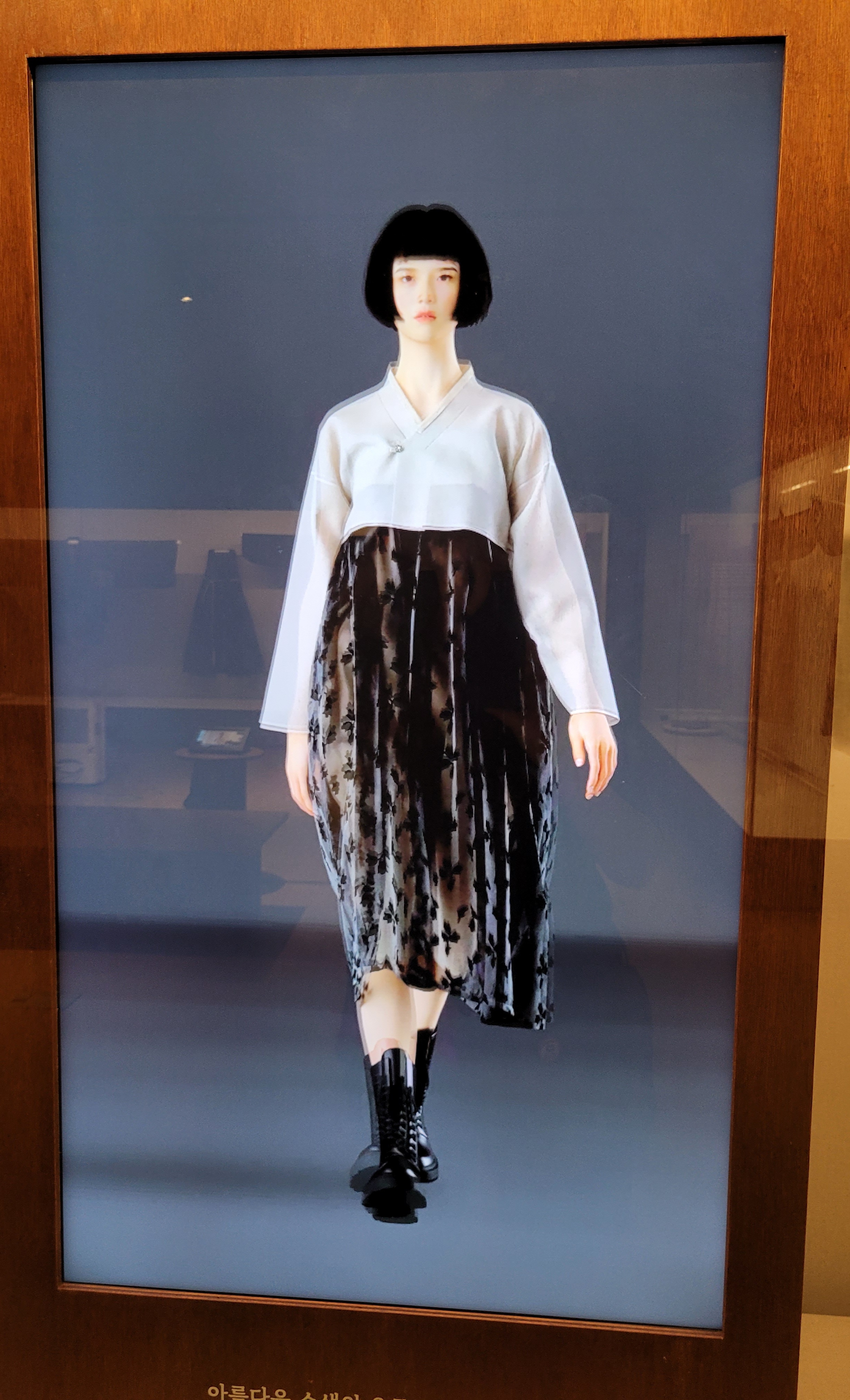
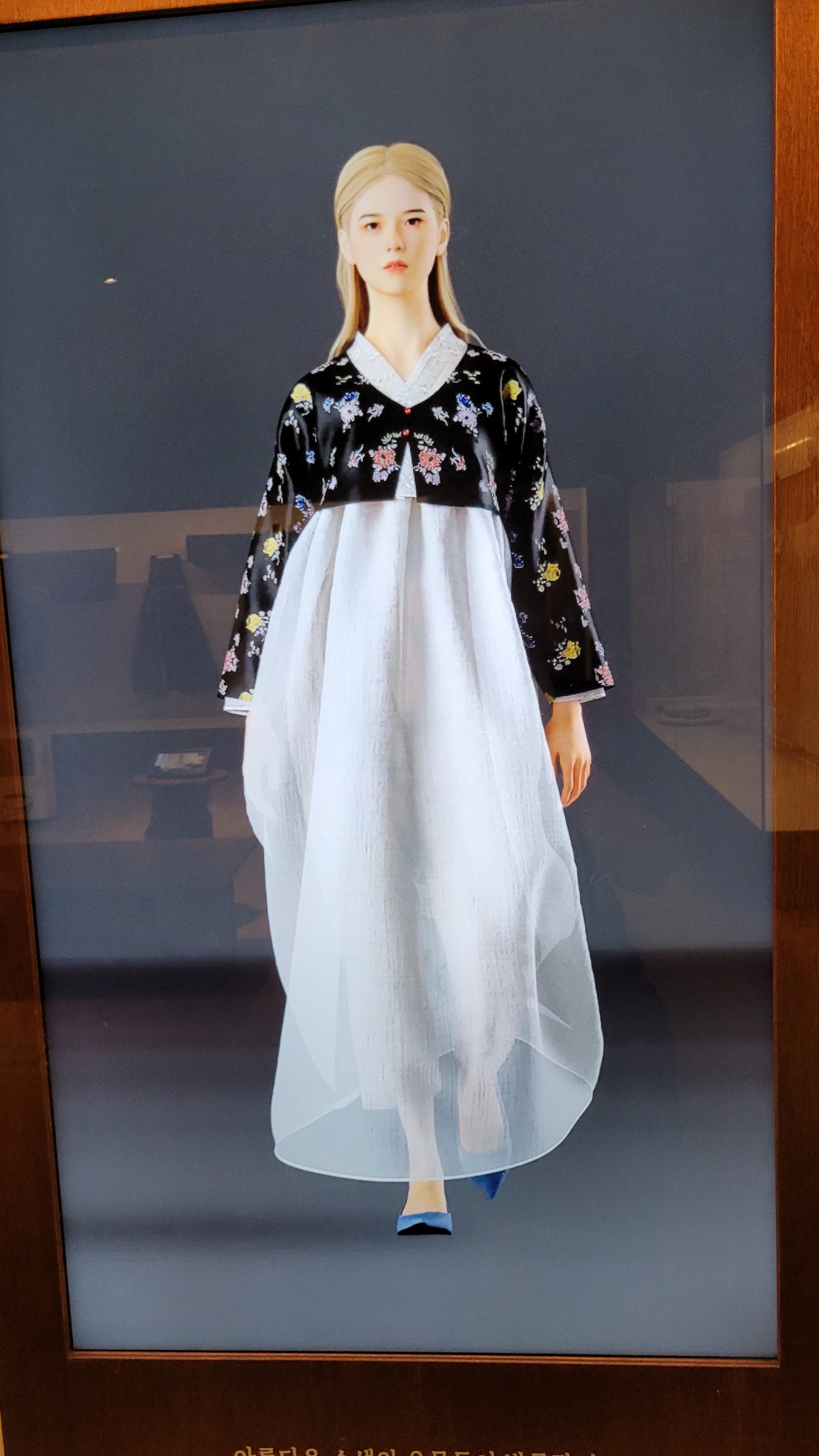
Many contemporary Korean fashion designers still stick to this palette of whites and blacks, reimagining traditional shapes and styles.
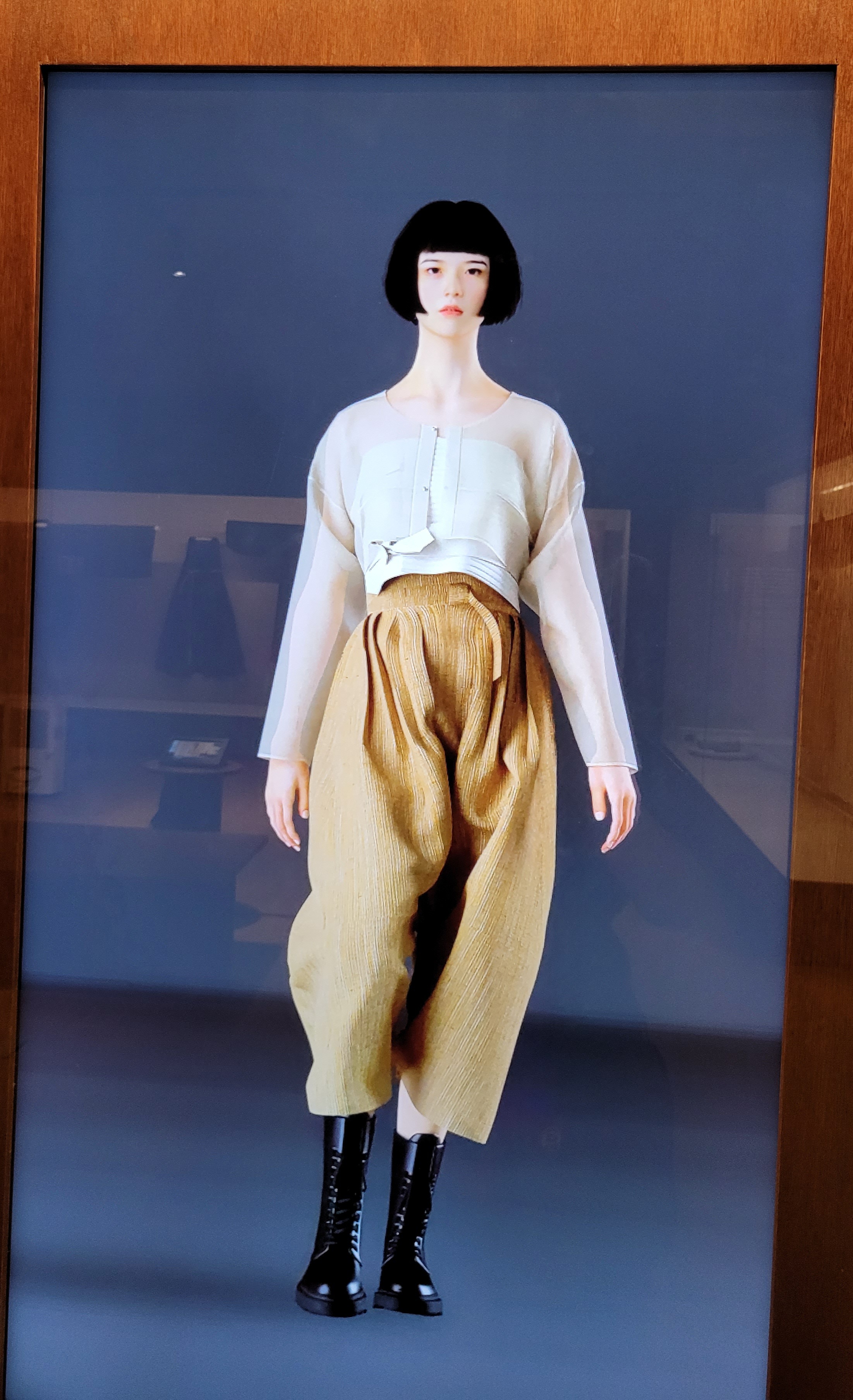
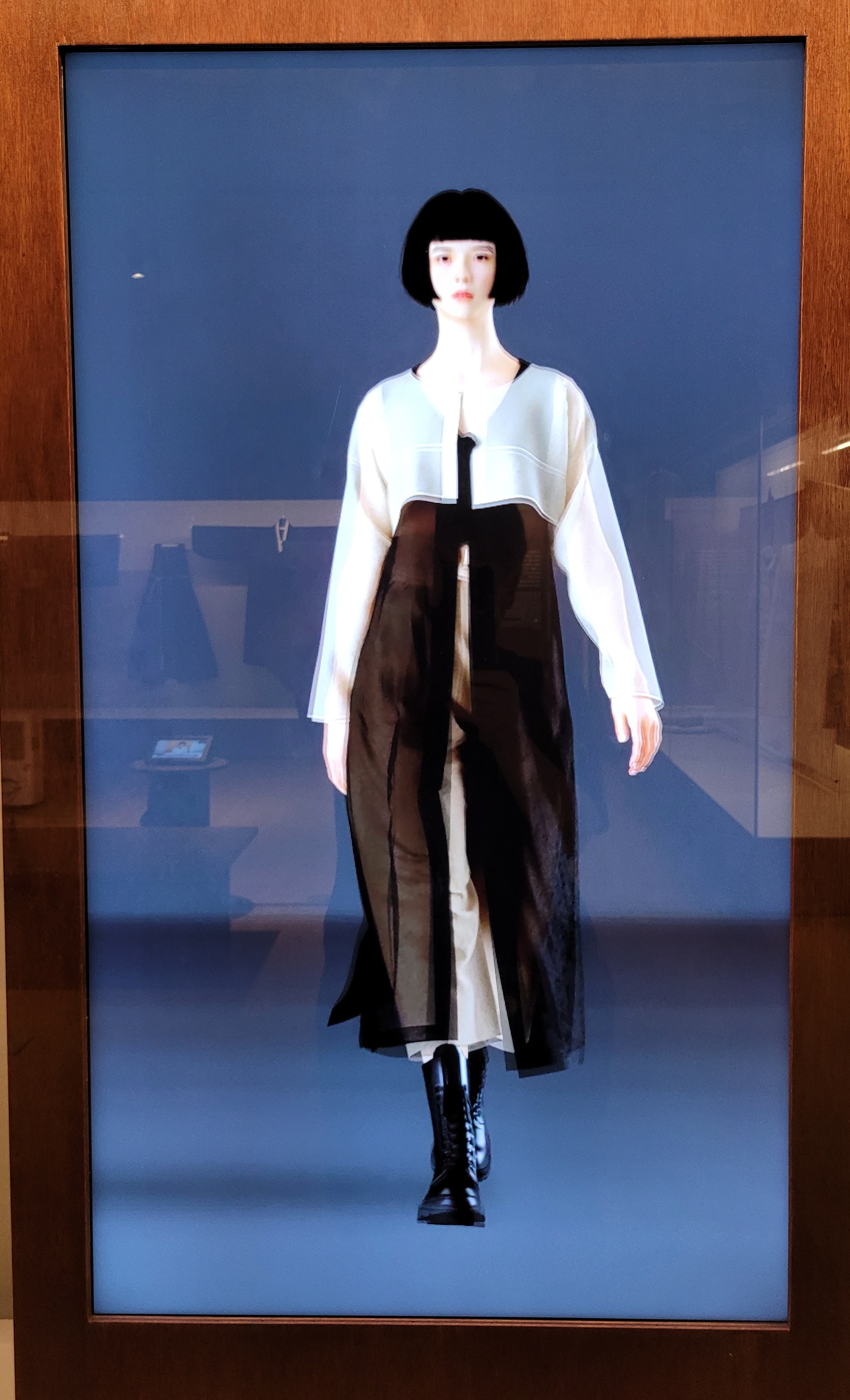
I was seriously worried this man might get sent home to change at any minute….
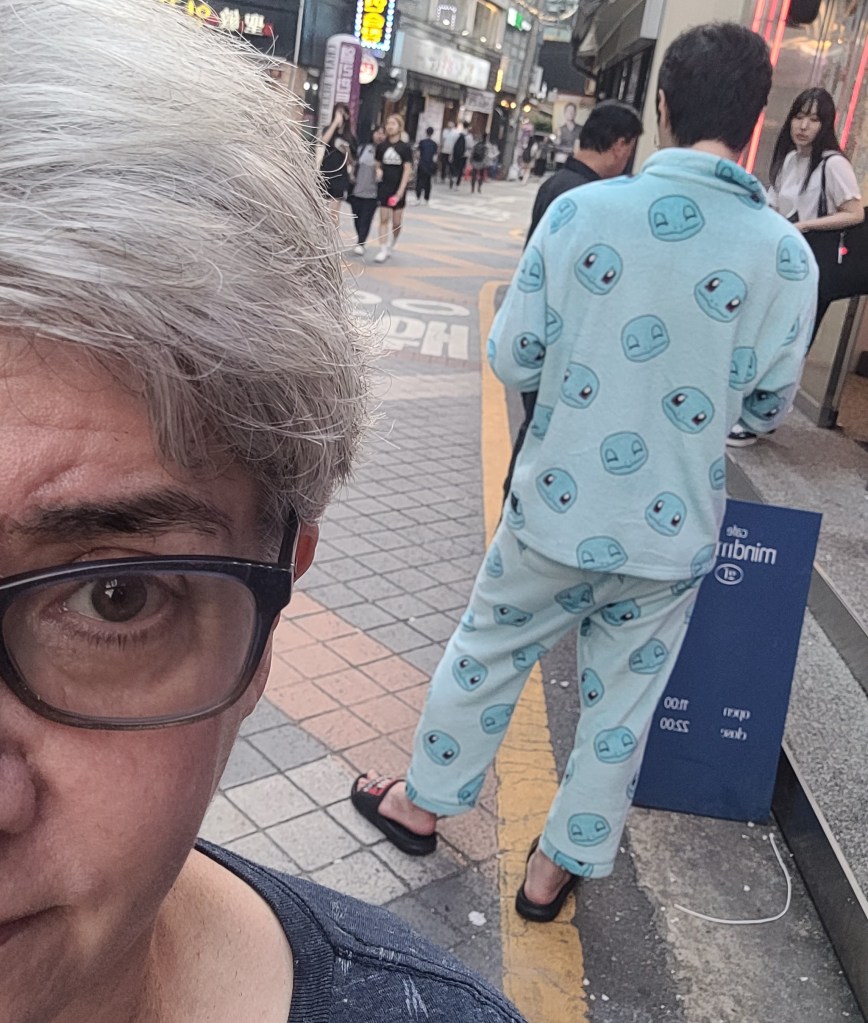
I, on the other hand, have found ways to manage to fit right in.
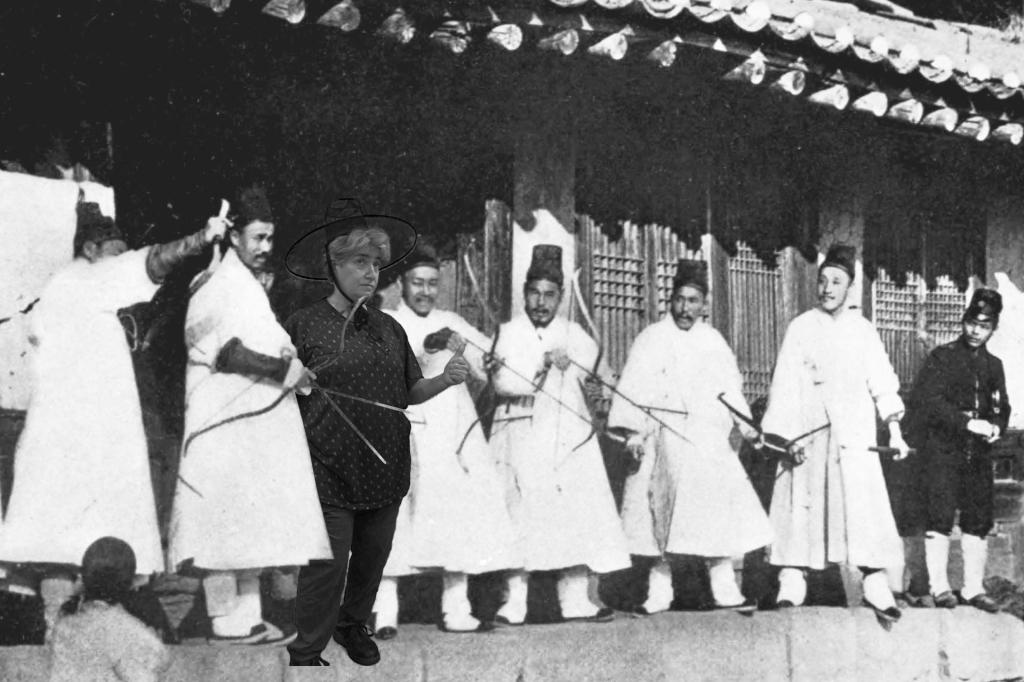
But Where Are The Fashion Rebels?
Of course, not everyone falls in line with all of this. So who are the real fashion rebels of Seoul? OLDER PEOPLE! Older people, who wear whatever the hell they want. They wear red, rust, bright blue with popsicle faces, and electric orange! They wear whatever they damn well please.
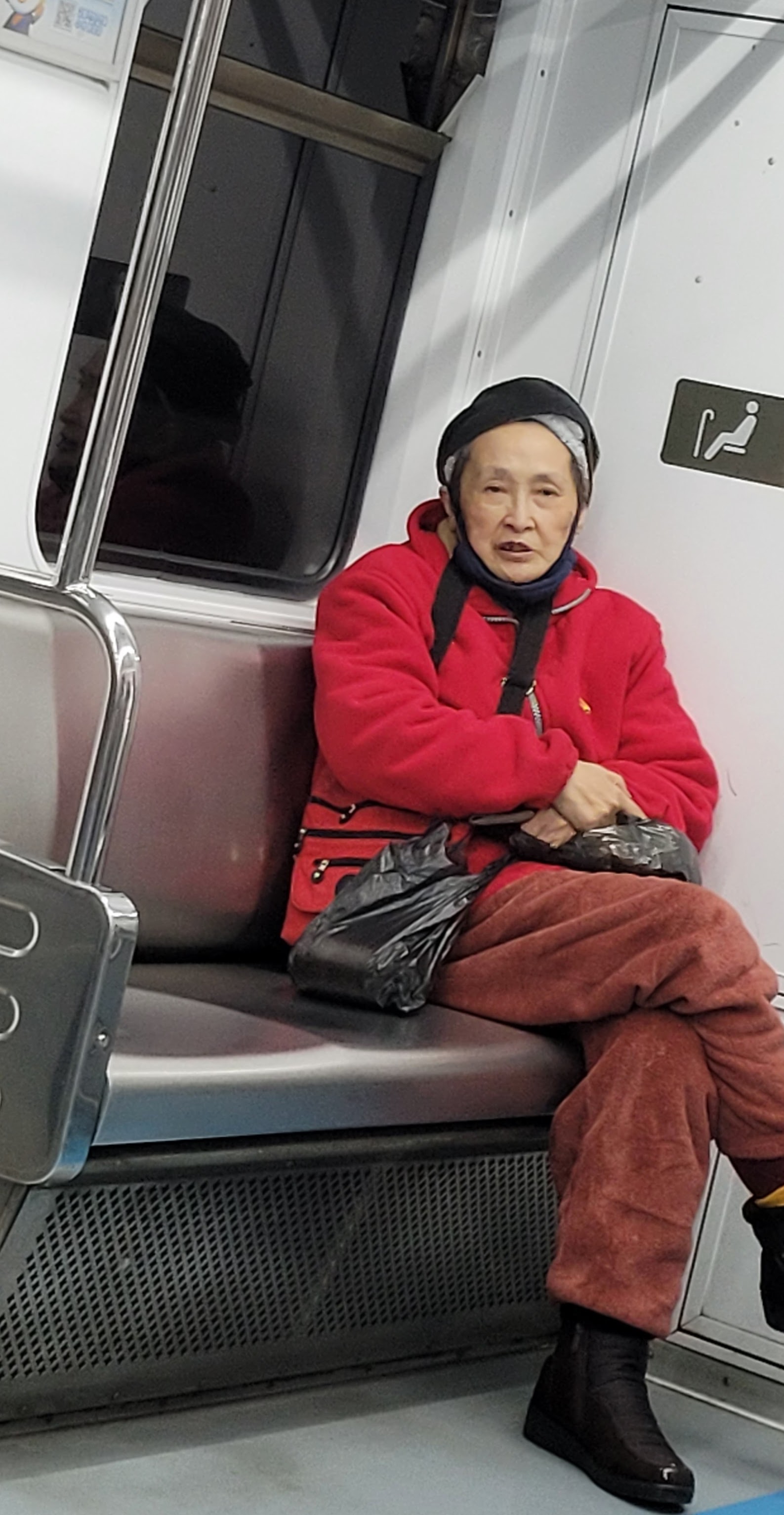
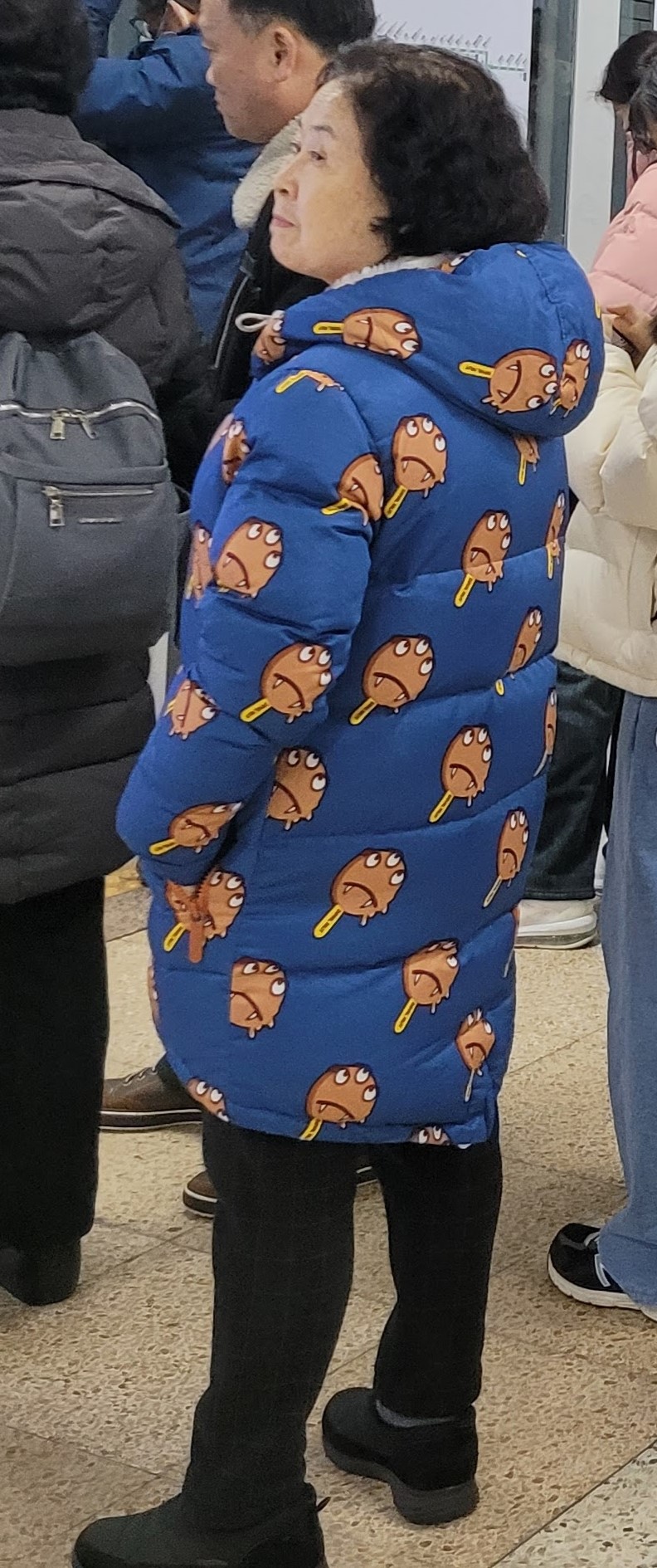
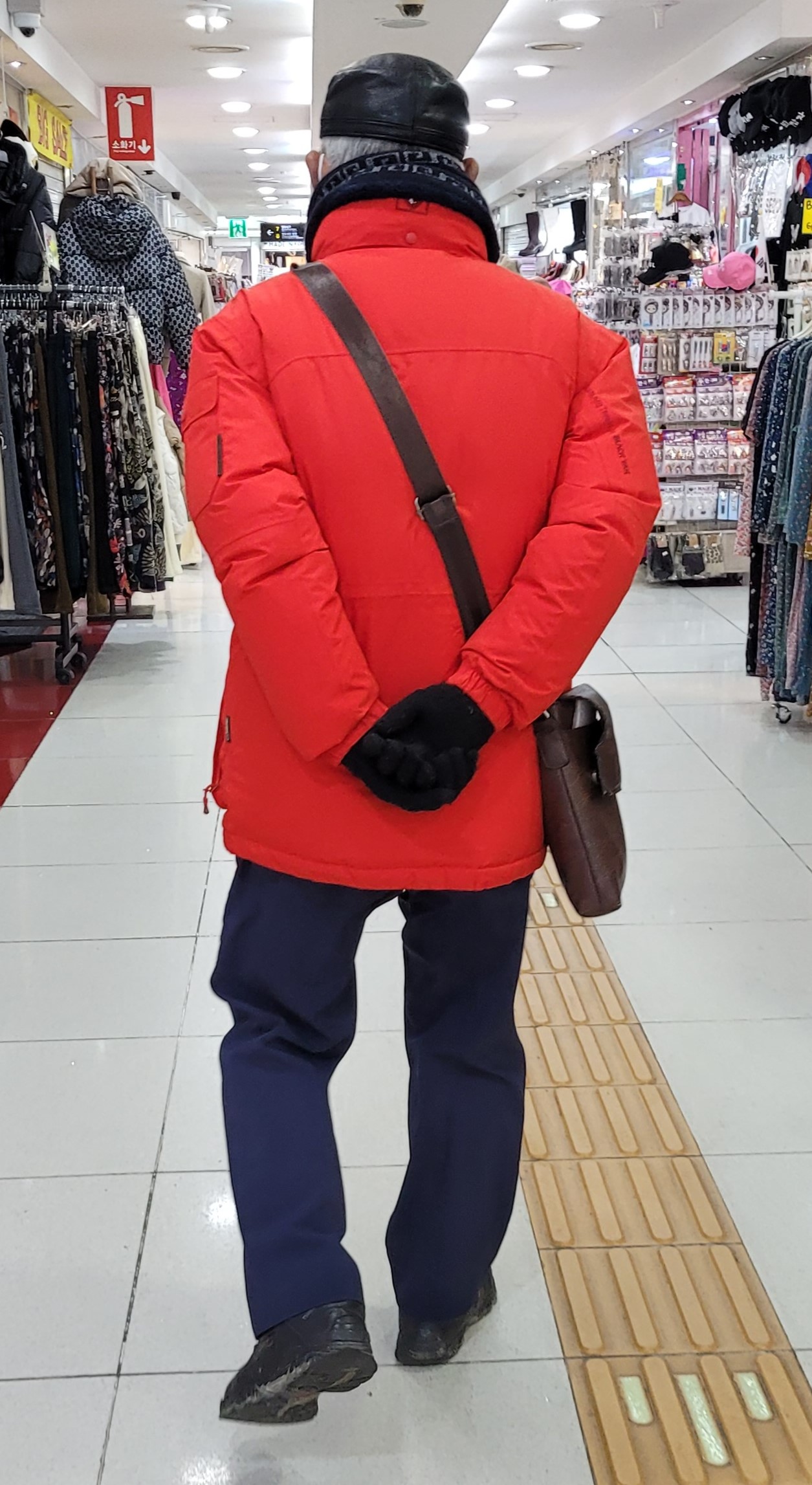
Which is truly great, and which gives everyone something to look forward to: a real age of independence. These folks are our style guides to the future!


 Where No Mangoes
Leave a comment