
I am learning Japanese for skills and confidence.
Here is a really good, confident Japanese sentence:
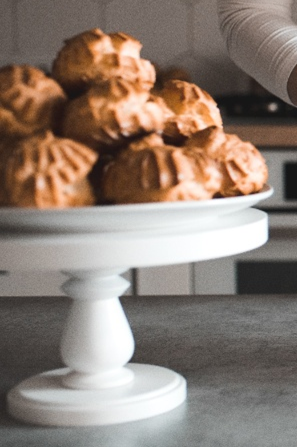
“Shuu-kuriimu o futatsu onegaishimasu.”
“Two cream puffs, please.”
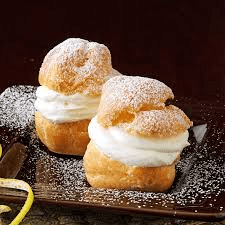
I love learning and speaking Japanese. The words feel musical and are fun to say. You can for example, if you want to, talk about cream puffs.
And already I can see a bright confident future in which I will be able to utter sentences like that one out loud in actual Japanese. Sentences that are longer than my typical two-word ones:
“Good Morning!” “Good Day!” “Good Evening” “That, please!” “Thank you!”
Right now it’s headline news if I can manage a sentence with three words. “I ate lunch.” “It is beautiful.” “I like coffee.”
Mainly I traffic in very simple statements.

“Atsui desu!” “It’s hot!”
That, by the way, is weather-hot.
Which can actually get you a long way conversationally these days in Kyoto since it’s pretty much sweltering here all the time now that it is high summer.

You can just fling that sentence down with no planning whatsoever. “It’s hot!” you say. Nods of agreement all ’round. You absolutely nailed it.
I do not know yet if there is a different hot for things like noodles and tea. (Note to self: must look up noodle-hot in Japanese.)
I do know that there are two different colds in Japanese.
“Samui desu!” “It’s cold!”
That one is the weather-cold.
Although I am not actually sure when one gets to say that around here.
(When does it get cold in Kyoto?)

And there is another cold, the one for icy drinks.

If your drink is cold and you want to comment upon this, perhaps for the sheer novelty of encountering anything cold in sweltering Kyoto, you just toss out a “tsumetai desu!” and everyone knows! That your drink is cold!
My approach to learning Japanese is to put its aspects and specificities into one of two columns. There is the Good column, and then there is the Who The Hell Thought That Was a Good Idea column.
That second column is getting somewhat heavily populated.
Take the Japanese sentences mentioned above. Here’s a news flash: You never pronounce the final “u” in “desu” but it is always written as “desu.” Who The Hell Thought That Was a Good Idea? WTHTTWAGI? I spent my first Japanese class, which was online back in February with Natalie Sensei, copying down “desu,” which was in most of the sentences we were repeating, and then having to go back and cross out the “u” in every single one so I’d remember to never say it.
So, all together now, it’s “Atsui des!” Even though it is not spelled that way. You have to delete the “u” using your brain.
Some students in my online class in February, and the in-person ones I have been attending in Kyoto at the International Community Center, have found it odd to get their heads around the fact that in Japanese sentences, even Japanese sentences of two words, the verb always comes at the end.
I had no trouble with that, as my overall perception going into this entire Japan chapter was: Japanese is going to be totally different. So of course the verbs come at the end. I expected to know nothing about Japanese. And I was right about that. I know nothing about Japanese.
The things in the Good column are really good. Like: Japanese does not have gendered nouns or pronouns! So there are no specific endings to learn depending on if the table is masculine or feminine. In Japanese, it’s just a damn table, which is frankly how I prefer things to be.
The floor is the floor, not a lady floor. Your hand is just your hand, not an irregular masculine noun with a feminine article, even though your hand is attached to your lady body and therefore none of this makes any gendered sense at all.
There seem to be few pronouns to learn in Japanese, and it does not matter if you are talking about one item or many items or objects. Singular or plural — don’t care! You can ask for a coffee or three coffees, and it’s the same coffee. These are really Good things to have in a language!



Also there are no novel sounds to learn to say Japanese words. There is no growling, rolling, or spluttering required. Nothing is aspirated or glottalled or honked through your nose. I know! Best news ever!
But of course it is not so simple. If it were simple, we’d all be speaking Japanese by now.
Now we approach real WTHTTWAGI territory. For starters, Japanese comes in three different alphabets. Three. Different. Alphabets. You can actually write almost any Japanese word in any one of these alphabets, but apparently that was not a suitable option. Though that would have been a suitable option to me. Just pick an alphabet already, and I will learn it.
But no. The Japanese insist on three alphabets. All three at the same time apparently. Many of the signs and printed things I have encountered appear to bask in being a collage of all three alphabets rendered in effortless simultaneity.
But does this truly present, as we literary critics like to say, the concept of insurmountable difficulty?
One Japanese alphabet has 46 letters. With 58 additional sounds made by combining the letters or adding little diacritical marks to them.
ここまで読んでいただきありがとうございます
The next alphabet, which curiously has all the sounds of the first alphabet, has 46 letters. And 33 additional sounds when you combine letters. And another 32 sounds added officially in 1991 by the Japanese government because apparently they didn’t have ENOUGH SOUNDS already. Is anybody keeping track of the total number of letters and letter-combinations to learn? I am up to 214. What’s that? You have 215? Okay, 215 then.
サンク・ユー・フォー・レディング・マイ・ブログ・ウェア・ノー・マンゴーズ
And then there is one more alphabet. The Chinese alphabet. The elaborate logograms called Kanji in Japanese, and Hanzi in Chinese. They are like little pictures and each one has a sound and refers to a concept. Although there are thousands of Kanji, the basic set for common usage to be considered literate in Japanese is 2,136 Kanji characters.
場所 – 芒果 – 鸎 – 位置 – 書 – 著 – 読者 感謝
If you wander online on the trail of understanding Japanese you will find bizarre statements of faux encouragement along the lines of this: “Don’t panic; once you have the first 400-500 Kanji symbols down, the rest tend to follow smoothly. You really only need around 1,200 to read a newspaper or go to work.”
In my darkest hours, usually after doing some Japanese homework for class, I peer into the abyss: I will never read a newspaper. I will never go to work.
So is anything else in the WTHTTWAGI column, you ask? Actually, yes. They have made it very complicated to count things in Japanese. Japanese has systems of counters, which are words for counting things, and there is a different system (or bunch of words to learn) depending on, and here it gets really WTHTTWAGI, the shape of the thing you are counting.
Really.
Now, Japanese does have regular old numbers.
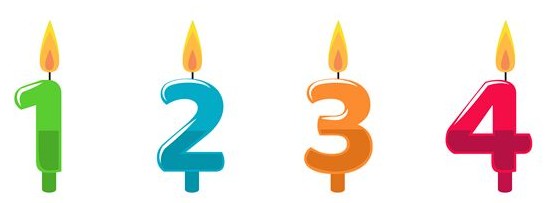
Cardinal numbers.
1, 2, 3, 4.
Ichi, ni, san, yon.
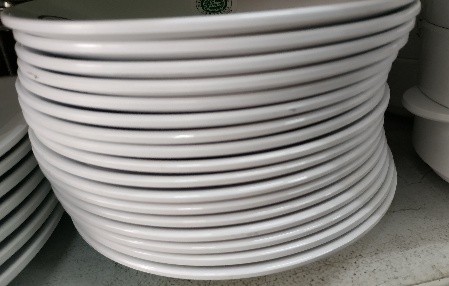
But then there is a stack of words to learn for describing or asking for a number of flat things like shirts, dishes, and pieces of paper. Ichi-mai, ni-mai, san-mai, yon-mai. I’ll have san-mai (3) pieces of paper, please.


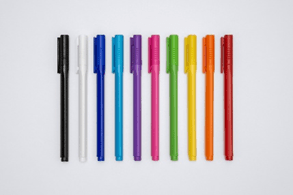
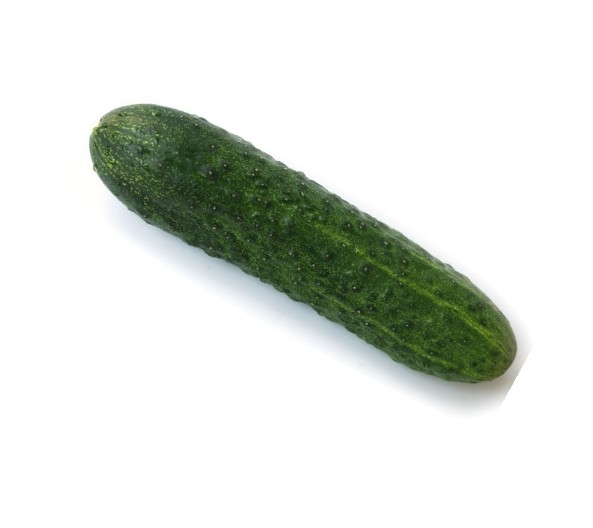
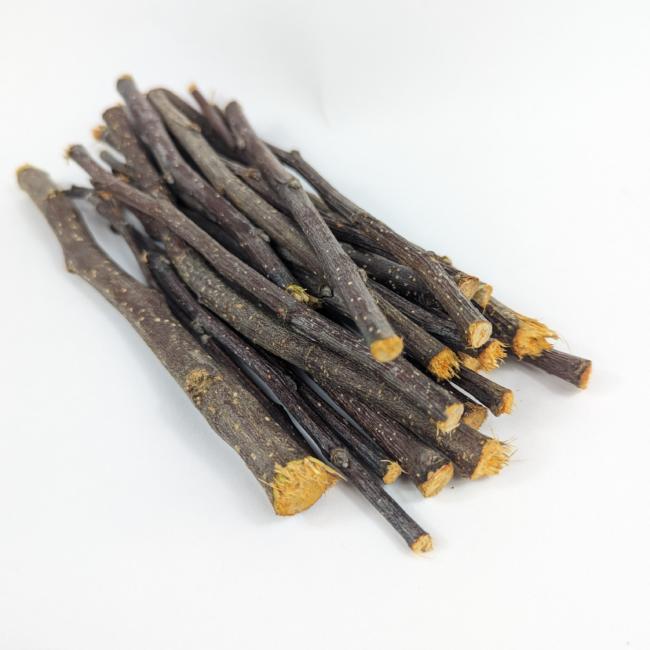
Then there is another stack of words to learn to discuss things that are long and thin, like pens. Or sticks or I suppose cucumbers. Ippon, ni-hon, san-bon, yon-hon. I’ll have yon-hon (4) sticks, please. I am always losing my sticks.
Then there is another stack of words to learn to ask for things that are large and inanimate. Of course. Like cars and desktop computers. Ichi-dai, ni-dai, san-dai, yon-dai. I’d like ni-dai (2) desktop computers, please. One for me, and one for my friend here.


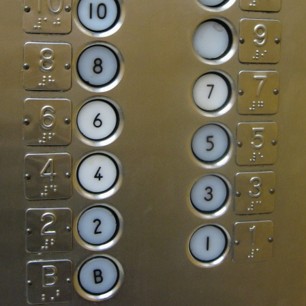
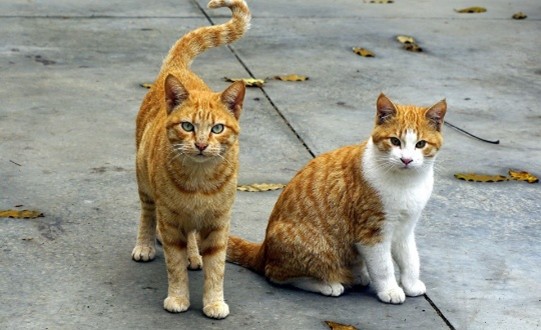
There are counters for money, books, floors in a building, shoes, small animals (cats and dogs), and large animals (llamas).



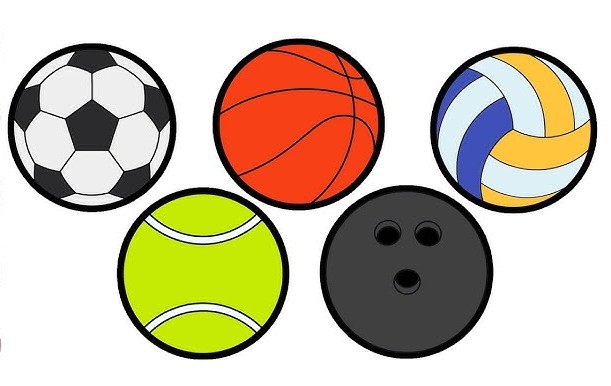
There are many counters. There are counters specifically for small, round objects, for which my book mentions “fruits, sports balls, and trinkets.” Fruits, sports balls, and trinkets are counted with “ko”: ikko, nikko, sanko, yonko. I’d like ikko (1) sports balls, please.

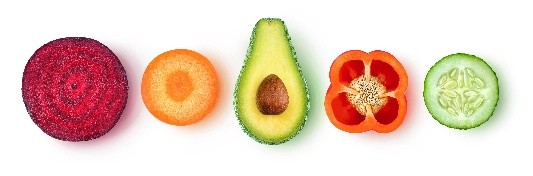
And small inanimate objects, the examples for which my book gives as eggs, tomatoes, and hamburgers. Hitotsu, futatsu, mittsu, yottsu. I’ll have mittsu (3) hamburgers, please! ‘Cause I’m hungry. This set of counters can also be used more generally if you can’t recall the specific counter for an object. These are the safety-net stack of counters.
Unless you are mentioning the number of people, in which case using the general counters for things is incorrect and rude. We want to avoid rude at all costs, so we have to remember this special set of people counters: Hitori, futari, san-nin, yonin. Look! There are san-nin (3) people! Let’s get them mittsu (3) hamburgers, why don’t we?
Incidentally, my favorite counter so far is kokonotsu, which means nine general things. Say it out loud and you will readily figure out why I like it so much.
I had this sort of naïve dream that one day I would learn all of this numbering vocabulary — that despite there being absolute stacks of them, I could absorb them all and dazzle people with my correct counting words.
I’d be the suavest shopper in the supermarket: “I’ll take sanbon (3) cucumbers, ni-mai (2) slices of cheese, nanasatsu (7) books, and hachitou (8) llamas, please.”
What a day that would be!
But then in class last week when we were going over lists of various counters, our teacher, Nakajima Sensei, said that she’d never learned them all. Which sank my ichi-dai (1) ship of hope to the bottom of the hitotsu (1) ocean. Japanese people do not know all the counters? There may be no hope for the rest of us learners.
But I did have a moment of Japanese-speaking triumph recently. Which means all is not lost! Because I got to deploy my best Japanese sentence in the correct context. This was completely unforeseen because I had never expected to get to use it. I just thought it up and learned it for fun one day during the winter because I had this cat staying with me back in Philadelphia named Junior — he was a Super Bowl party refugee displaced by his penchant for leaping onto the food table, and three months later he was somehow still at my place — and the sentence just stuck in my brain. I have already shared it in a previous post, and here it is again, made slightly more polite, followed by the imagined correct response:
“Sumimasen, sore wa neko desu ka?” “Excuse me, is that a cat?”
“Hai, kore wa neko desu! Why yes, this is a cat!”
I promise, you’re gonna see it coming in this story. The fit is so perfect. Purrfect.
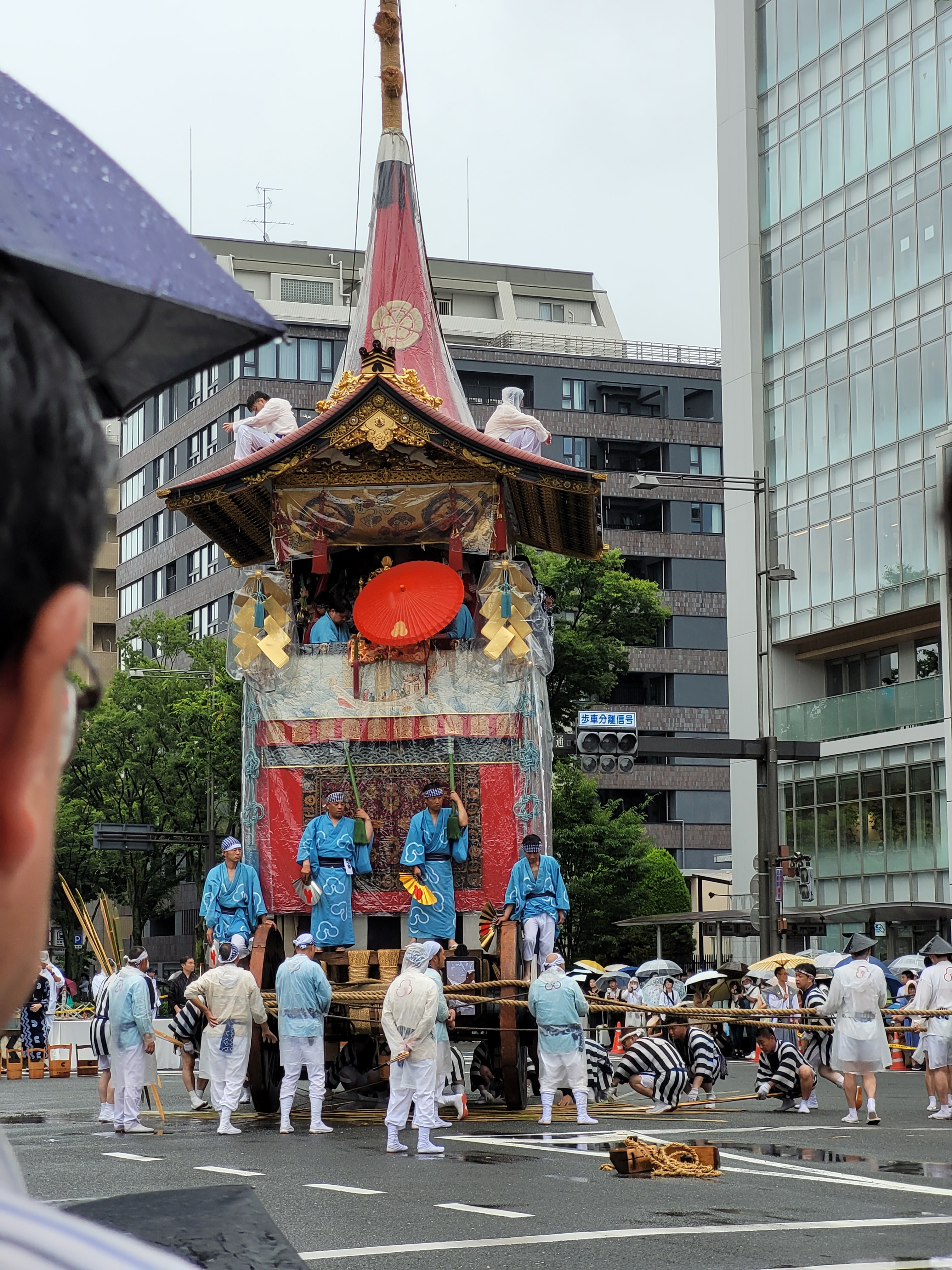
So, the entire month of July in Kyoto is the Gion Matsuri festival. I said my best Japanese sentence on July 15th, the second night of the Yoiyama Night Festival part of Gion Matsuri, which leads up to the giant Saki Matsuri Yamaboko parade. The month-long Gion Matsuri festival is an ancient annual event dating from the 9th century. In the year 869 a terrible plague hit Kyoto and a ceremony was organized at the Yasaka Shinto Shrine to repel the evils infesting the stricken city. Despite Japan’s turbulent history, Gion Matsuri has survived and its giant wooden floats continue to be pulled by huge crews of men in traditional attire to this day, to the genuine delight and pride of the people of Kyoto.
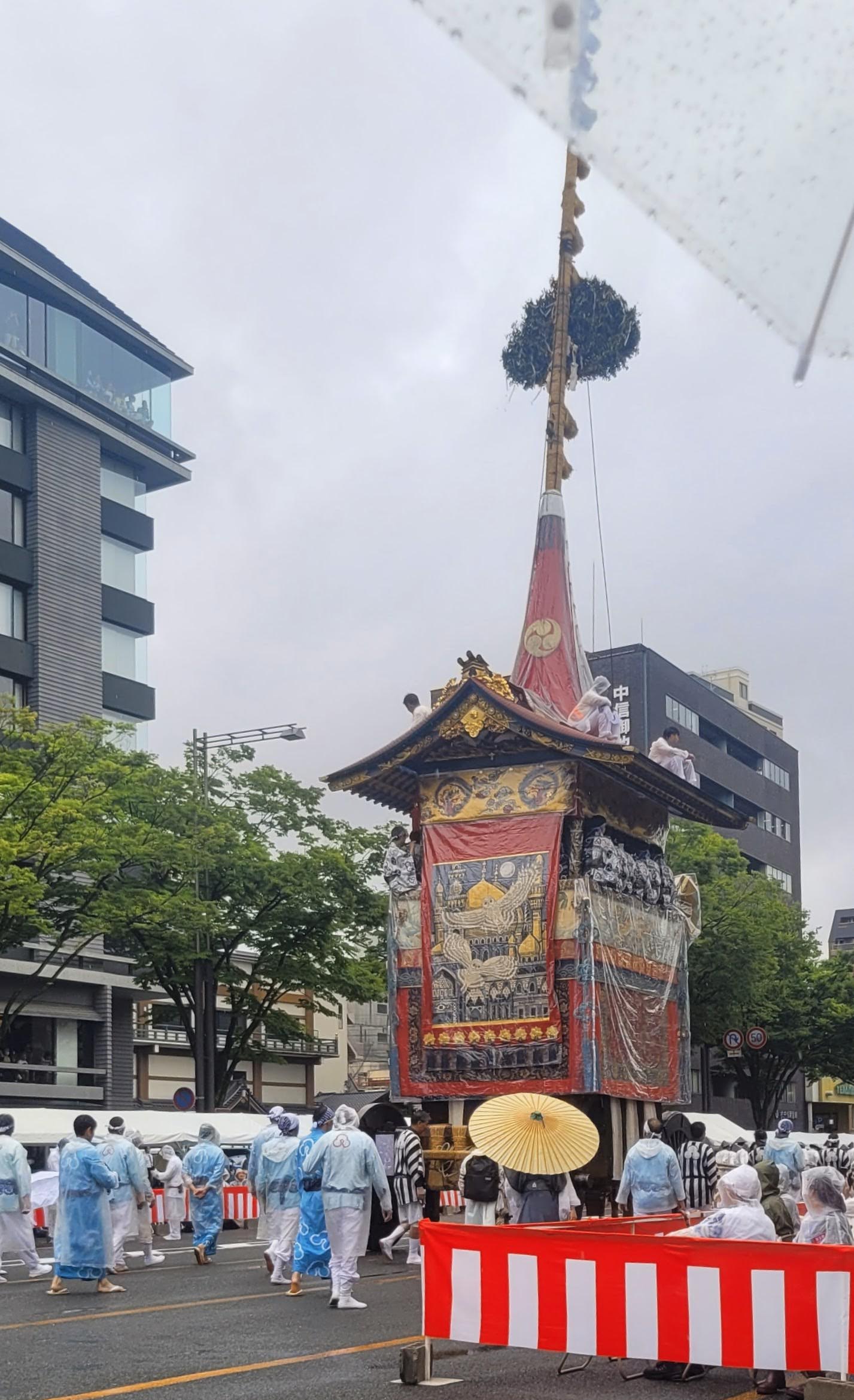
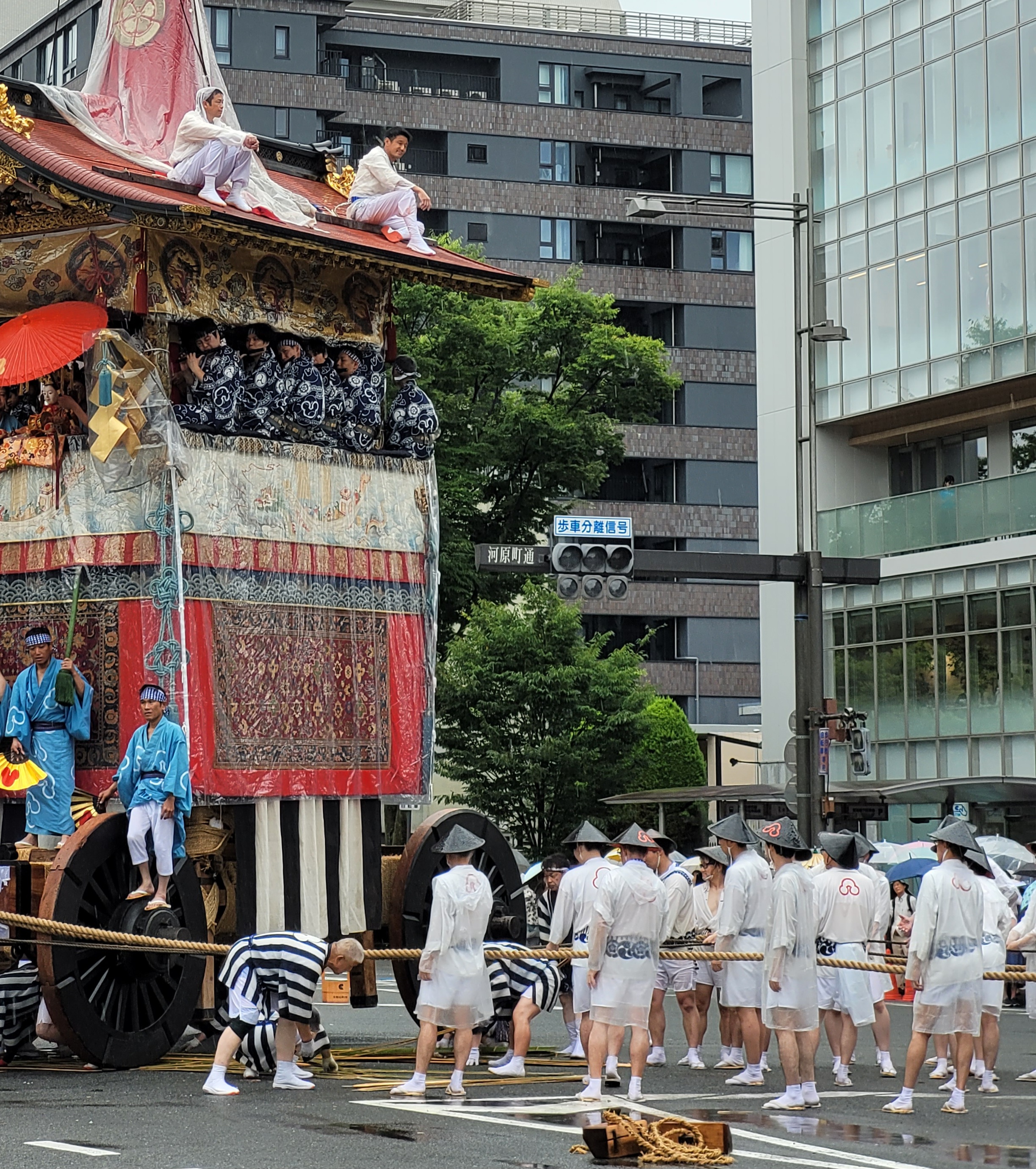
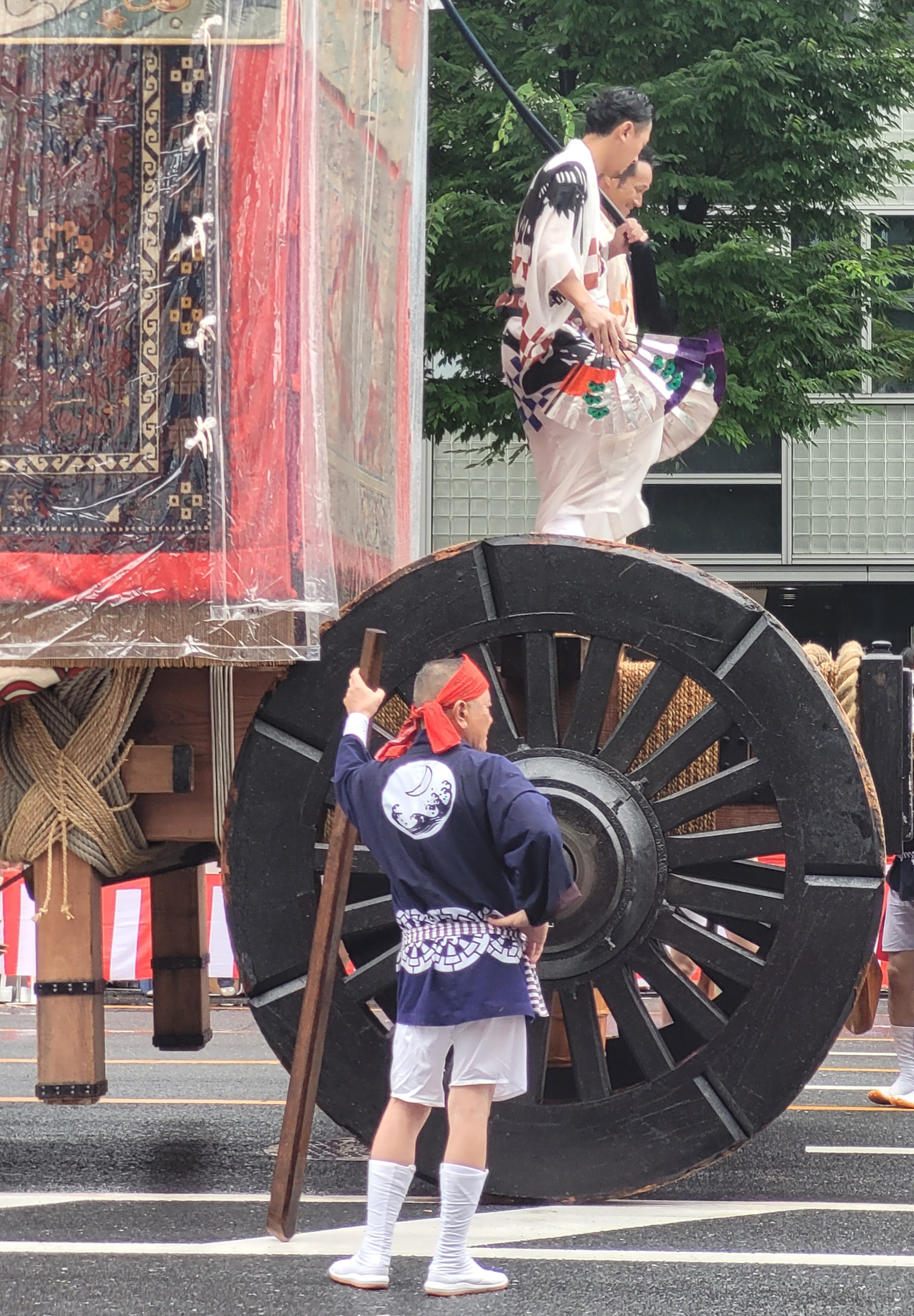
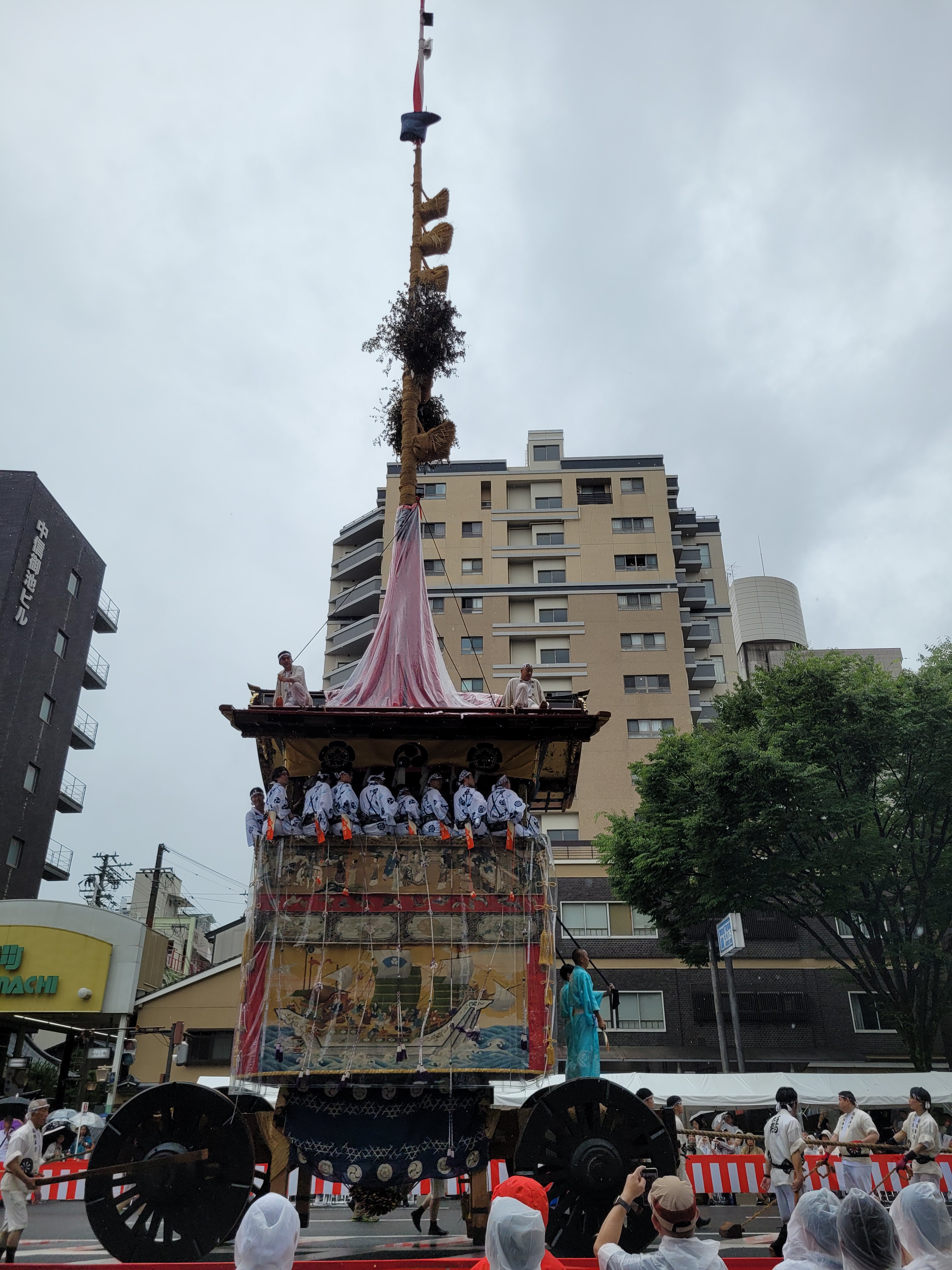
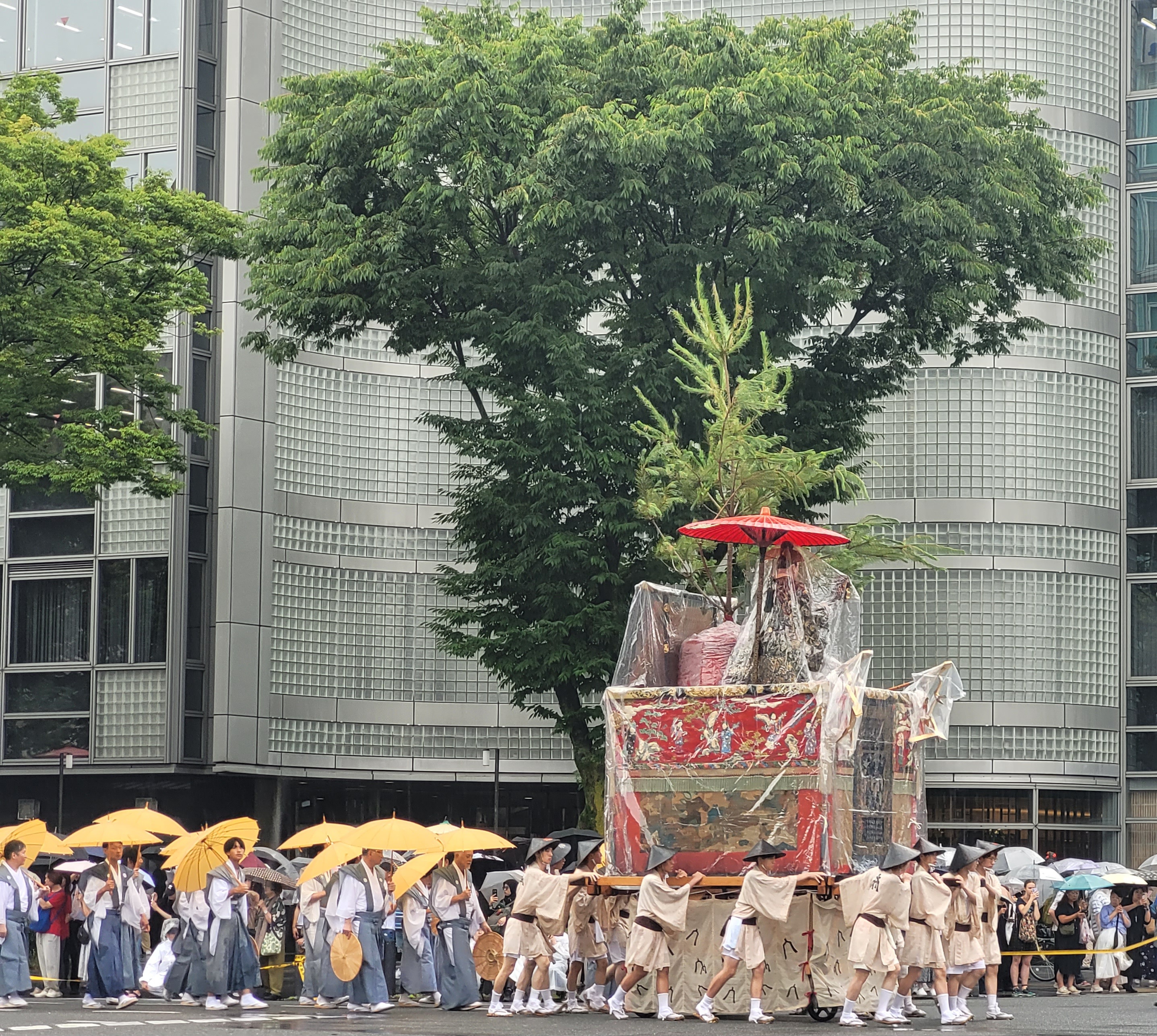
As I was saying, I went to the second night of the Yoiyama Night Festival. Of course, each night of this 3-night party has a different name. The first night is called Yoiyoiyoiyama. The second night is called Yoiyoiyama. (I attended Yoiyoiyama.) The third night is called Yoiyama. And the next day is the parade! They they repeat the whole thing again a week later, with 3 nights of street parties and a different group of floats which roll along the same parade route but in reverse, back to the start. There is also a night procession of smaller, portable shrines, and some special exhibits, and music, and then: spiritual equilibrium in Kyoto is protected for another year! Gion Matsuri is a gigantic purification ritual for the entire city.
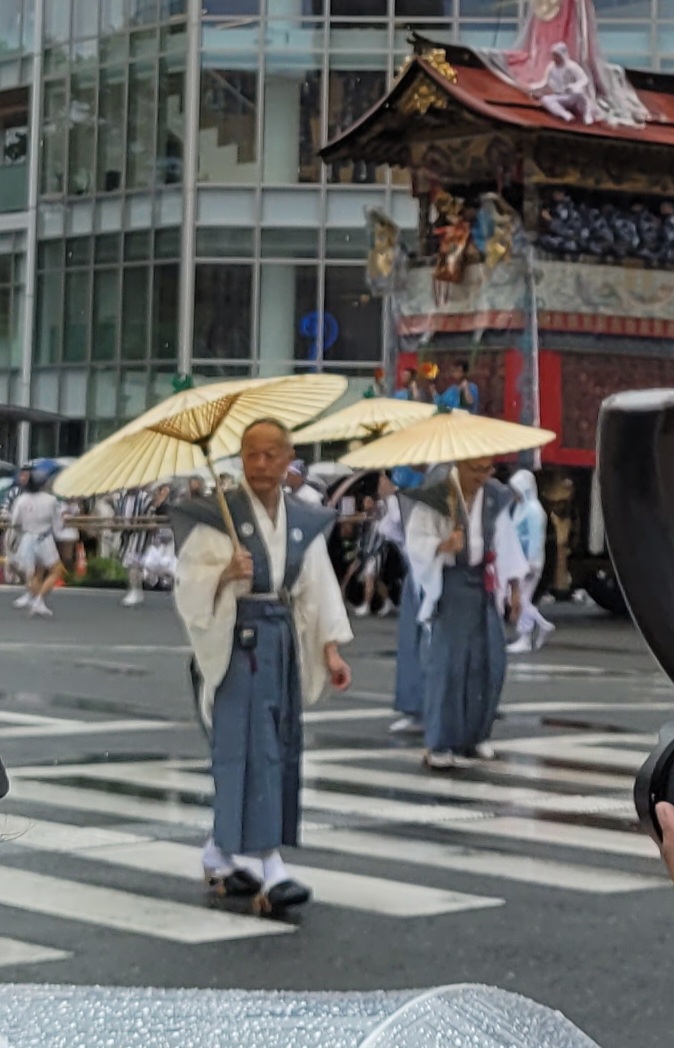
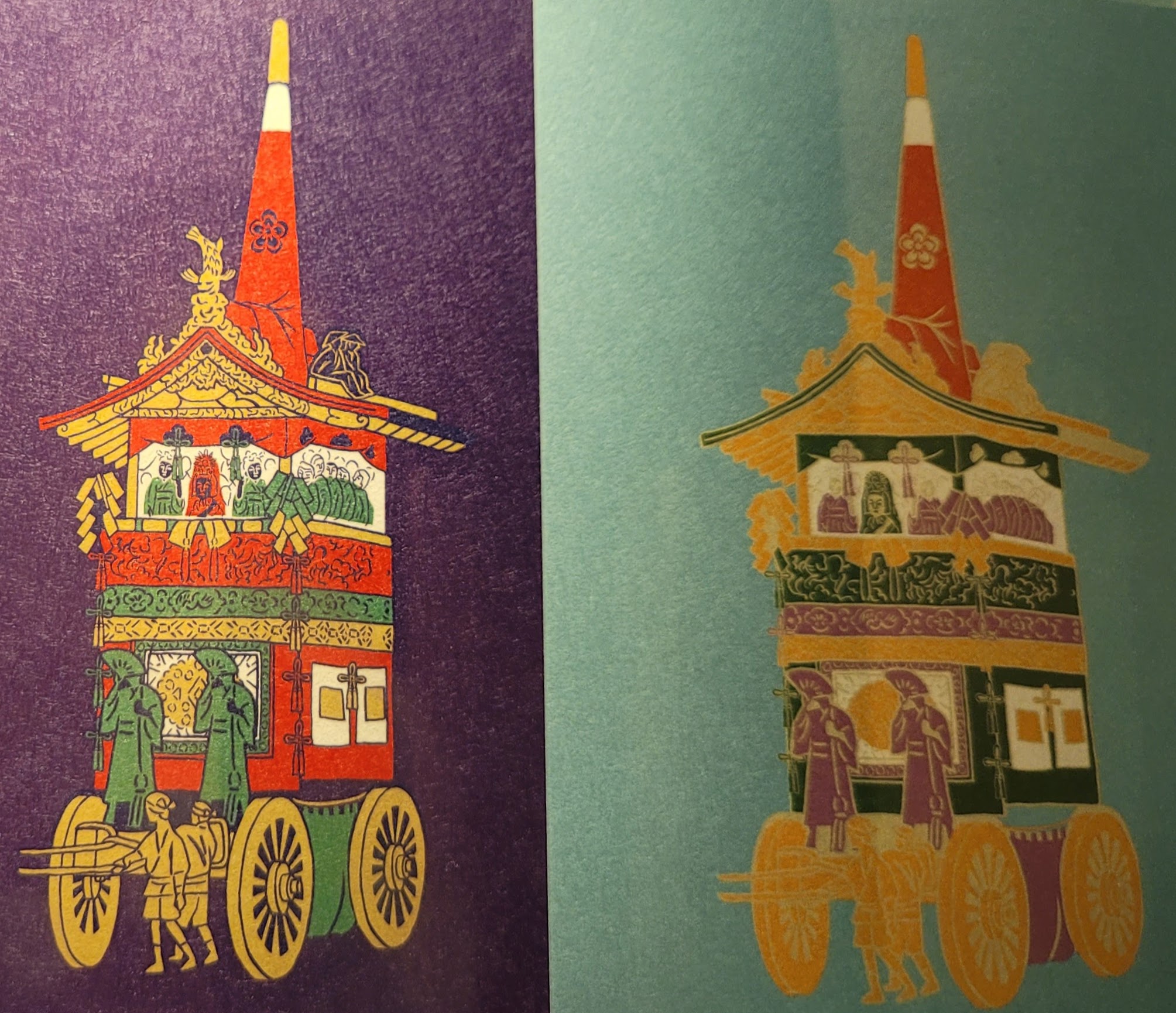
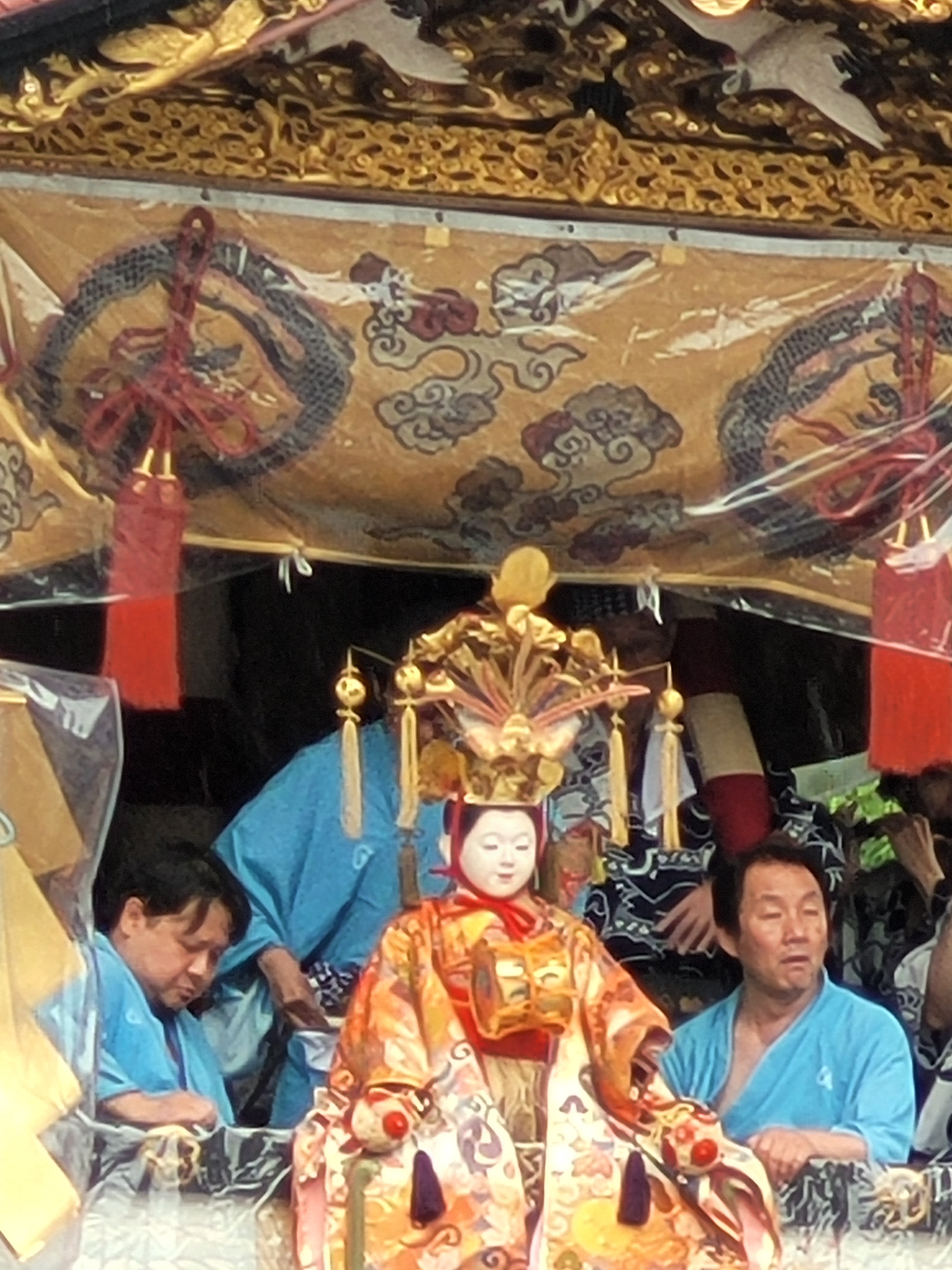
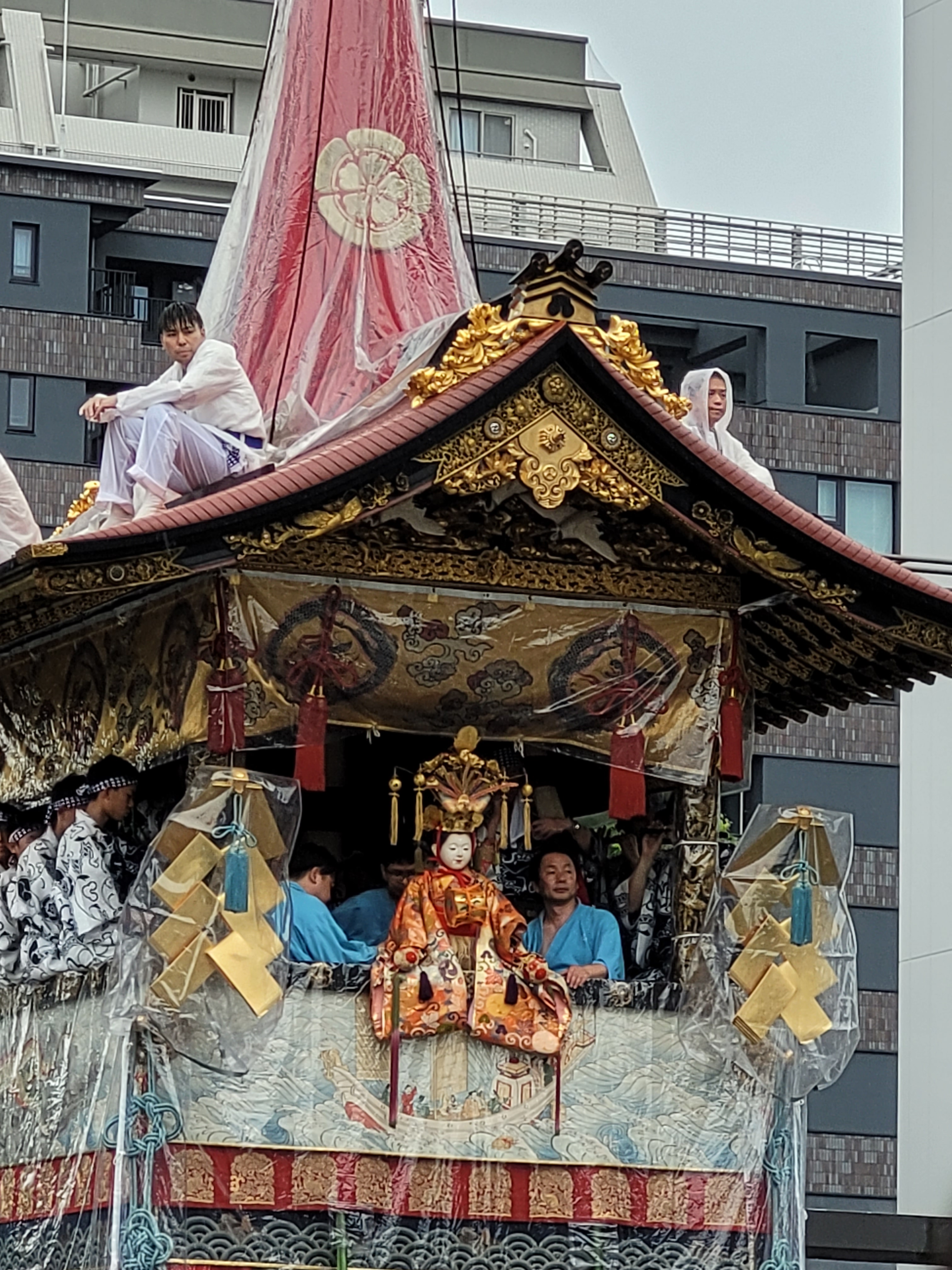
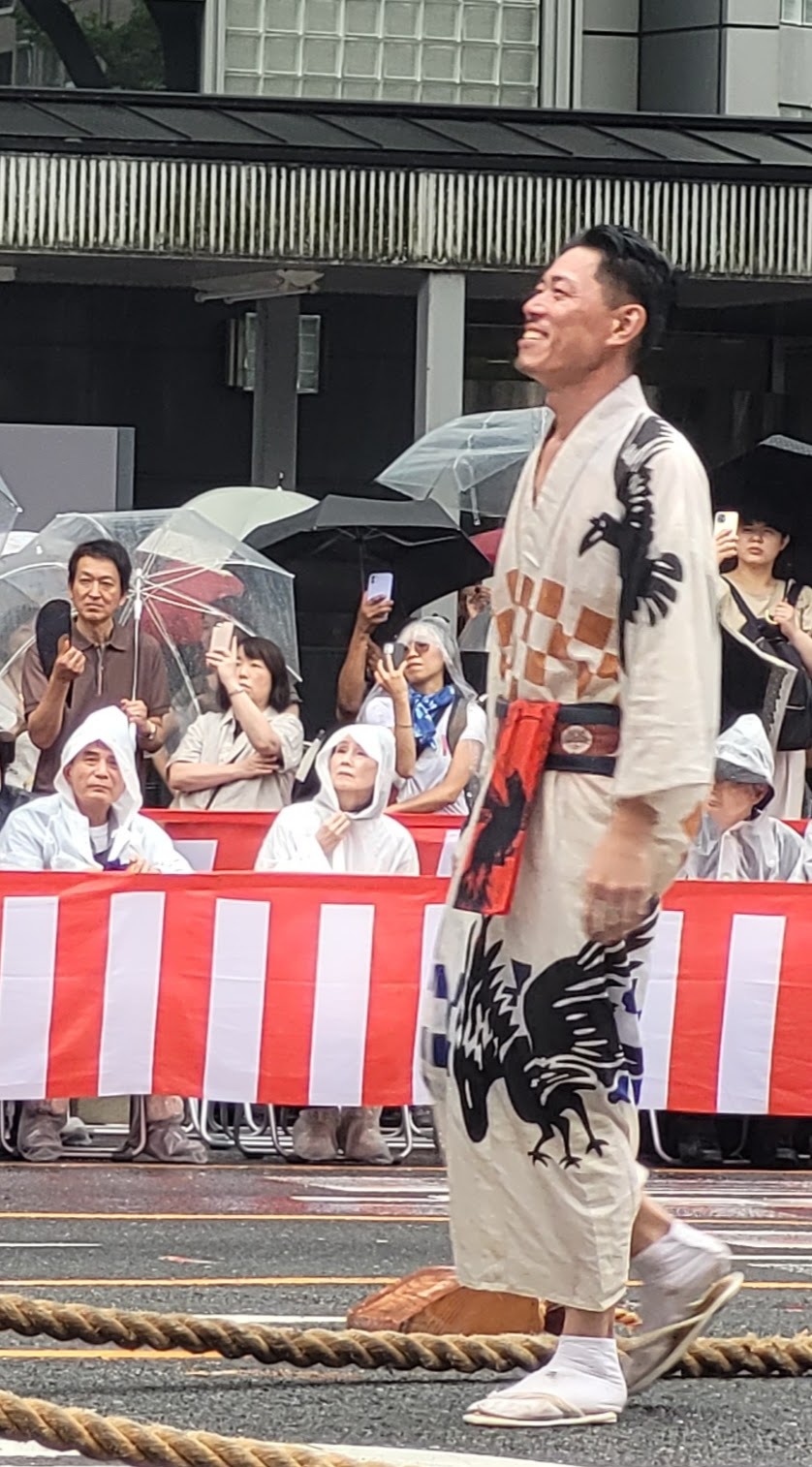
Yoi, you readers — the night festival was magical!
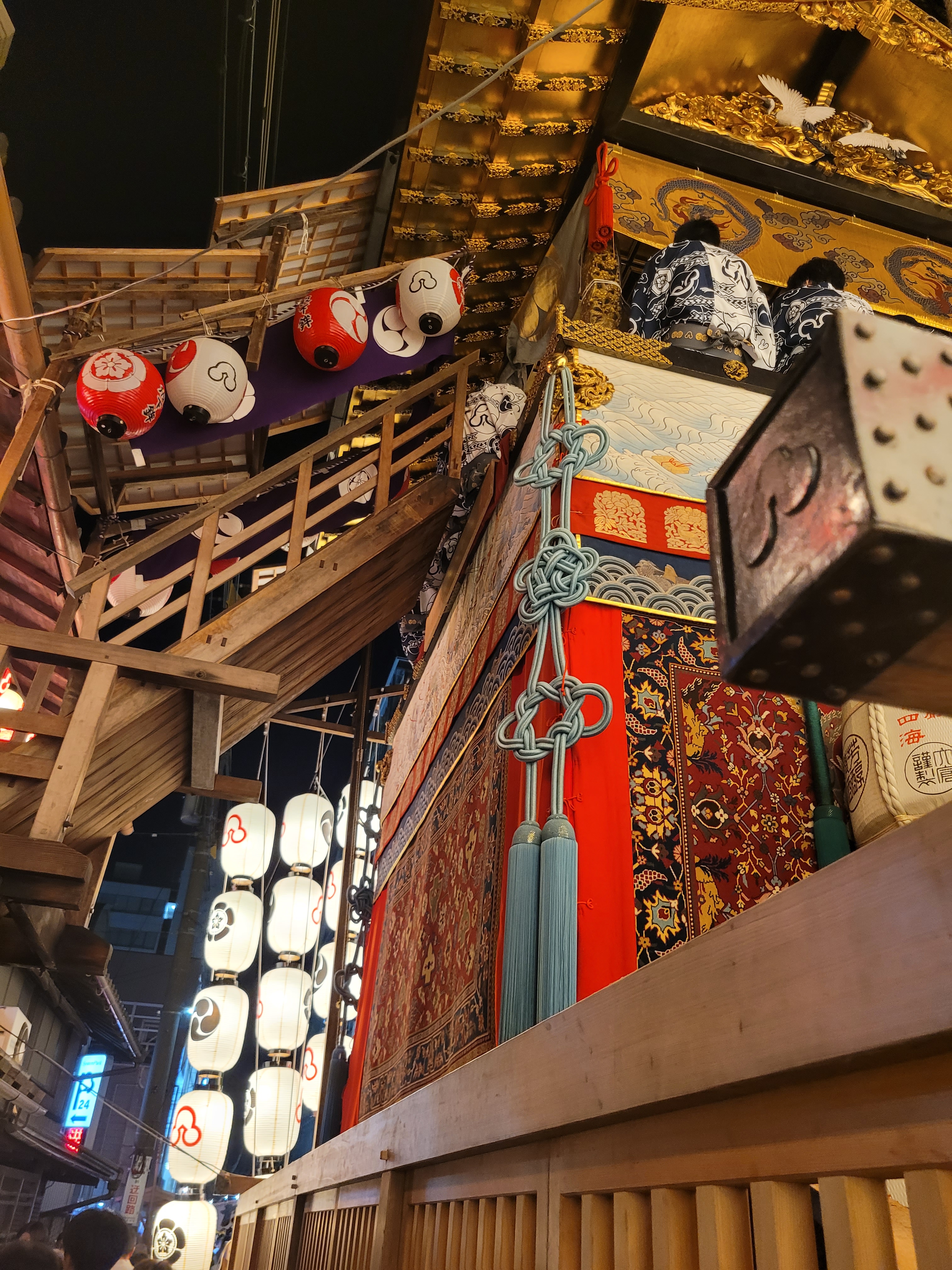
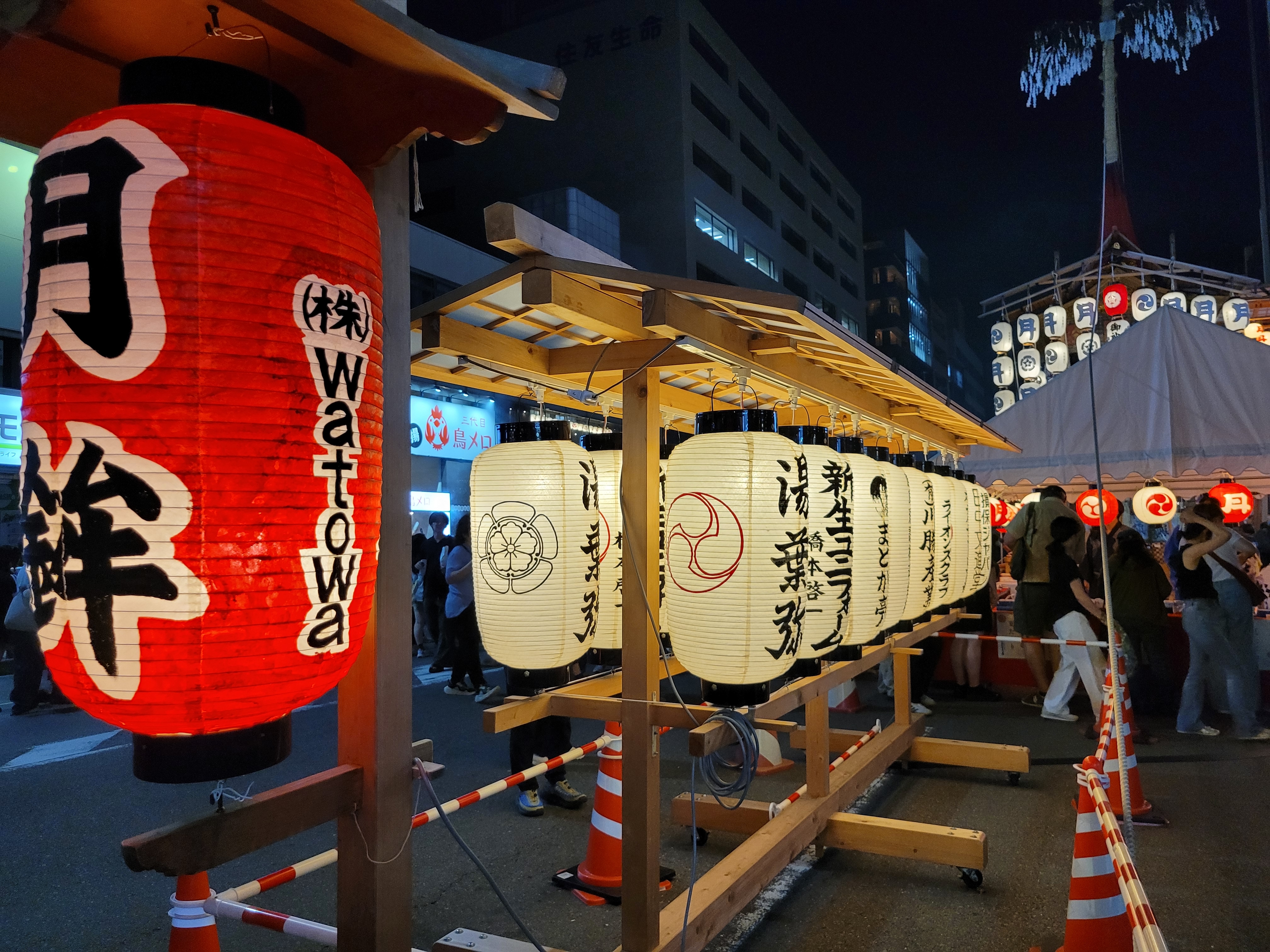
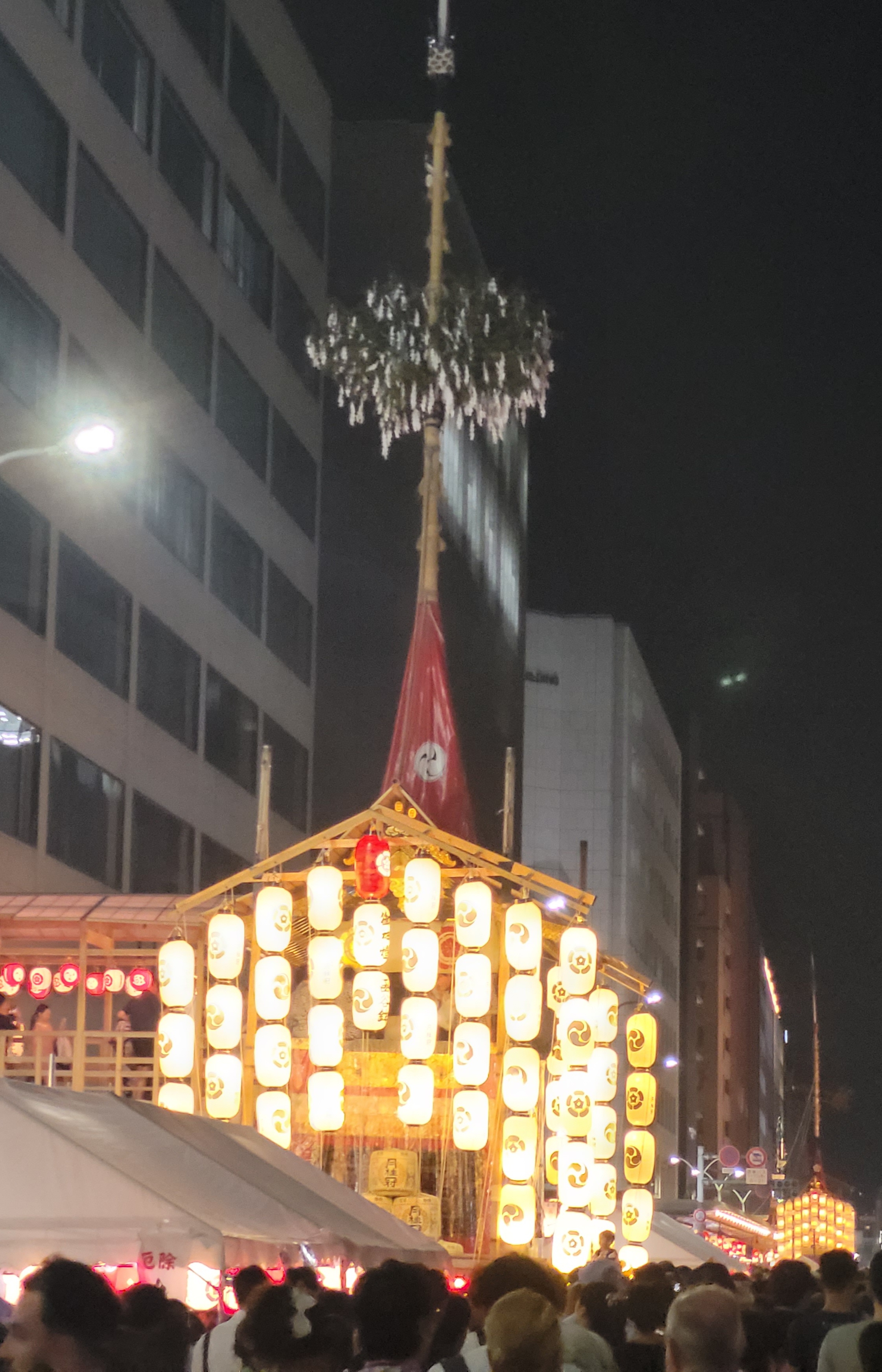
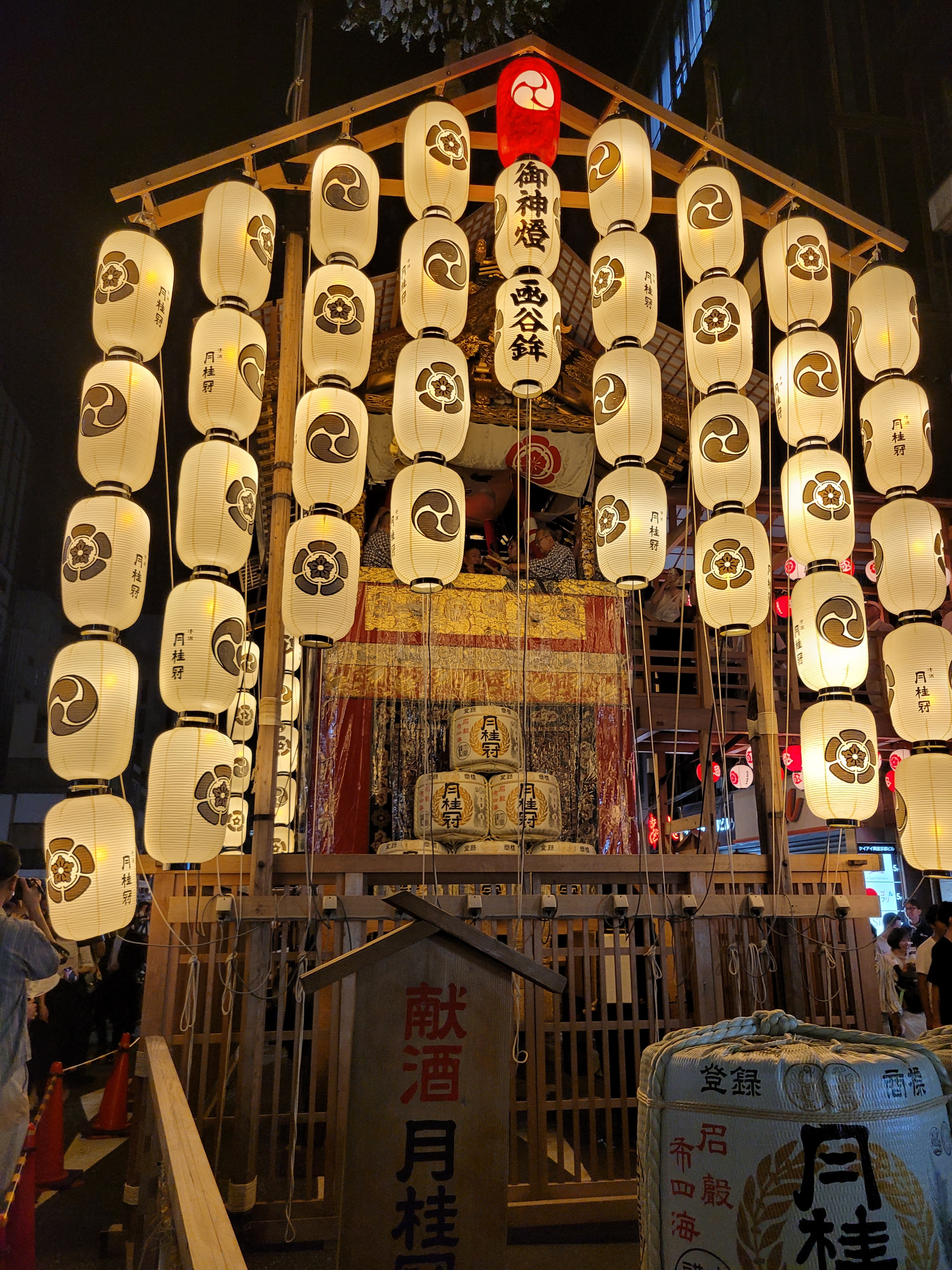
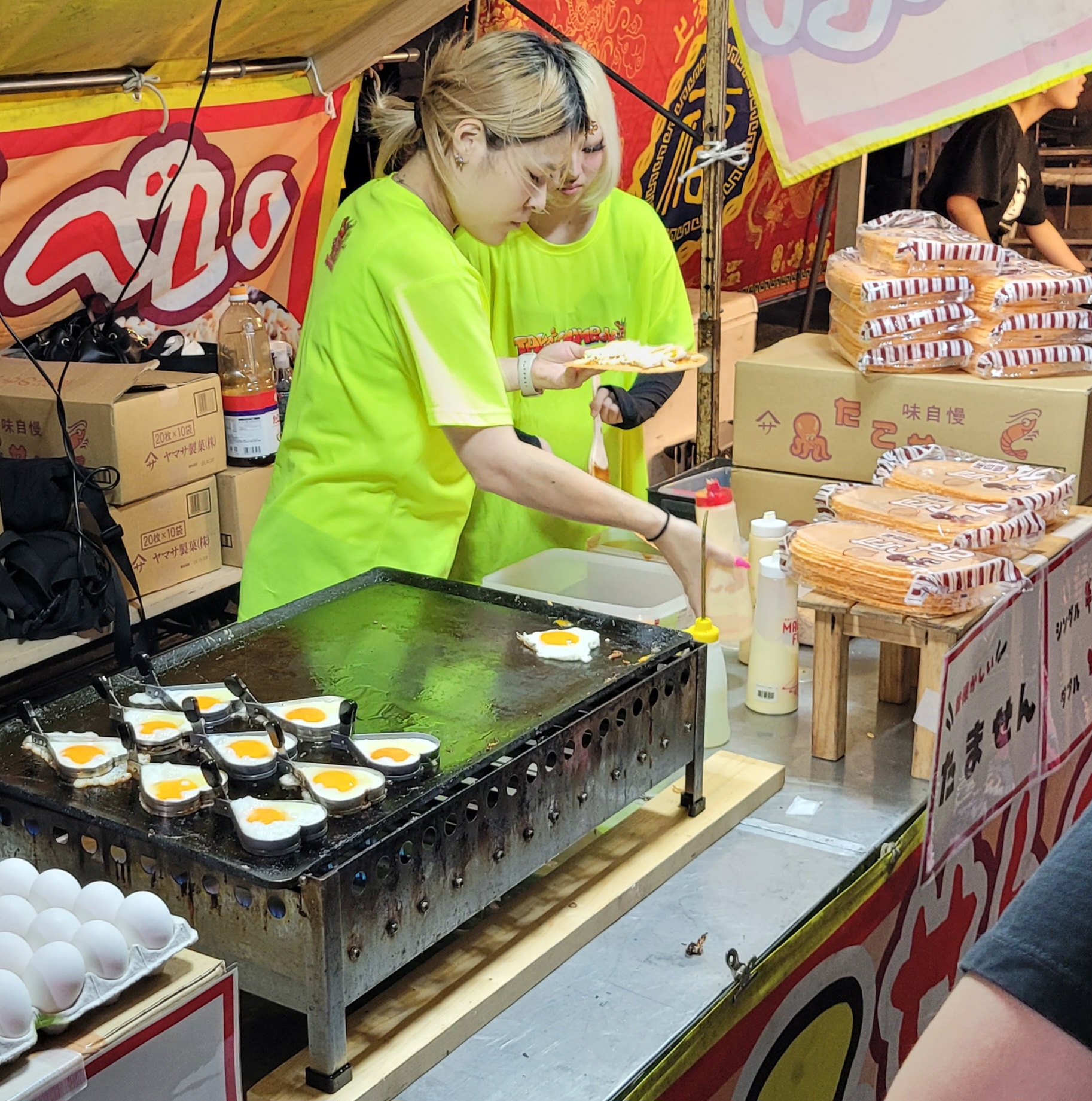
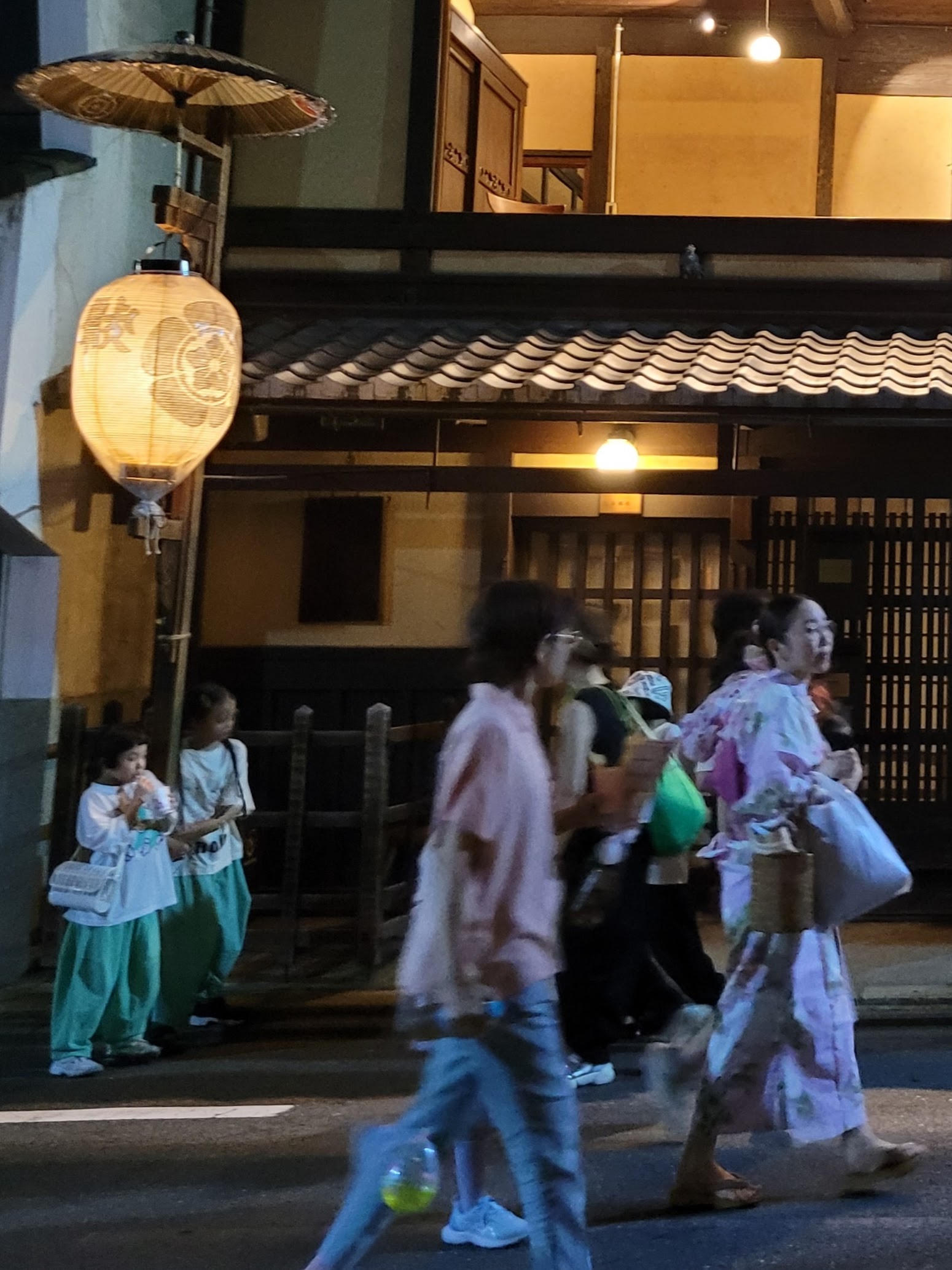
It was such a wonderful street party, with a huge section of the city shut down to traffic. Some streets were lined with game stalls for families and kids, and others were full of street foods. There was live music and acrobats. Many people were dressed in traditional outfits, especially children. And as part of the festival, many traditional houses in the area were set up like mini-museums, with their screens open and treasures and artifacts on display.
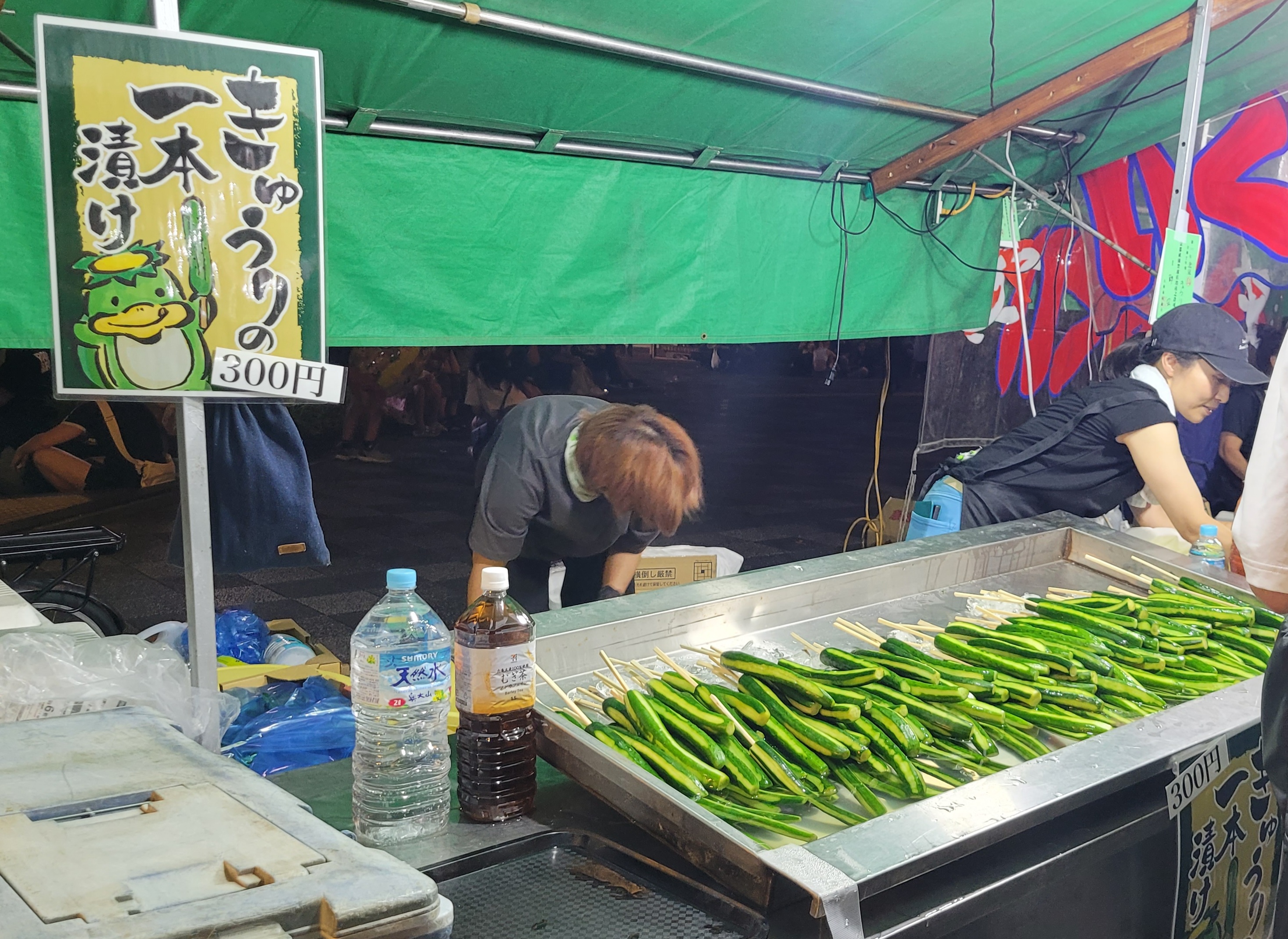
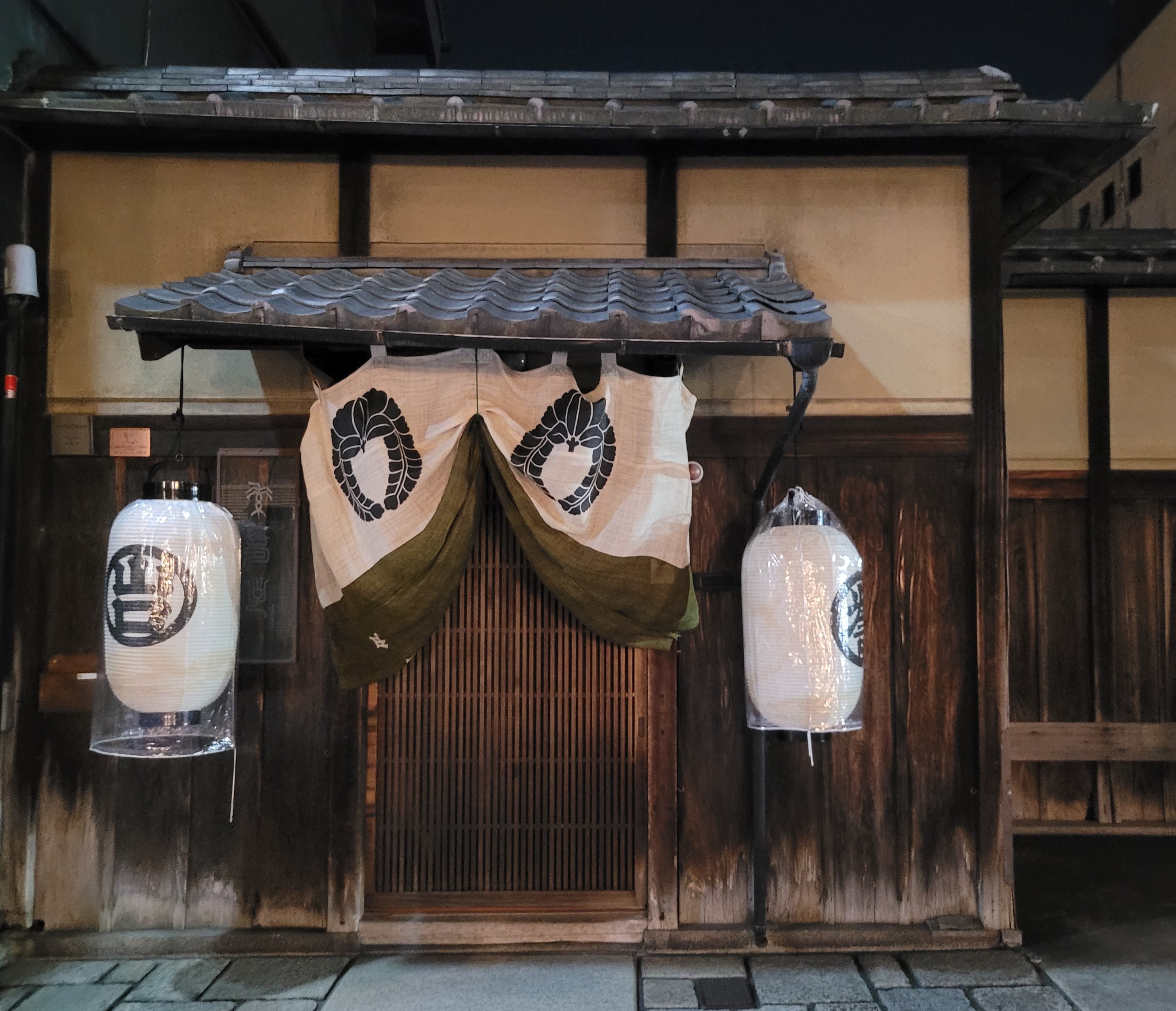
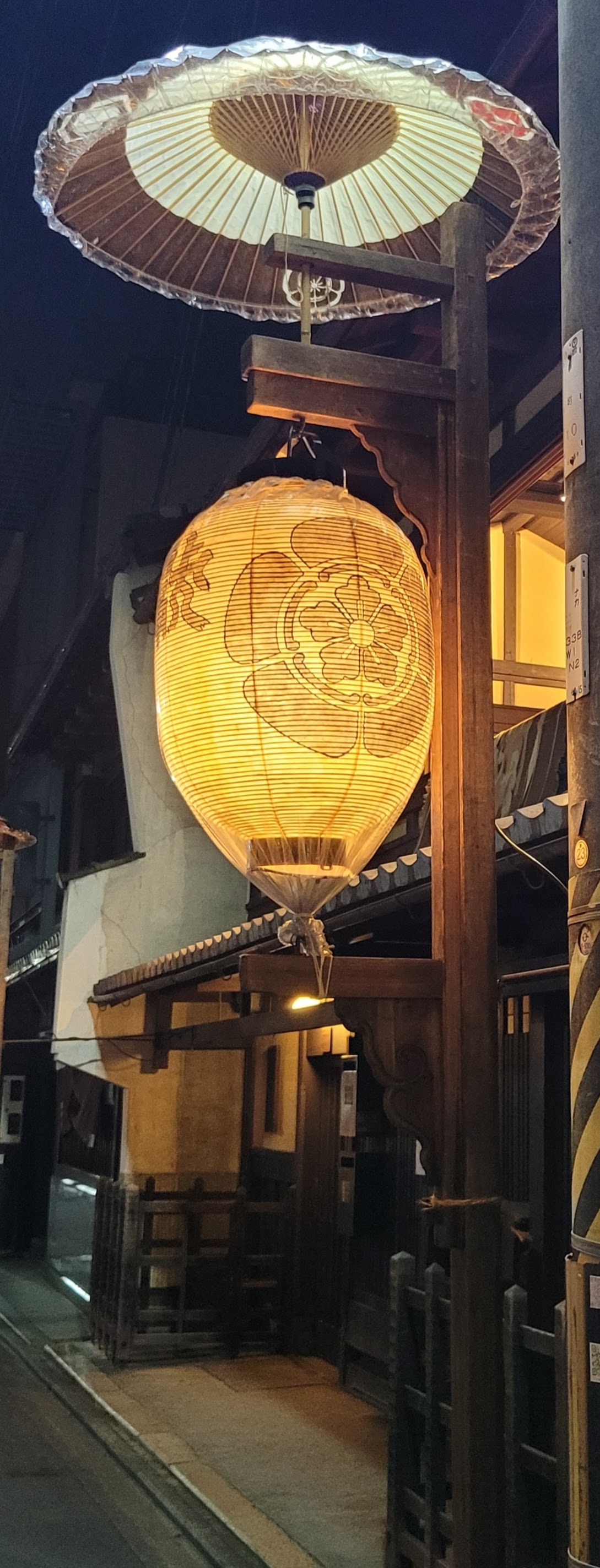
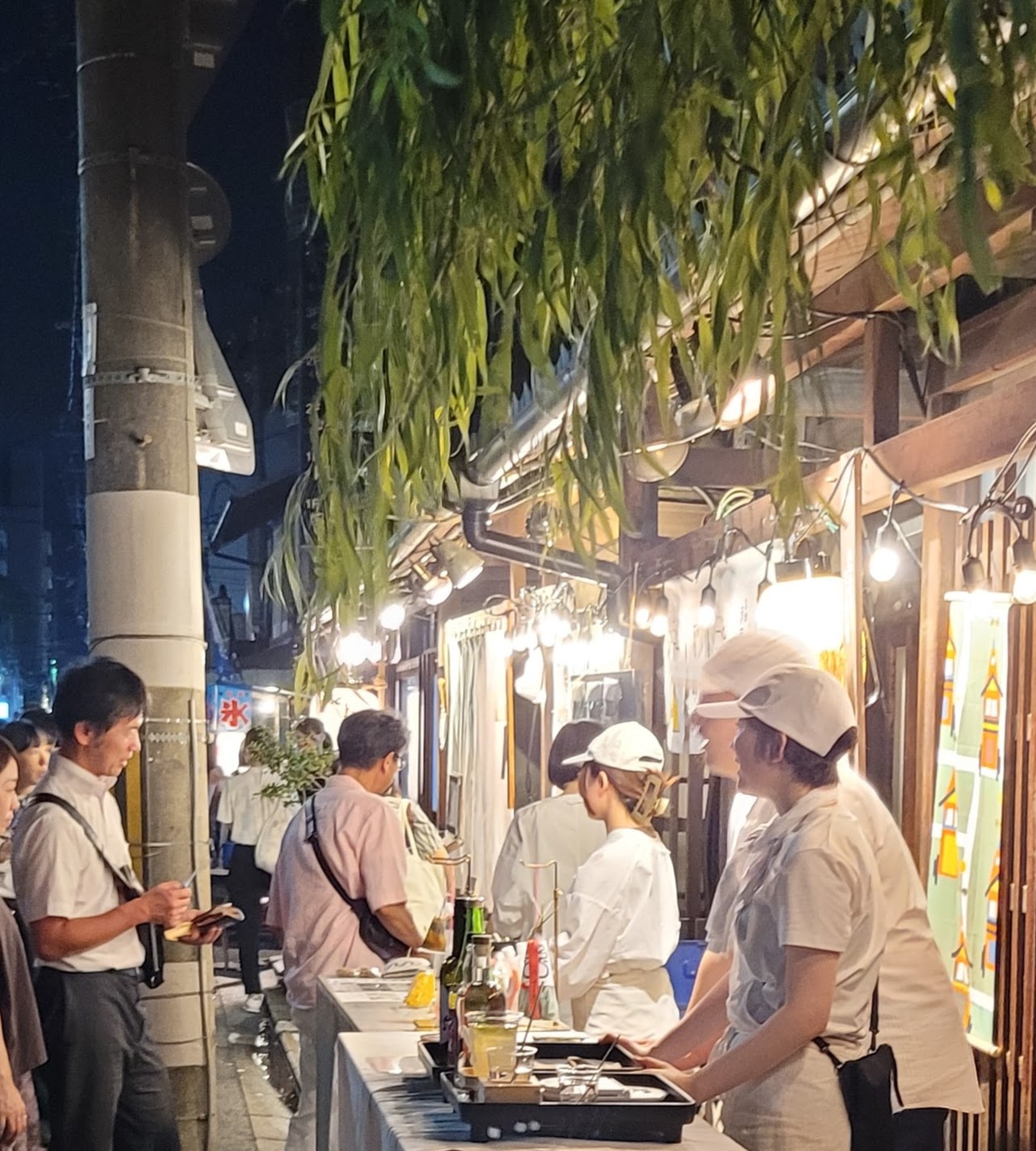
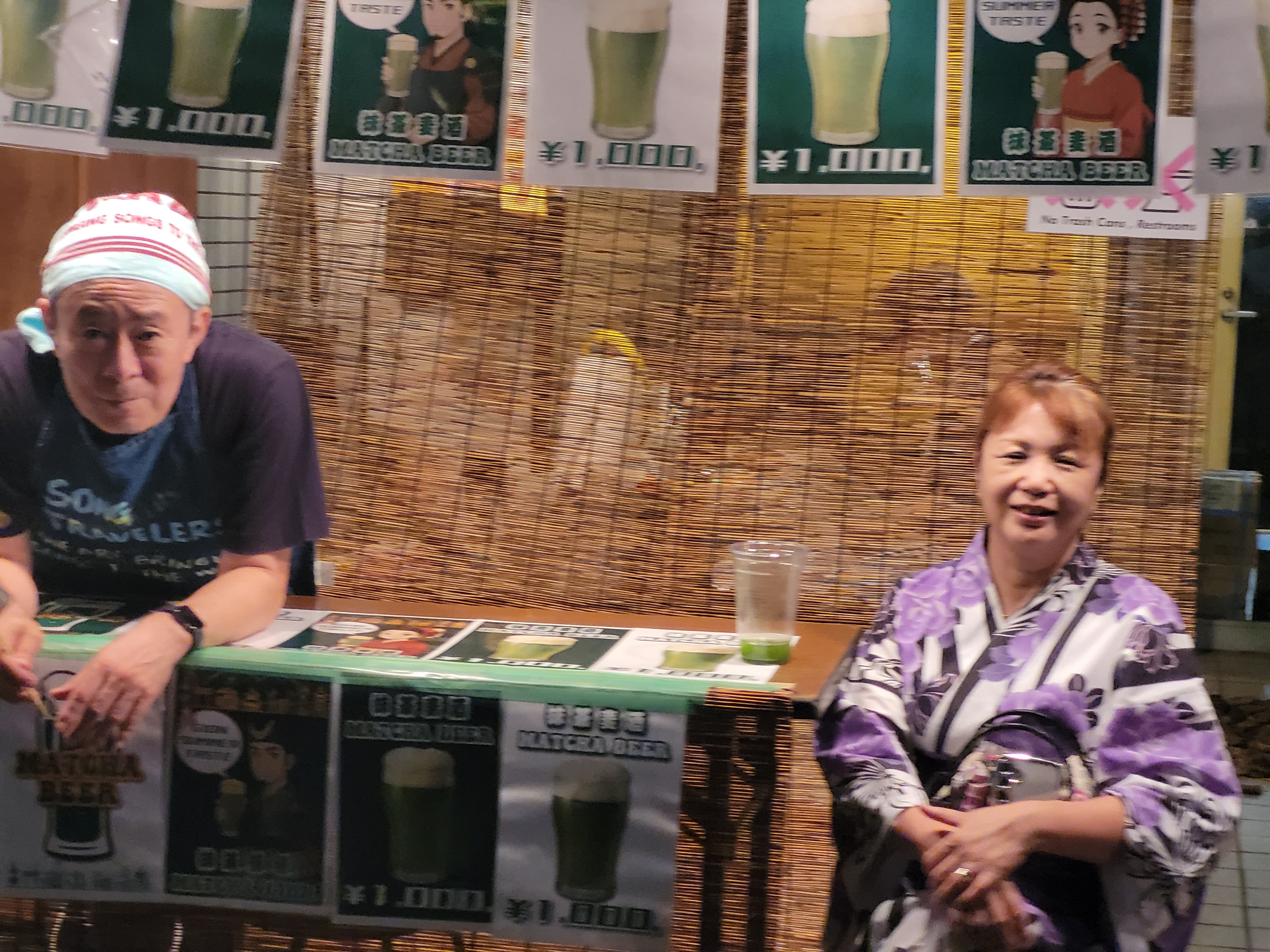
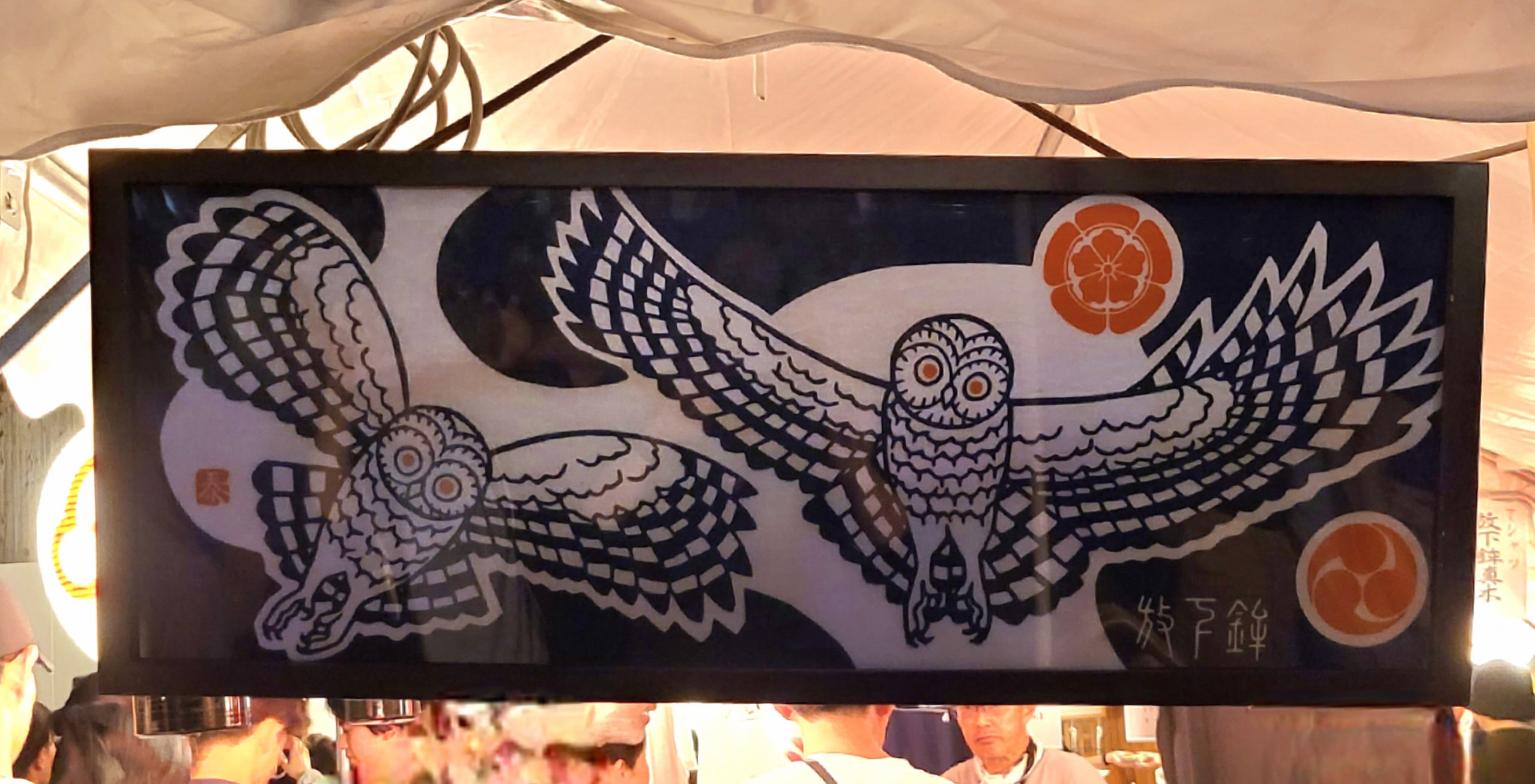
Okay, no cats yet, but that woman in the purple kimono was the coolest cucumber at the festival. Her family were busy selling a lot of matcha beer. She just sat there being very glamorous.
The giant floats are draped in lanterns and parked all over the neighborhood, with musicians packed in at the top playing drums, flutes, and bells.
I made a few short videos to share on this blog to capture the sounds and spirit of this unique street party. As an auteur director, I want my work to be highly sensory, approaching the Neo-Poetic.
Unfortunately I forgot that my main film-making mode is Neo-Erratic. Which you might notice. Cue the sound!
Chanting fills the air. People line up to pay a small fee to climb up the stairs into a float and cram in with the musicians at the top and enjoy the high view. People buy charms for their homes to ward off evil, and banners with emblems of various floats.
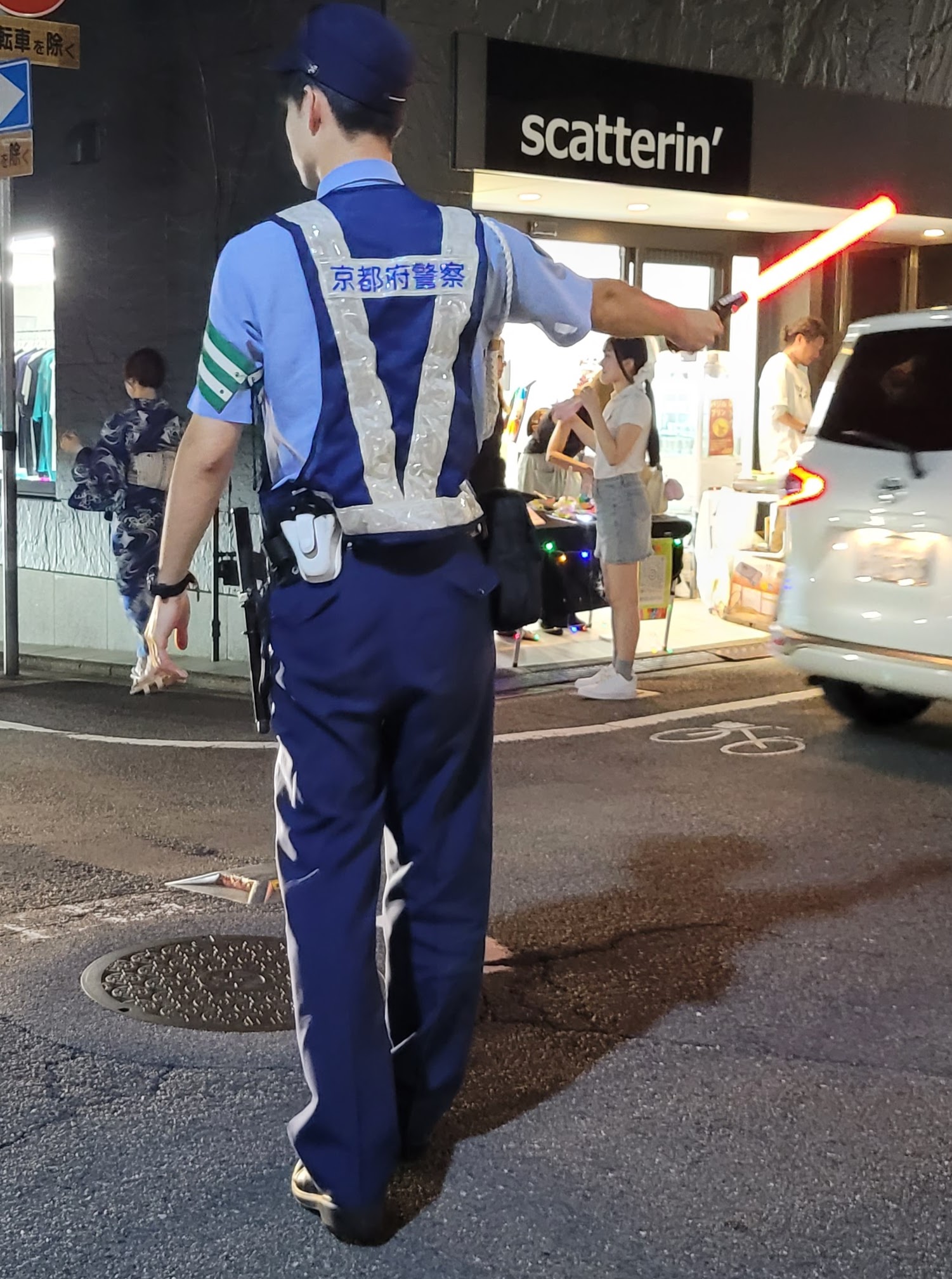
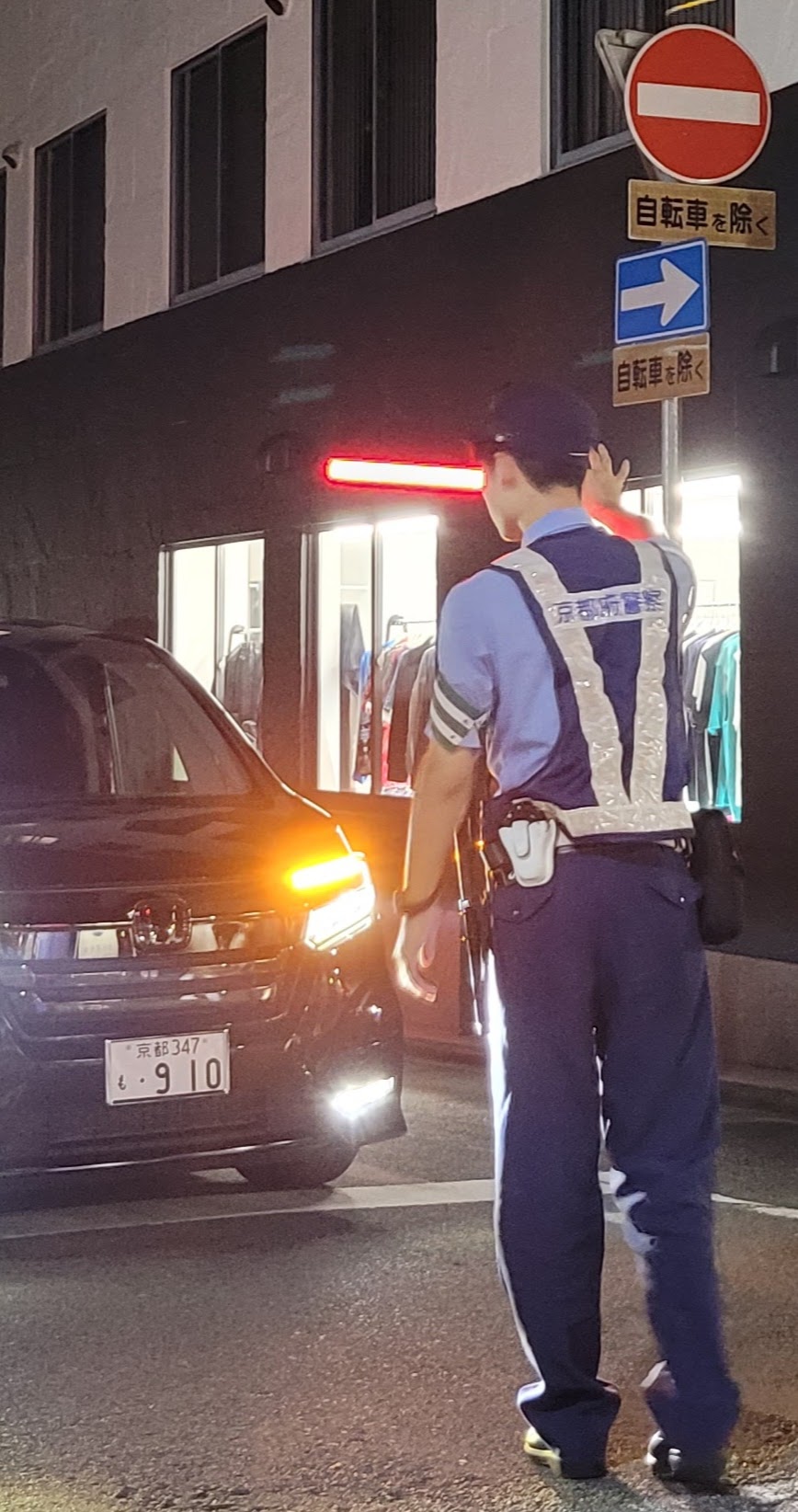
As the neighborhood filled, police and security staff stationed at each street intersection pointed cars away and people in single directions, efficiently using their lightsabers to avoid overcrowding and stampedes. It was a jolly and very safe event.

The parade two mornings later was spectacular, in the sense of being a true spectacle.
To get a massive float packed with people and riding on ancient wooden wheels around the street corners, the teams of men have to halt the float and lay strips of bamboo under the wheels for traction. Then with great optimism and greater heave-ho-ing, they pivot the float on the bamboo. It takes repeatedly shifting all the bamboo, and several laborious pivots, to corner a float.
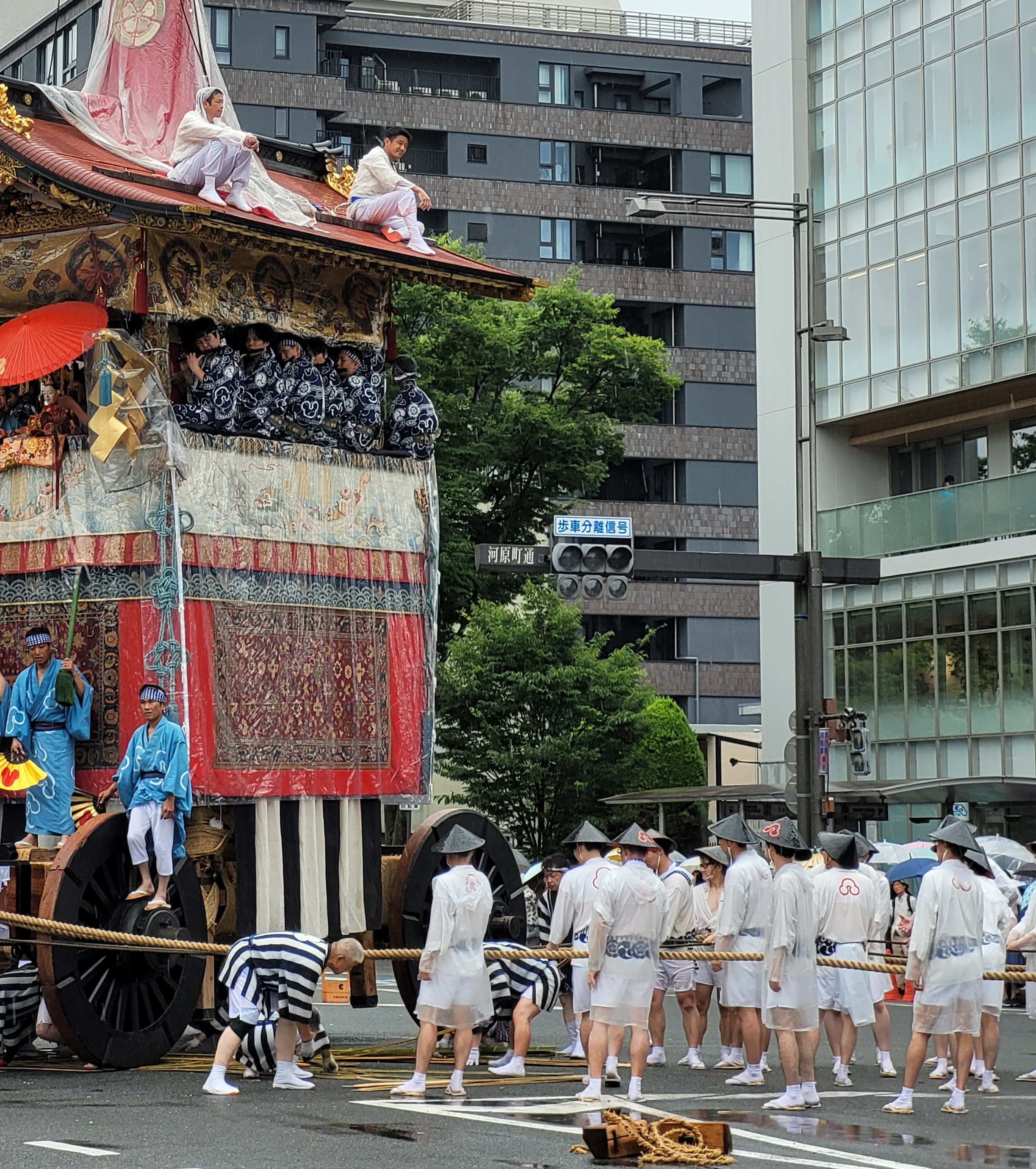
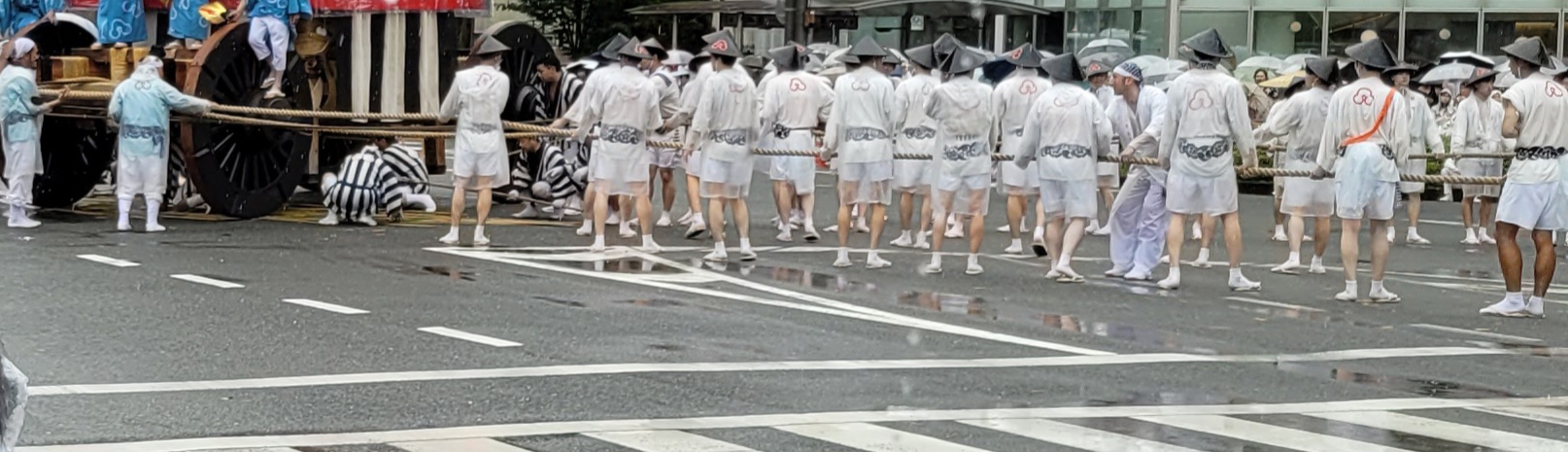
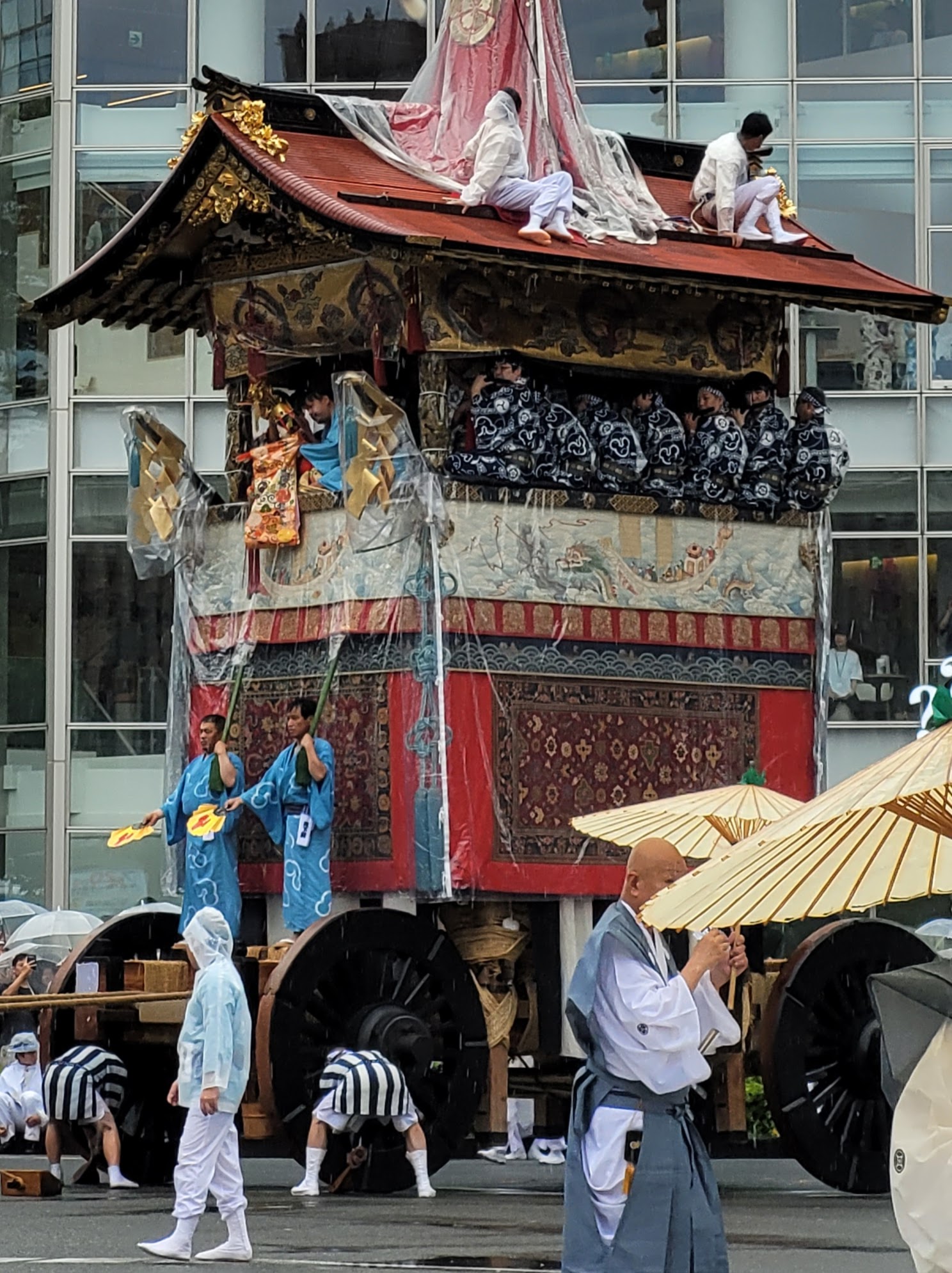
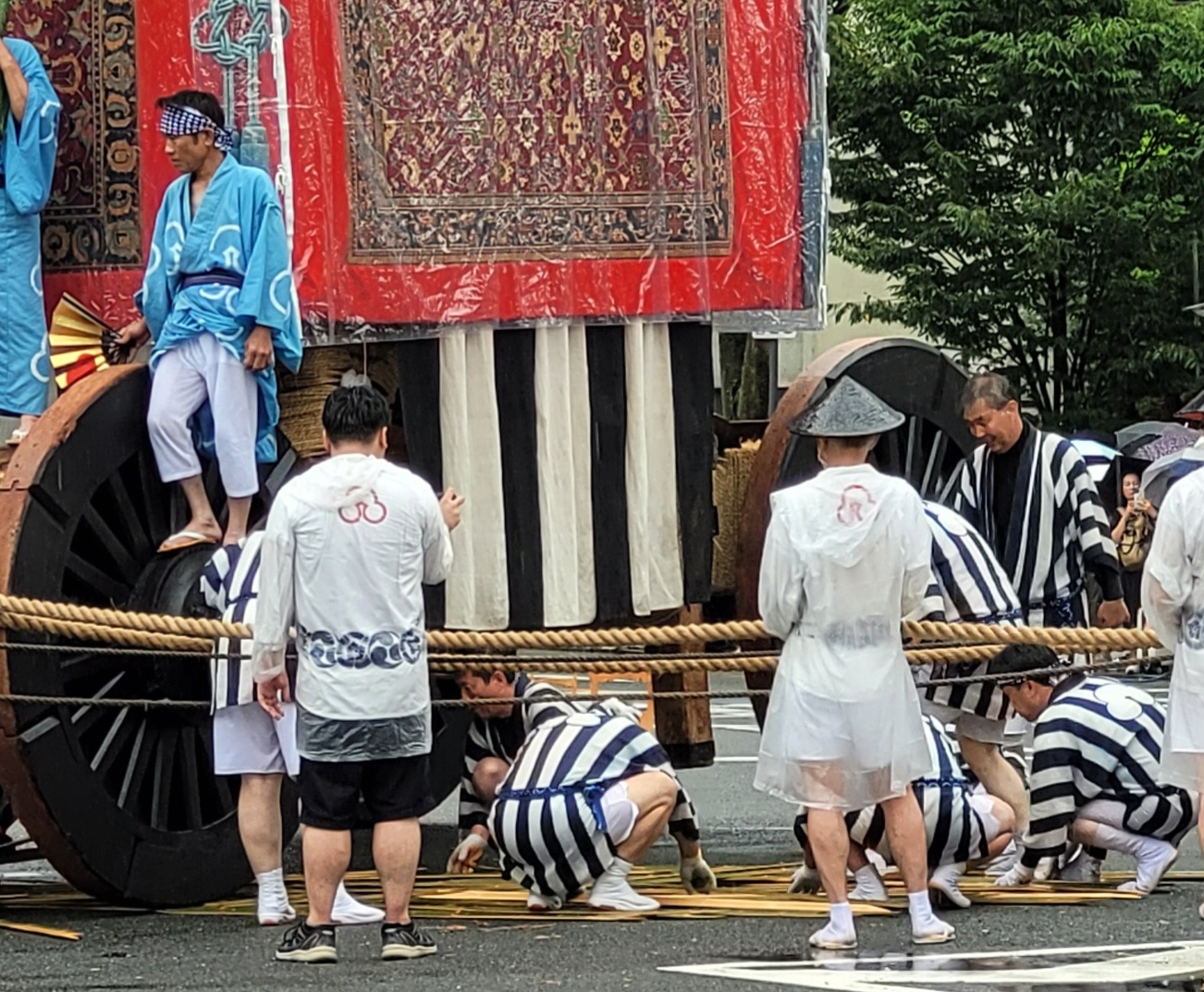
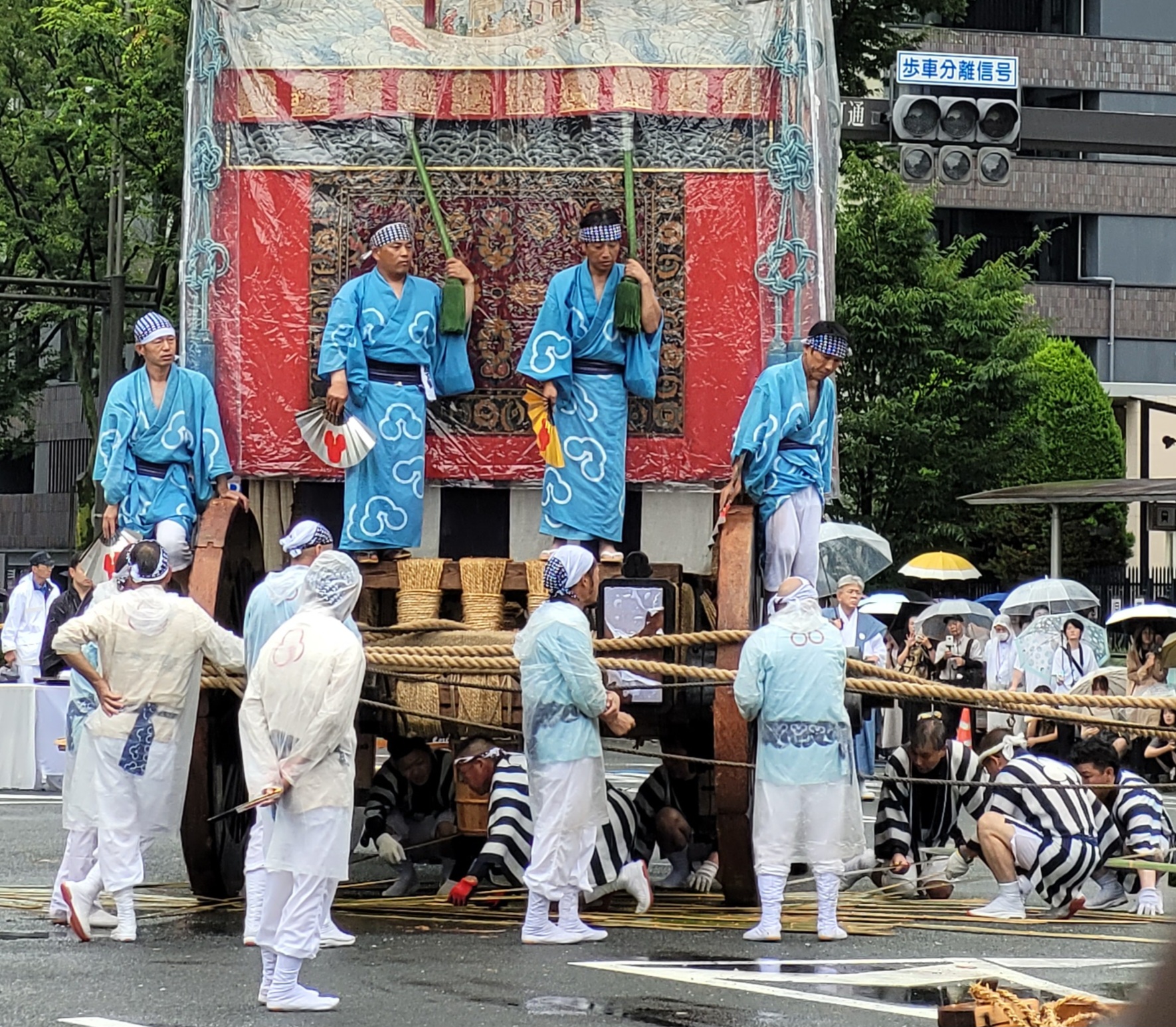
In an obvious and rather nice way, the parade is so very Japanese. It’s all about teamwork, shared effort, tradition, embodying one’s culture, an orderly display, and huge pride.
And on the subject of huge pride, we return to my triumphant sentence in Japanese!
We are back at the Yoiyoiyama Night Festival, and I’ve wandered into a lobby full of festival craft projects for kids, with a wall of large screens showing the previous years’ live tv coverage of the parade.
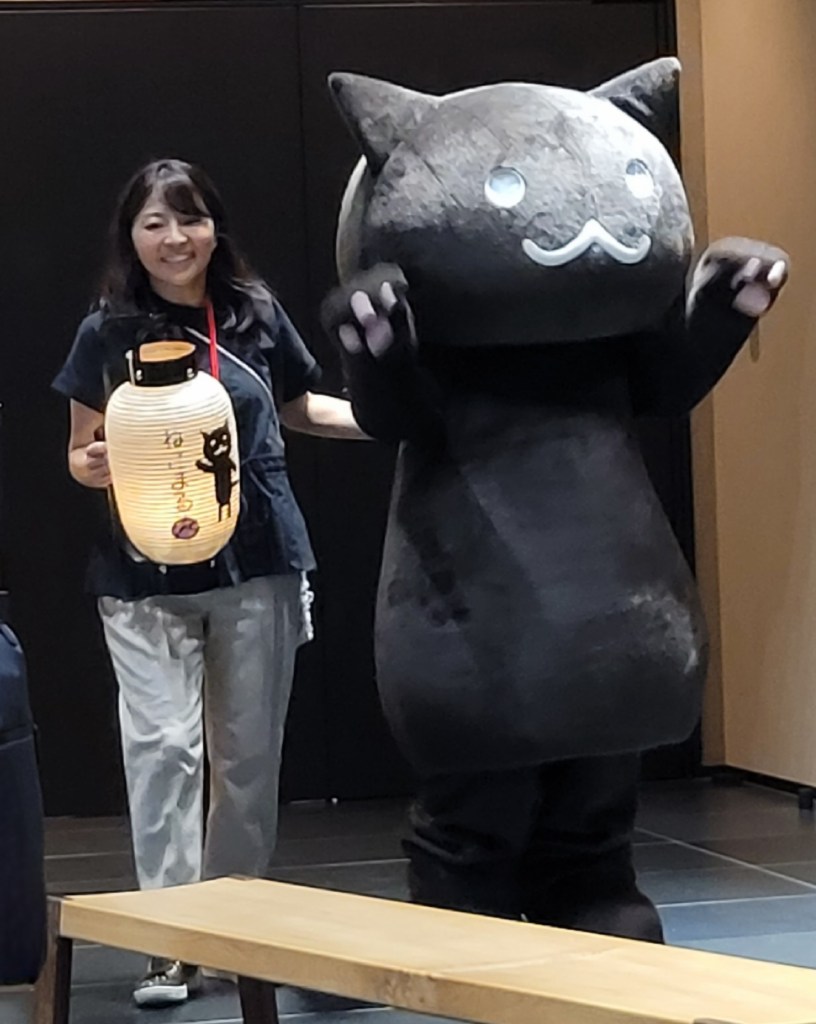
Suddenly this walks into the room, with a smiling escort. The kids go a bit crazy and soon are lining up to have pictures taken.
With whatever this thing is.
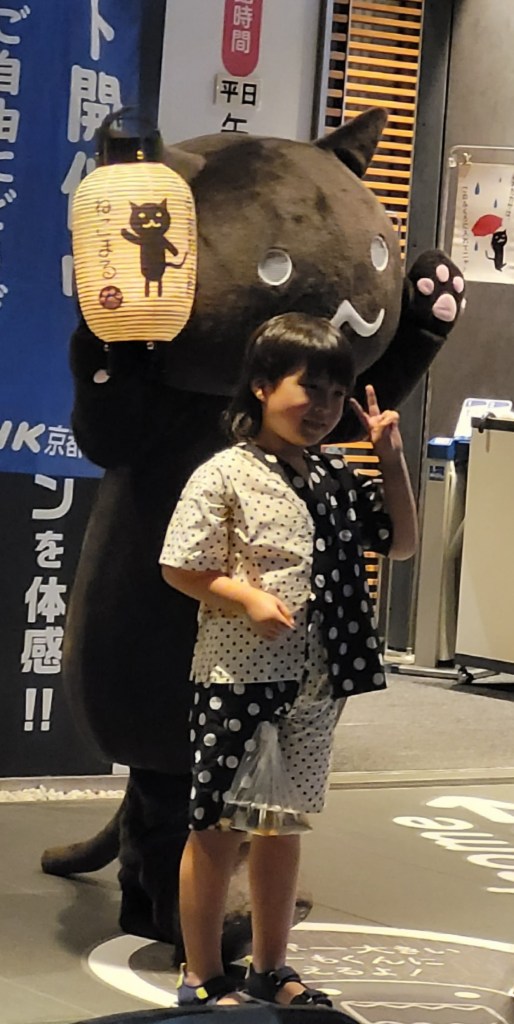
I have no idea what this thing is. The only option is to ask!
“Sumimasen, sore wa neko desu ka?” I politely asked one of the people directing foot traffic into the lobby. “Excuse me, is that a cat?”
He smiled and replied, “Hai, kore wa neko desu! Yes, this is a cat!”
Best Japanese sentence deployed and responded to! What a marvelous feeling. I got to use my sentence!
But now I need a new sentence, so after much intense contemplation, here is what I have decided to go with:
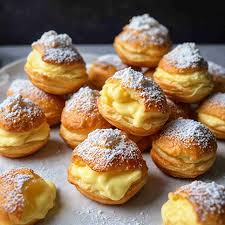
“Shuu-kuriimu o kokonotsu onegaishimasu!“
“Nine cream puffs, please!”
I will be sure to let you know how that goes.

 Where No Mangoes
Leave a comment